

APS Sponsors


Speakers
We bring together academic and industry experts and thought leaders to share their knowledge and expertise. Our speakers are carefully selected to provide attendees with the most valuable and relevant information.
Click on Speakers and Session Chairs names to read their bios:








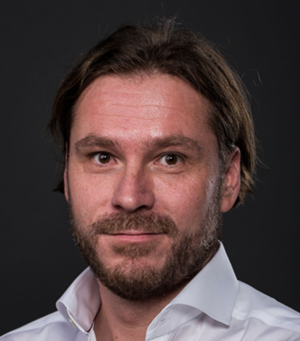





Marianne Ashford
Dr Marianne Ashford, Senior Principal Scientist, Advanced Drug Delivery, Pharmaceutical Sciences, R & D, AstraZeneca, UK
Dr Marianne Ashford is a Senior Principal Scientist in a global role in Advanced Drug Delivery Department within Pharmaceutical Sciences at AstraZeneca. Marianne is responsible for applying drug delivery approaches to enable the progression of innovative medicines and is working to enable novel targets through targeting and intracellular delivery. She has been instrumental in introducing nanomedicines the AstraZeneca portfolio. She has initiated several collaborations and the building of the internal capability in nanomedicines, drug targeting and intracellular delivery receiving several internal awards for this work.
Previously Marianne held line management roles including leading a Preformulation and Biopharmaceutics Group and project management roles leading pharmaceutical teams and influencing the global product strategy of various AstraZeneca oncology compounds.
Marianne has published over 70 peer reviewed papers and reviews, six book chapters and holds several patents. Marianne holds Honorary Professor roles at the Universities of Nottingham and Manchester. She has been awarded the Distinguished Service Award and is a Fellow of the Controlled Release Society. Marianne has served on numerous academic and industrial scientific committees and advisory boards in the field of drug delivery. She serves on the Editorial Boards of the Journal of Pharmaceutical Sciences and Journal of Controlled Release.
Marianne is passionate about using her scientific knowledge and experience to improve therapies for patients and applying drug delivery science to enable medicines of the future.
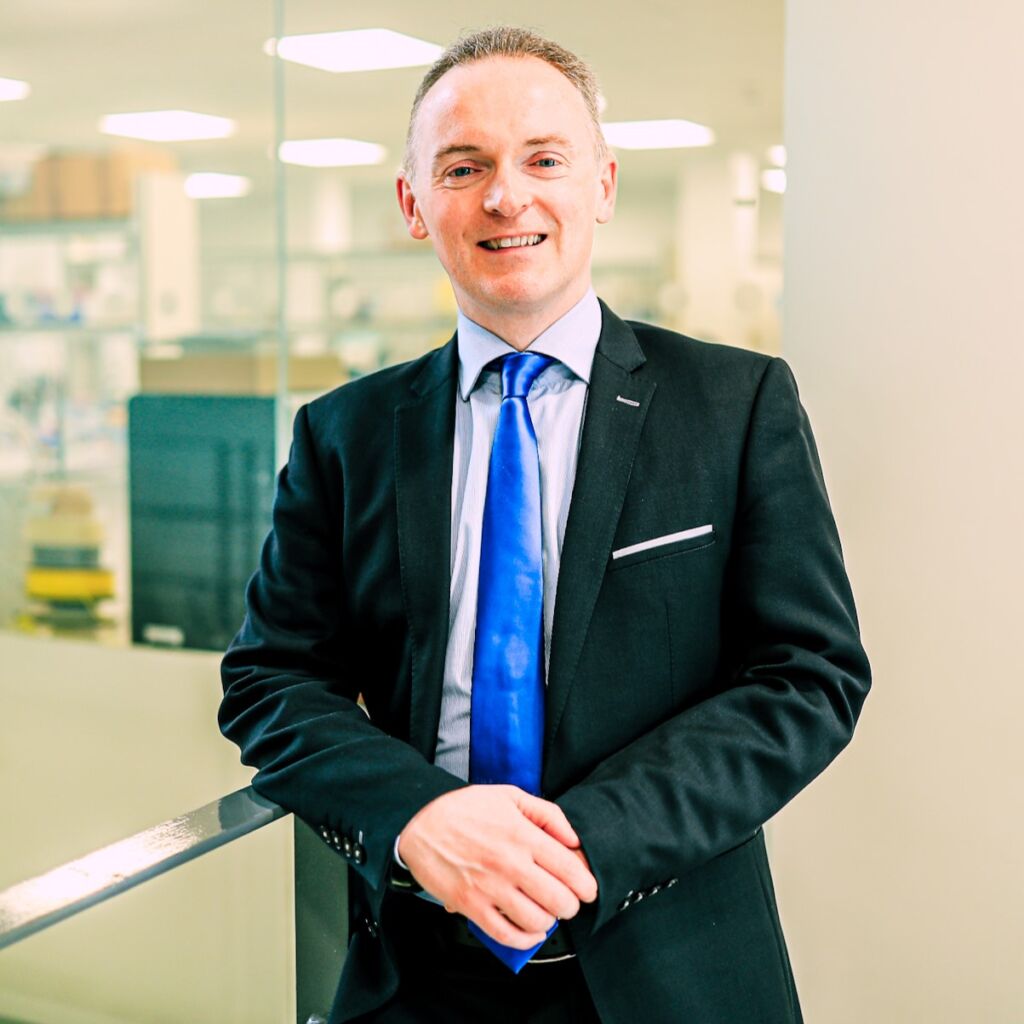
Professor Ryan Donnelly
Professor Ryan Donnelly, APS Chair and Chair in Pharmaceutical Technology, School of Pharmacy, Queen’s University Belfast, Ireland
Professor Ryan Donnelly holds the Chair in Pharmaceutical Technology at Queen’s University Belfast and is Director of QUB’s interdisciplinary research programme Materials & Advanced Technologies for Healthcare (MATCH). His personal research is centred on design and physicochemical characterisation of advanced polymeric drug delivery systems for transdermal and intradermal drug delivery, with a strong emphasis on improving patient outcomes. He is currently developing a range of novel microneedle technologies through independent research, but also in collaboration with several major pharma partners.
He has obtained substantial UK Research Council, charity and industrial funding and authored over 300 peer-reviewed publications (H-index = 58), including 6 patent applications, 6 textbooks, 23 book chapters and approximately 250 full papers. He has been an invited speaker at numerous national and international conferences. Professor Donnelly is Europe/Africa Editor of Drug Delivery & Translational Research and the Controlled Release Society’s Communications Chair. He has won the Academy of Pharmaceutical Science’s Innovative Science Award (2020), Evonik’s Resomer Award (2018), the Controlled Release Society’s Young Investigator Award (2016), BBSRC Innovator of the Year and the American Association of Pharmaceutical Scientists Pharmaceutical Research Meritorious Manuscript Award (2013), the GSK Emerging Scientist Award (2012) and the Royal Pharmaceutical Society’s Science Award (2011).
Ryan is the current chair of the Academy of Pharmaceutical Sciences in the UK.
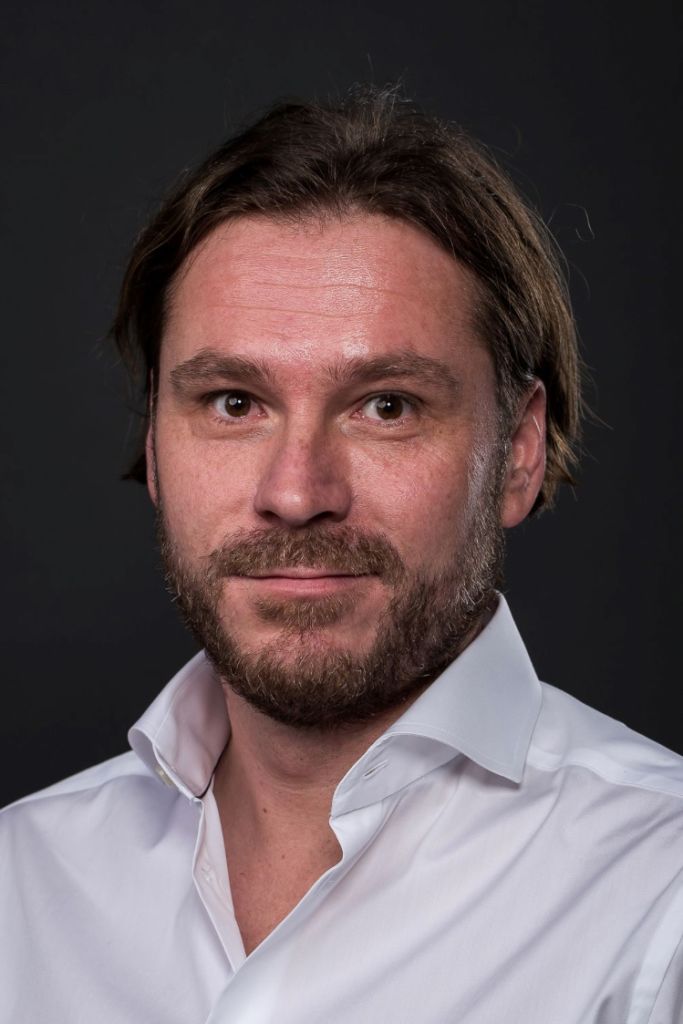
Professor Twan Lammers
Professor Twan Lammers, PhD, DSc, Department of Nanomedicine and Theranostics, Institute for Experimental Molecular Imaging, Center for Biohybrid Medical Systems, RWTH Aachen University Clinic, Germany
Twan Lammers obtained a D.Sc. in Radiation Oncology from Heidelberg University in 2008 and a Ph.D. in Pharmaceutical Technology from Utrecht University in 2009. In the same year, he started the Nanomedicine and Theranostics group at RWTH Aachen University. In 2014, he was promoted to full professor of medicine at RWTH Aachen University Clinic. His group aims to individualize and improve disease treatment by combining drug targeting with imaging. To this end, image-guided (theranostic) drug delivery systems are being developed, as well as materials and methods to monitor tumor growth, angiogenesis, inflammation, fibrosis and metastasis. He has received multiple scholarships and awards, including ERC starting, consolidator and proof-of-concept grants, the CRS Young Investigator Award, the Adritelf International Award, the Belgian Society for Pharmaceutical Sciences International Award, and the JNB Trailblazer Award. He served as president of the Controlled Release Society (2023-2024) and has been a council member of the European Society for Molecular Imaging from 2014 onwards. He is a member of the editorial board of 10 journals, and acts as associate editor for JCR, DDTR and MIB. Since 2019, he is included in the Clarivate Analytics list of Highly Cited Researchers.
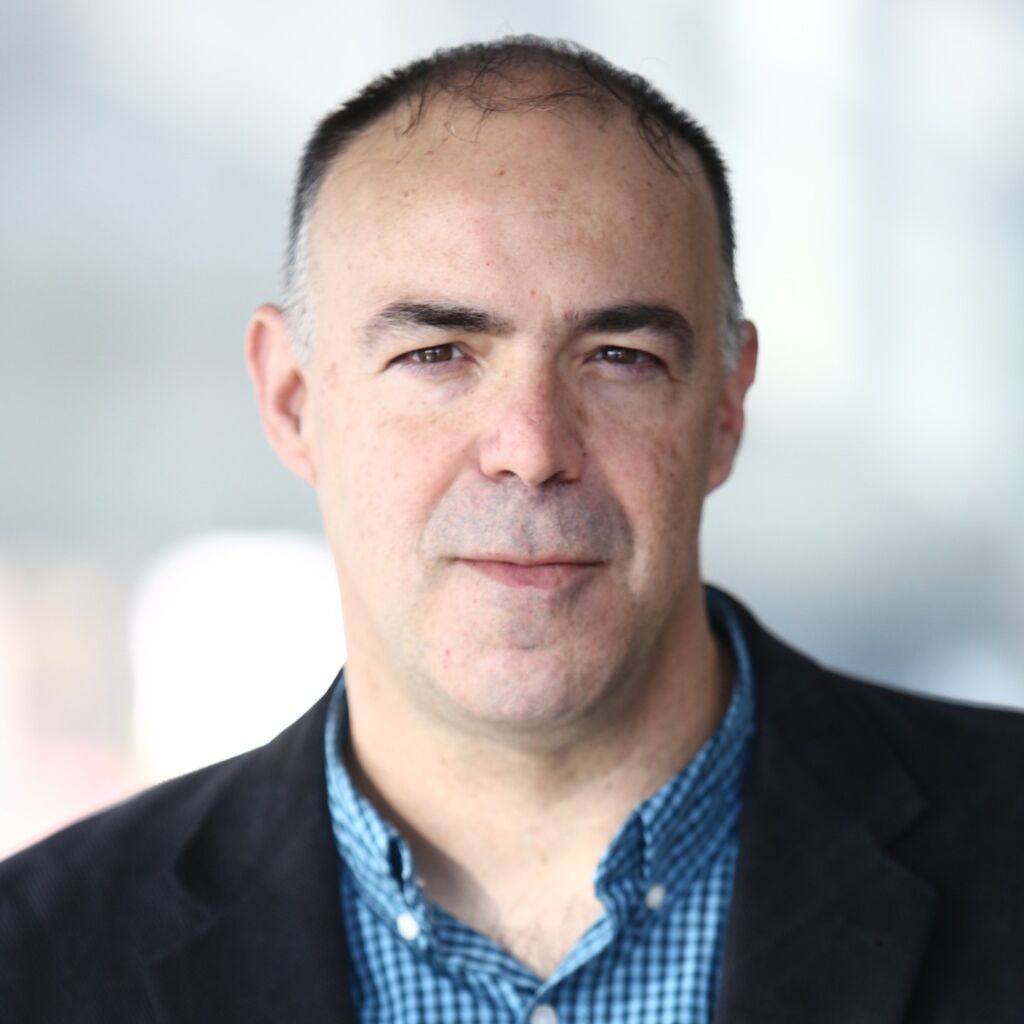
Professor Dan Peer
Professor Dan Peer, Director, Laboratory of Precision NanoMedicines, Tel Aviv University, Israel
Dan Peer is a Professor and the Director of the Laboratory of Precision NanoMedicine at Tel Aviv University (TAU). He is also the Vice President for Research and Development in Tel Aviv University, the biggest university in Israel. From 2017, he is the Founding and Managing Director of the SPARK program, Center for Translational Medicine at TAU.
Professor Peer’s work was among the first to demonstrate systemic delivery of RNA molecules using targeted nanocarriers to the immune system and he pioneered the use of RNA interference (RNAi) as drug discovery tools in immune cells. In addition, his lab was the first to show systemic, cell specific delivery of modified mRNA in animals. This strategy has enormous implications in cancer, inflammation, and infectious diseases. His lab developed one of the largest lipid library with unique properties and strategies to immobilized natural ligands and antibodies on the surface of lipid nanoparticles (LNPs) for cell specific delivery of RNA payloads.
His lab was also the first to show systemic, high efficiency, cell specific, therapeutic genome editing in cancer. Recently, his lab also showed the first bacterial mRNA vaccine that opened new potential field of increasing the arsenal of vaccines against antibiotic resistance strains.
Prof. Peer has more than 140 pending and granted patents. Some of them have been licensed to several pharmaceutical companies and his innovations have now been tested in more than 6 different clinical trials. In addition, based on his lab work, four spin-off companies were generated aiming to bring innovative personalized medicine into clinical practice. Prof. Peer was the President of the Israeli Chapter of the CRS from 2014-2016. He is a scientific advisory board member in more than 15 companies and on the scientific advisory board of more than 20 journals. In 2014, he was elected to the Israel Young Academy. In 2023, he was elected to the US National Academy of Engineering.
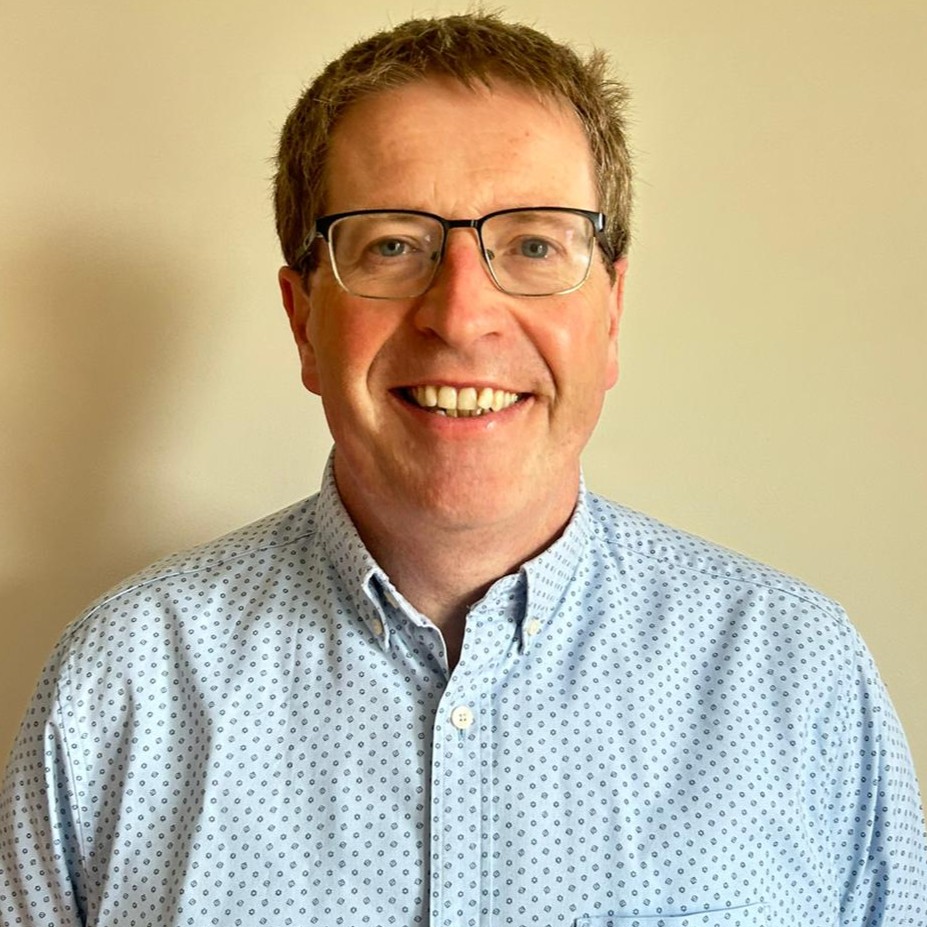
Professor Chris Scott
Professor Chris Scott, Chair of Pharmaceutical Biosciences, Dean of Research, Faculty of Medicine, Health and Life Sciences, Queen’s University Belfast, Ireland
Professor Chris Scott has 30 years experience in drug discovery and development in both academia and industry. Following helping launch and develop start-up company Fusion Antibodies which is now AIM listed, Chris established his group in the School of Pharmacy at Queen’s in 2003. He then became Director of the Patrick G Johnston Centre for Cancer Research in 2018 and is now Dean of Research for the Faculty of Medicine, Health and Life Sciences. His group focuses on the development of new experimental therapeutic approaches and has successfully out-licenced antibodies and nanomedicines for the treatment and diagnosis of cancer and inflammatory disorders. A complex nanomedicine developed in his lab led to the development the US based company Aviceda Therapeutics, of which Chris is a scientific co-founder. Chris was also awarded a Royal Society Industrial Fellowship with GSK in 2012 and is a past member of the MRC DPFS panel, current member of the EPSRC Healthcare Technologies Scientific Advisory Team and Trustee of the British Society of Nanomedicine. In 2024, Scott led a team that secured £55M investment for the Future Medicines Institute through UKRI Strength in Places as a hub for translational development and LHS sector cluster growth in NI.
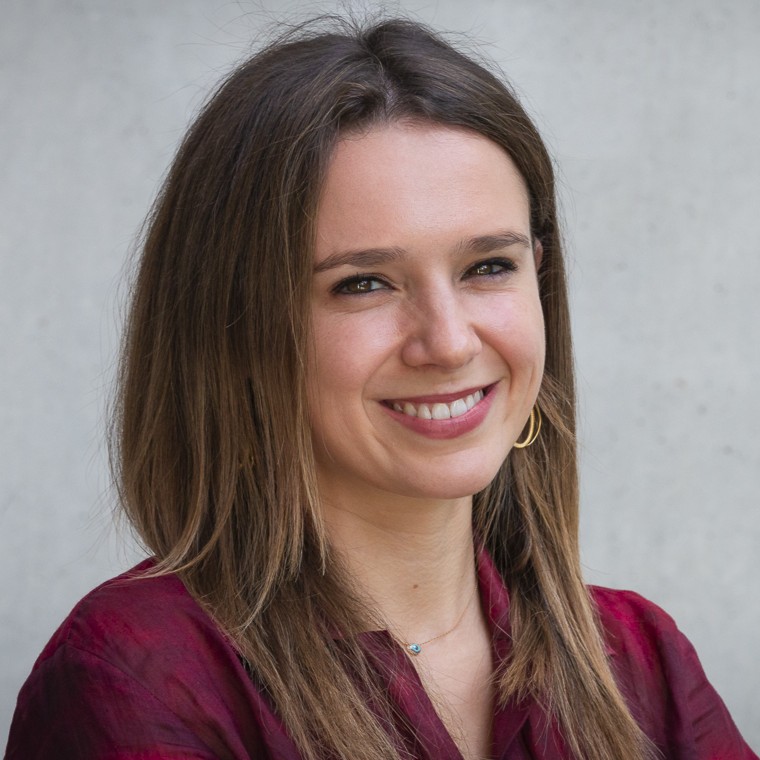
Dr Flávia Sousa
Dr Flávia Sousa, Assistant Professor at Groningen Research Institute of Pharmacy, University of Groningen, Netherlands
Dr Flávia Sousa is an Assistant Professor at the Groningen Research Institute of Pharmacy, University of Groningen, Netherlands. A pharmacist by training, she earned her Ph.D. in Biomedical Sciences from the University of Porto and completed postdoctoral research at the Imperial College London (UK), Istituto Italiano di Tecnologia (Italy), and Adolphe Merkle Institute (Switzerland). Dr Sousa is at the forefront of developing innovative biological nanotherapies for brain cancer treatment. Her pioneering research was focused on encapsulating anti-angiogenic monoclonal antibodies to enhance their efficacy in treating glioblastoma by normalizing tumor vasculature and the tumor microenvironment. Currently, she is advancing the development of a cancer nanovaccine for glioblastoma using state-of-the-art nanotechnology. Dr Sousa has secured prestigious grants, including the Fulbright Program, MSCA COFUND, and WINS, and was named an MIT Innovator Under 35 and a Female Science Talent in 2023. She has authored over 40 publications and received 16 international awards.
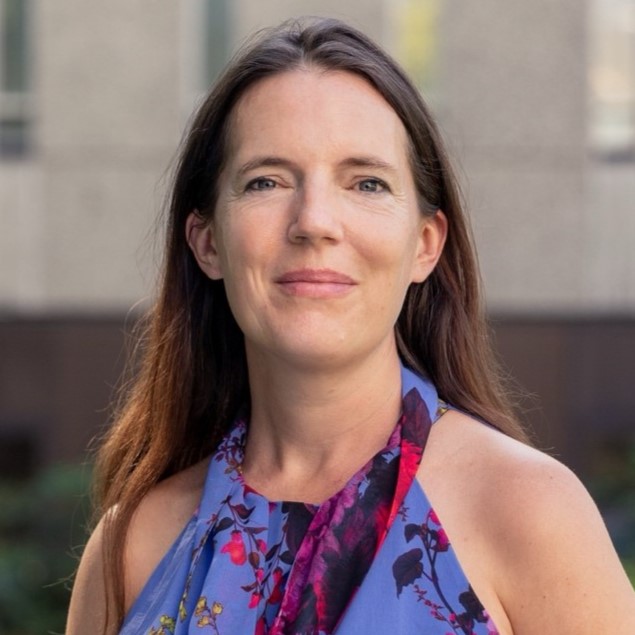
Professor Dame Molly Stevens
Professor Dame Molly Stevens DBE FRS FREng, John Black Professor of Bionanoscience, University of Oxford and a part-time Professor, Imperial College London and the Karolinska Institute, UK
Professor Dame Molly Stevens is the John Black Professor of Bionanoscience at the University of Oxford and a part-time professor at Imperial College London and the Karolinska Institute. Molly’s multidisciplinary research balances the investigation of fundamental science with the development of technology to address some of the major healthcare challenges. She is a serial entrepreneur and the founder of several companies in the diagnostics, advanced therapeutics, and regenerative medicine fields. Her work has been instrumental in elucidating bio-material interfaces. She has created a broad portfolio of designer biomaterials for applications in disease diagnostics and regenerative medicine. Her substantial body of work influences research groups around the world and she has been multiple times listed as Clarivate Analytics Highly Cited Researcher in Cross-Field research.
Molly holds numerous leadership positions, Deputy Director of the Kavli Institute for Nanoscience Discovery, Deputy Director of the UK Quantum Biomedical Sensing Research Hub, and Scientist Trustee of the National Gallery. She is a Fellow of the Royal Society and the Royal Academy of Engineering (UK), a Foreign Member of the National Academy of Engineering (USA), an International Honorary Member of the American Academy of Arts and Sciences, and she was recognised with the 2023 Novo Nordisk Prize and the 2024 Royal Society Armourers and Brasiers Company Prize, amongst many other accolades.
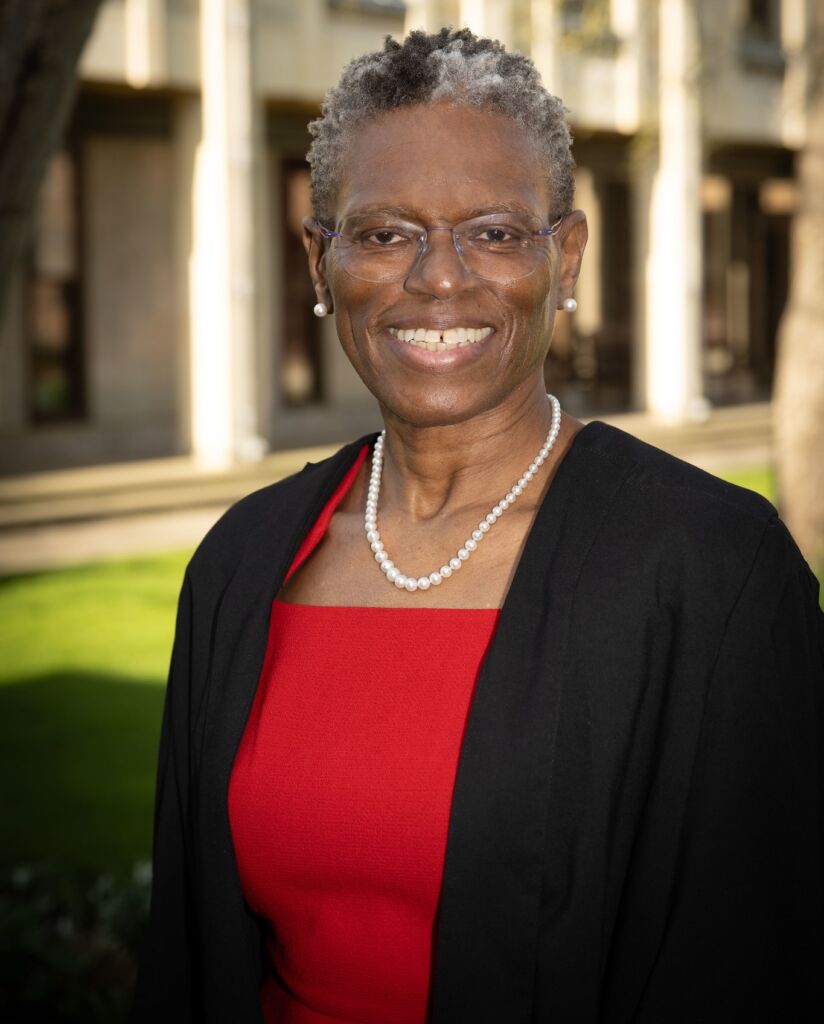
Professor Dame Ijeoma Uchegbu
Professor Dame Ijeoma Uchegbu DBE FMedSci HonFRSC, President, Wolfson College, University of Cambridge, UK
Professor Dame Ijeoma Uchegbu, DBE, FMedSci is President of Wolfson College, University of Cambridge, UCL’s Professor of Pharmaceutical Nanoscience, a fellow of the Academy of Medical Sciences, an honorary fellow of the Royal Society of Chemistry, a governor on the Wellcome board (one of the largest biomedical sciences research charities in the world), a member of the Academy of Medical Sciences Council and the Biotechnology and Biological Sciences Council, as well as Chief Scientific Officer of Nanomerics Ltd, a company she co-founded.
Uchegbu is an inventor. Her company, Nanomerics Ltd. is a clinical stage biotech company, developing medicines that address sight threatening illnesses. Nanomerics has also out licensed medicines developed in her laboratory to a US pharmaceutical company. Technologies developed in Uchegbu’s laboratory have won prizes from the Royal Society of Chemistry and the Royal Pharmaceutical Society. Nanomerics Ltd. won the King’s Award for Enterprise 2024 in the Innovation category. The King’s Award for Enterprise is the most UK’s most prestigious business award.
Uchegbu’s work has been featured in BBC Radio 4 programmes such as Desert Island Discs and The Life Scientific as well as in The Guardian and The Daily Telegraph.
Uchegbu has served as Chair of the Academy of Pharmaceutical Sciences, Scientific Secretary of the Controlled Release Society and she is the immediate past UCL Provost’s Envoy for Race Equality, a role in which she led on race equality work at UCL. Her work led to the removal of the names of prominent eugenicists from all of UCL’s buildings in 2020. Uchegbu has also presented to the UK House of Commons on the educational racial disparities that lead to a lack of ethnic minority representation in scientific research.
Uchegbu’s popular science book– Chain Reaction – will be published by Hodder and Stoughton.
Uchegbu is listed in Bloomsbury Publishing’s Who’s Who.
Uchegbu was made Dame Commander of the British Empire (DBE) in the King’s New Years Honours 2025.

Rand Abdulhussain
Rand Abdulhussain, PhD Researcher, Department of Pharmacy, University of Huddersfield, UK
Rand Abdulhussain is a PhD researcher in Pharmaceutics at the University of Huddersfield, where she explores advanced drug-delivery technologies. She holds a Master’s degree in Pharmaceutical Science and has worked as a Quality Analyst. Alongside her research, Rand lectures part-time at Study Group and is an Associate Fellow of the Higher Education Academy. Her current work focuses on developing innovative methods to enhance the effectiveness of drug delivery.

Dr Kofi Asare-Addo
Dr Kofi Asare-Addo, Reader in Pharmaceutics, Admissions Tutor for Pharmacy (MPharm), University of Huddersfield, UK
Kofi became a Fellow of the Higher Education Academy in 2014. His research area includes UV Imaging in pharmaceuticals, particle engineering, drug-clay complexations for oral controlled release formulation applications and solubility enhancements (solid dispersions, salts and cocrystals). His work has been presented both nationally and internationally at various pharmaceutical science conferences. Kofi successfully collaborates with other universities and several pharmaceutical industries.

Promise Adekola
Promise Ayomide Adekola, PhD Researcher, Department of Pharmacy, University of Huddersfield, UK
Promise Ayomide Adekola is a PhD Researcher in Pharmaceutics at the University of Huddersfield, UK. Her research focuses on innovative drug delivery systems, particularly using lipid nanoparticles. She holds a Doctor of Pharmacy (PharmD) degree from Cyprus International University and a dual Master of Pharmacy degree from the University of Rome Tor Vergata, Italy, and Cyprus International University. Her current work explores advanced strategies to enhance the effectiveness and precision of drug delivery.

Hadassah Anyanwu
Hadassah Anyanwu, University of Greenwich, UK
Hadassah Anyanwu is a recent BSc (Hons) Pharmaceutical Sciences graduate from the University of Greenwich. She is the Co-founder of Pharmaceutical Science society at Greenwich, and served as an academic student representative, and student peer mentor during her studies at University of Greenwich. She is currently a member of the APS New scientists focus group and Co-leader of the Student Association of Academy of Pharmaceutical Sciences (SAPS).

Shifaa Alabrash
Shifaa Alabrash, University of Surrey, UK
I am a pharmacist and currently a PhD student in Pharmaceutical Science at University of Surrey. My research centres around improving pharmaceutical drugs solubility and stability using Co-amorphous system methodology. I hold an MSc in Pharmaceutical Quality by Design (QbD) from De Montfort University in Leicester, UK.

Dr Mohamed Alhnan
Dr Mohamed Alhnan, Reader in Innovative Pharmaceutics at the Institute of Pharmaceutical Science (IPS), King’s College London (KCL), UK
Mohamed A. Alhnan is a Reader in Innovative Pharmaceutics at the Institute of Pharmaceutical Science (IPS), King’s College London (KCL). His research focuses on applying the latest advances in material science and electronics in the pharmaceutical field. His fundamental research led to several world firsts; first example of using pharmaceutical grade polymers in fused deposition modelling (FDM) 3D printing (3DP) , first 3D printed tablets to meet the US and British Pharmacopoeias for delayed release products, and first examples of 3DP of liquid-filled capsules. He introduced and patented the innovative concept of tablets of complex architecture as a solution for fast disintegration and dissolution (WO2017072536A1) and invented a novel approach for polymer extrusion under low temperature (WO2016038356A1). Dr Alhnan (h-index 34) has published >55 peer-reviewed articles, 25 of which focus on manufacturing dosage forms using innovative technologies and generated over £2.5M from research council grants (EPSRC), Innovate UK and industrial collaborations.

Hamad Ali
Hamad Ali, School of Pharmaceutical Education and Research, Jamia Hamdard, New Delhi, India
Hamad Ali completed his Bachelor of Pharmacy (B.Pharm) from BS Anangpuria Institute of Pharmacy, Haryana, affiliated with Pandit Bhagwat Dayal Sharma University of Health Sciences, in 2022, where he developed a strong foundation in pharmaceutical sciences. He then pursued his Master of Pharmacy (M.Pharm) at Jamia Hamdard University, New Delhi, specialising in Pharmacology, and graduated in 2024 with a GPA of 3.75. His master’s research focused on developing a synergy-based nephroprotective formulation using traditional Unani medicine with in-vitro and in-vivo evaluation approaches. Currently, he is engaged in advancing his expertise through research, publications, and training in drug delivery, nanotechnology, natural products and pharmacological evaluation, while also holding an Advanced Drug Diploma in Regulatory Affairs to strengthen his understanding of pharmaceutical regulations and translational research applications.

Dr Manal Alkahtani
Dr Manal Alkahtani, Assistant Professor of Pharmaceutics, Department of Pharmaceutics, UCL School of Pharmacy, UCL, UK
Department of Pharmaceutics, College of Pharmacy, PSAU, Saudi Arabia
Dr Manal Alkahtani is an Assistant Professor of Pharmaceutics at Prince Sattam bin Abdulaziz University (PSAU), Saudi Arabia. She holds a PhD in Pharmaceutics from University College London (UCL), where her research focused on smart drug delivery systems and sustainable pharmaceutical manufacturing. Her work integrates 3D printing, electro-responsive materials, and advanced formulation techniques to develop patient-personalized therapies.
Dr Alkahtani is an Associate Fellow of the Higher Education Academy (AFHEA) and an Associate Member of the Royal Society of Chemistry (AMRSC). She has published in high-impact journals and presented at international conferences, and is actively involved in interdisciplinary collaborations in the UK and Saudi Arabia. Her academic interests span innovative drug delivery, advanced manufacturing, and pharmaceutical education.

Lutfi M. Alzuraiqi
Lutfi M. Alzuraiqi, PhD Student, School of Pharmacy, Queen’s University Belfast, Northern Ireland, UK
Lutfi M. Alzuraiqi is a PhD student at the School of Pharmacy, Queen’s University Belfast, Northern Ireland, United Kingdom. His research focuses on transdermal drug delivery systems, specifically hydrogel-forming microneedles, and their impact on the gut microbiome. His work explores innovative approaches to antibiotic delivery, aiming to reduce systemic side effects and antimicrobial resistance.

Omid Arjmandi-Tash
Omid Arjmandi-Tash, Principal Scientist, Pfizer, UK
Omid is an accomplished scientist with a specialisation in drug product design, manufacturing processes, and drug delivery. His expertise lies in the intricate field of integrated mechanistic and multi-scale end-to-end modeling and simulation, spanning from manufacturing processes (e.g. process modeling) to drug product performance (e.g. PBBM/PBPK). Currently, Omid serves as a Principal Scientist at Pfizer, where he leverages in vitro and in silico biopharmaceutics tools to assess the performance of oral and non-oral drug products across early and late-stage development. Prior to this role, he was a Senior Research Scientist at Certara’s Simcyp Division, where he led the development of mechanistic models for complex non-oral drug products, including long-acting injectables. Omid holds a PhD in Chemical Engineering, during which he developed mechanistic models focused on wetting, spreading, and the interaction of liquids with various solid and porous surfaces. He has authored over 30 peer-reviewed publications in the fields of colloid and interface science, particulate processes, and biopharmaceutic
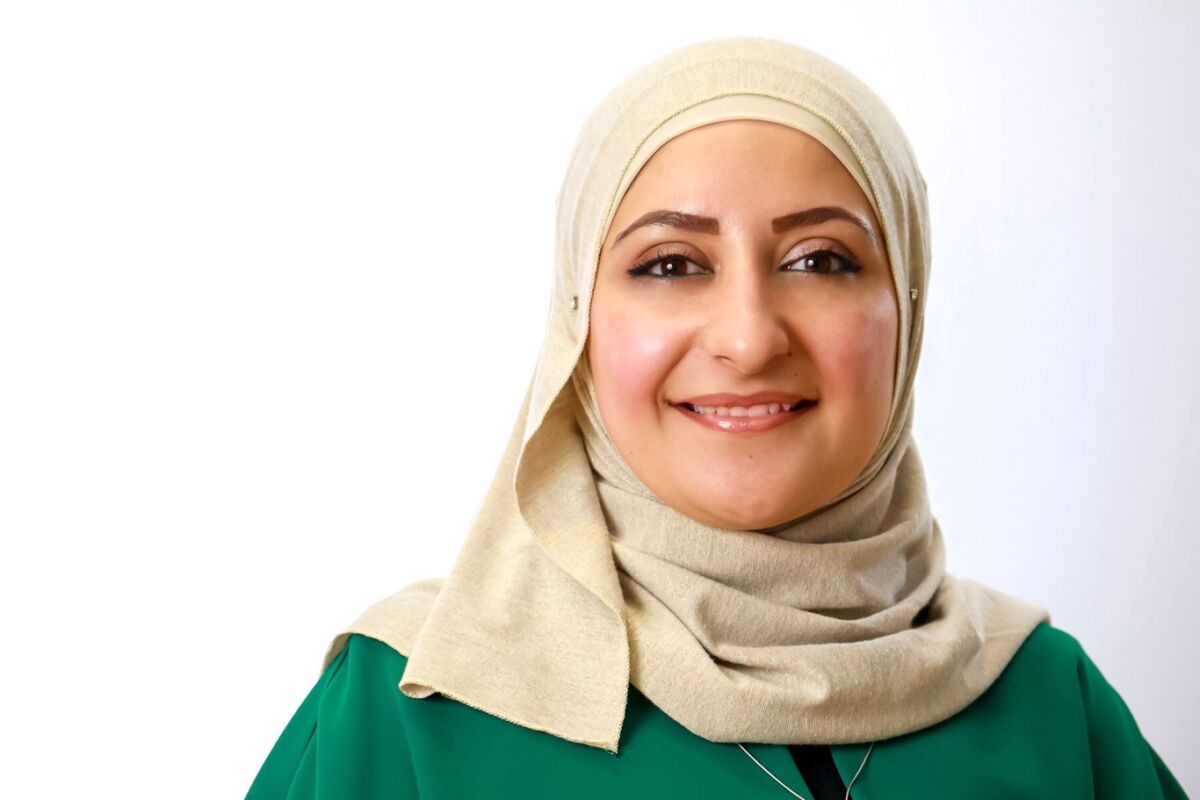
Dr Mohamed Alhnan
Dr Atheer Awad, Lecturer in Pharmaceutics, University of Hertfordshire UK
Dr Atheer Awad is a Lecturer in Pharmaceutics at the University of Hertfordshire and leader in pharmaceutical 3D printing. She is also the co-director of the Pharmaceutical 3D Printing Initiative (Pharma3DPI) and the Chair of the Academy of Pharmaceutical science’s Emerging Technologies focus group. Dr Awad’s research harnesses her expertise in 3D printing, digital health technologies, and site-specific drug delivery towards application in personalised and transformative medicines. Atheer received multiple awards and honours, including Clarivate’s Highly Cited Researcher, Forbes 30 Under 30, International Pharmaceutical Federation’s FIPWiSE Rising Star, and MIT Technology Reviews’s Innovator Under 35.

Dr Suky Bhamra
Dr Suky Bhamra, Senior Lecturer in Pharmacy Clinical and Professional Practice, Medway School of Pharmacy, University of Kent, UK
Dr Suky Bhamra is a Senior Lecturer in Pharmacy Practice at the Medway School of Pharmacy, University of Kent. She specialises in teaching clinical decision making and dermatology. Her research focuses on ethnopharmacology and the use of natural products in integrative healthcare . Current research projects include nutrition education in community pharmacy, healthcare professionals’ knowledge of herbal medicines, the use of adaptogens in stress and sleep.
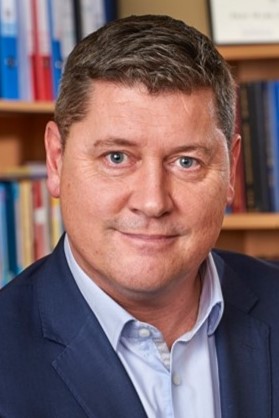
Professor James Birchall
Professor James Birchall PhD FHEA, Professor of Pharmaceutical Sciences and Deputy Head of School, School of Pharmacy and Pharmaceutical Sciences, Cardiff University, Wales, UK
Professor Birchall graduated from Bath University in 1993 and completed his PhD researching drug and DNA delivery systems in 1998 (Cardiff University). Current research is focused on microneedle delivery of molecules, macromolecules, vaccines, auto-antigens and cells into skin and also includes pulmonary drug delivery formulations and devices. Professor Birchall has acted as an expert advisor to the WHO and the British Pharmacopoeia and conducted multi-disciplinary research funded by the Bill & Melinda Gates Foundation, EU, DFID, NIH, Wellcome Trust, EPSRC, MRC, Welsh Government, Royal Society, Innovate UK and various charities and pharmaceutical companies.
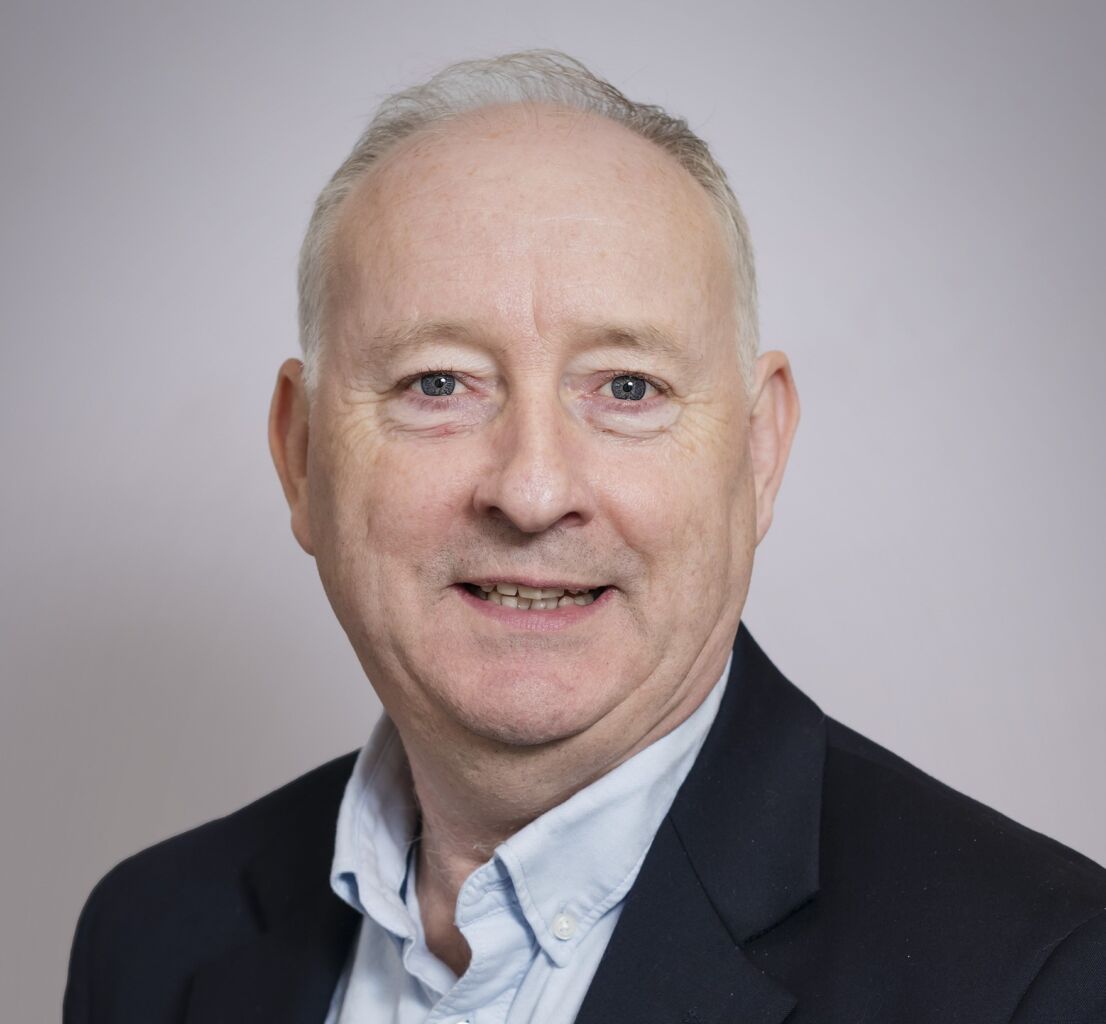
David J. Brayden
PhD, FAAPS, MRIA
David Brayden, Ph.D., FAAPS, MRIA, Professor of Advanced Drug Delivery, Veterinary Sciences Centre, University College Dublin, Ireland
David Brayden is a Full Professor of Advanced Drug Delivery at the School of Veterinary Medicine, University College Dublin (UCD) and a Senior Fellow of the UCD Conway Institute of Biotechnology in Ireland. David is a pharmacologist who obtained his PhD from the University of Cambridge, (UK) followed by a postdoctoral fellowship at Stanford University, CA, USA. He then spent 10 years as a senior scientist at Elan Pharmaceuticals from 1991-2001 working on oral drug delivery. He is the author or co-author of more than 300 research publications and patents in the areas of epithelial ion transport, oral peptide delivery, and nanomedicine. David was elected as a Fellow of the Controlled Release Society (CRS, 2012), the American Association of Pharmaceutical Scientists (AAPS, 2017) and the Royal Irish Academy (2024). He was the Director of a Science Foundation Ireland (SFI) Research Cluster grant (The Irish Drug Delivery Research Network) from 2007-2013. He was the Deputy Coordinator of an EU 7th Framework grant on oral nanomedicines (www.TRANS-INT.eu), 2012-2017. In 2014, he became a co-lead PI on the SFI Centre for Medical Devices (CURAM) (2014-2026). He is also the current coordinator of BUCCAL-PEP, an EU Horizon Europe grant on buccal administration of peptides, (2023-2026). He was Chairman of the UK-Ireland Chapter of the Controlled Release Society (2003-2006), served on the CRS Board of Scientific Advisors (2006-2009) and the CRS Annual Meeting Programme Committees (2015, 2016). In 2021 David was appointed Chief Editor of “Frontiers in Drug Delivery”. Also in 2021, he was appointed by Ireland’s Minister of Health to the National Research Ethics Committee (Clinical Trials) and was re-appointed as a chairperson in 2024. He consults for Biotech and Pharma working on oral peptide delivery and is a member of the Science Advisory Boards of several companies.
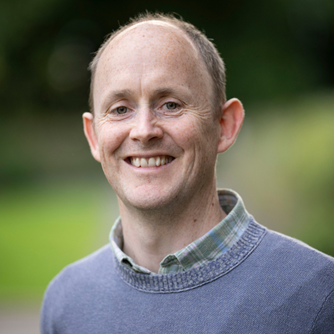
Professor Robert Carlisle
Professor Robert Carlisle, Professor in Biomedical Engineering, Institute of Biomedical Engineering, Department of Engineering Science, University of Oxford
Robert Carlisle is a Professor in Biomedical Engineering. After completing a BSc in Biochemistry, an MSc in Toxicology and a Ph.D in Gene Delivery at Birmingham University, he worked for 8 years within the Department of Clinical Pharmacology and the Department of Oncology at the University of Oxford. In 2012 he became a member of the Engineering Science Faculty.
The majority of Bob’s work has been concerned with achieving systemic delivery of anti-cancer agents for the treatment of metastatic cancer. This has included the development and testing of novel nano-scale non-viral and viral gene delivery systems and liposomal agents for the delivery of conventional chemotherapeutics.
Research within his labs covers the full scope of therapeutic design, formulation and testing with emphasis on how the specificity and efficacy of therapy can be improved. Clinical and commercial translation is a focus and Bob is a co-founder of OxSonics Ltd and a Co-PI on clinical trials, most recently the CEeDD Phase I trial of technology developed in the lab for the treatment of metastatic colorectal cancer in the liver.
He is the Director of the MSc in Nanotechnology for Medicine and Healthcare and the Oxford Director of the Centre for Doctoral Training in Engineering Biology.

Charlotte Cartwright
Charlotte Cartwright, Senior Compaction Scientist, Merlin Powder Characterisation, UK
Charlotte Cartwright has been with Merlin Powder Characterisation for 9 years, starting as an apprentice with the company in 2016. She started her studies at Halesowen College before progressing onto the University of Wolverhampton finishing with First class honours in BSc Chemistry and Laboratory Scientist Level 6 as part of the apprenticeship scheme. Now, becoming Senior Compaction Scientist, her job involves characterising powders and formulations for a wide variety of pharmaceutical clients using a Compaction Simulator. She supports research projects with academia and industry partners showcasing the value of using small scale predictive tests, such as compaction simulation, to aid formulation development. She is a part of the Academy of Pharmaceutical Science Process Engineering and Formulation focus group and SCI’s Formulation Forum interest group. She is keen to support people in the understanding of tableting while expanding her knowledge within the pharmaceutical industry and learning how the application of techniques can be applied to other industries.
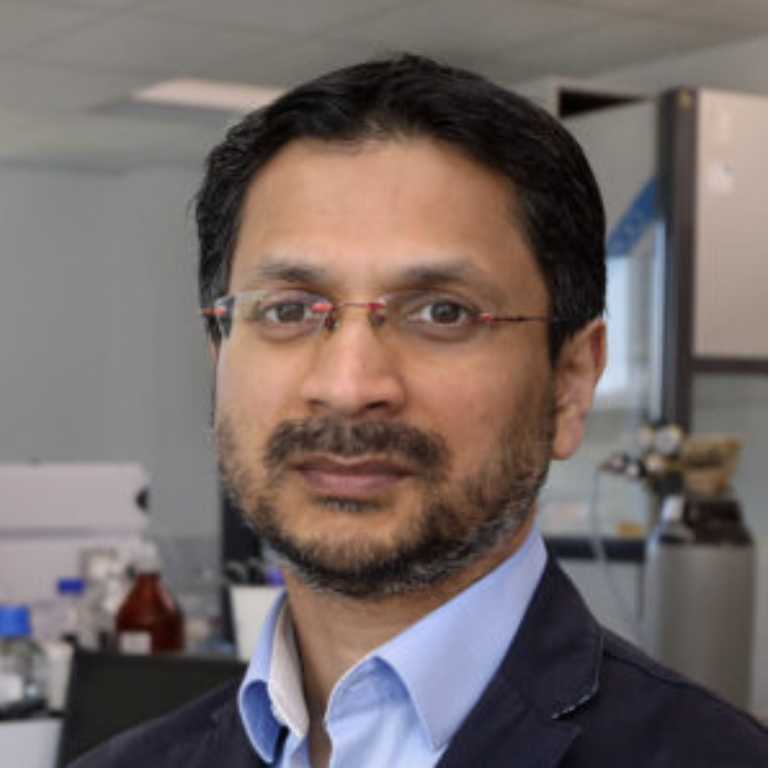
Dr Faz Chowdhury
Dr Faz Chowdhury, CEO, Landmark Vaccines Limited, Loughborough, UK
Dr Faz Chowdhury is a seasoned Scientist in the pharmaceutical and medical device sectors, with over 20 years of experience in developing transdermal and microneedle-based systems for drug delivery and diagnostic applications. As the former CEO of Nemaura Medical Inc., he oversaw the development of cutting-edge non-invasive health monitoring technologies. Dr Chowdhury holds a Doctorate from the University of Oxford in nano-medicine and drug delivery and a Masters in Microsystems and Nanotechnology from Cranfield University, UK. With more than 100 patents granted or pending, and as a contributor to key publications in nano-biosciences, he has made significant contributions to advancing drug delivery and diagnostic technologies.
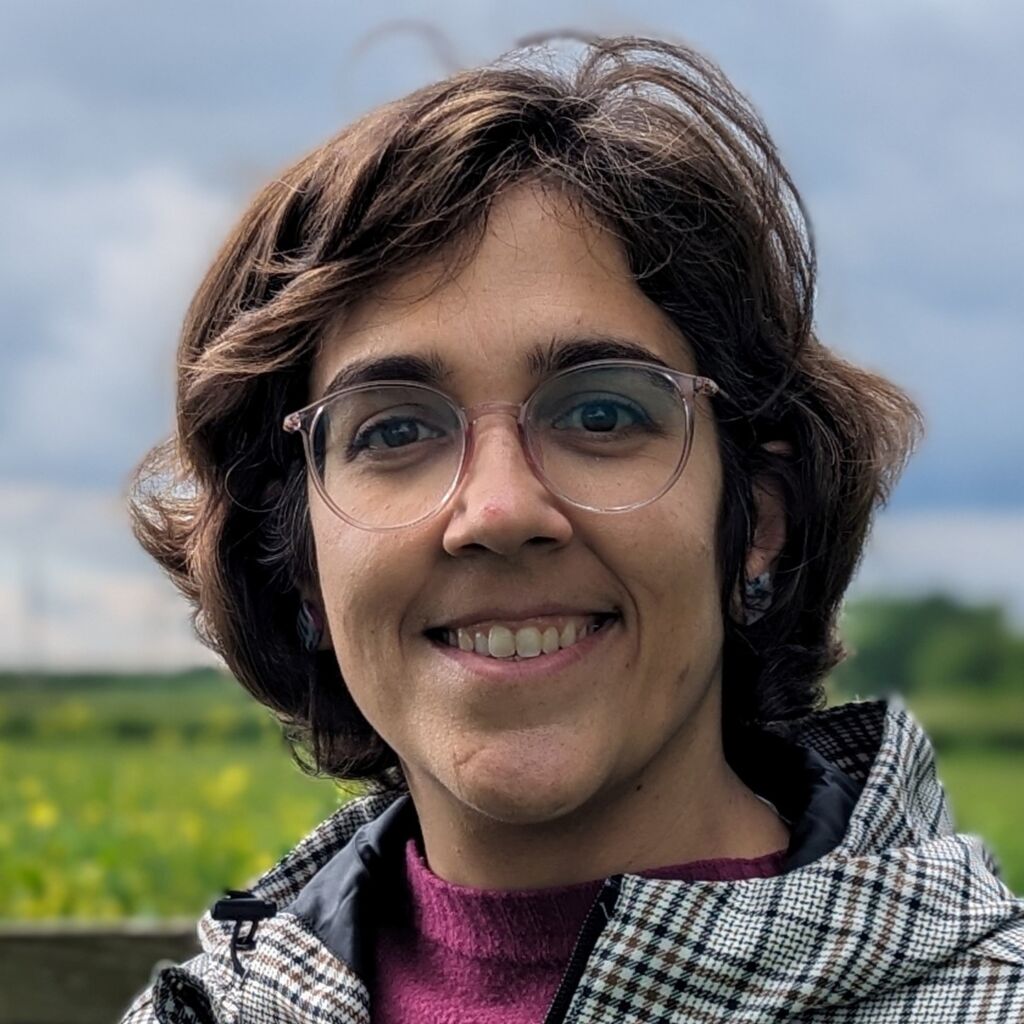
Dr Sara Cordeiro
Dr Sara Cordeiro, Senior Lecturer in Pharmaceutics, MPharm Director, Strathclyde Institute of Pharmacy & Biomedical Sciences, University of Strathclyde, UK
Sara Cordeiro is a Senior Lecturer in Pharmaceutics, MPharm Director, Strathclyde Institute of Pharmacy & Biomedical Sciences, University of Strathclyde, UK. Following a PharmD from the University of Porto (Portugal) and a PhD in Drug Research and Development from the University of Santiago de Compostela (Spain), she worked as a Postdoctoral Research Fellow at Queen’s University Belfast (Belfast, UK). Throughout these years, Sara has developed a background in pharmaceutical formulation, drug delivery, nanomedicine, vaccine delivery and microneedles for transdermal drug delivery and diagnostics. Currently, she is establishing her independent research group with a focus on improving and facilitating patients’ lives through the development of drug and vaccine delivery systems that are easy to manufacture and scale-up, highly efficient and administered through non-invasive routes.

Dr Dierdre D’Arcy
Dr Dierdre D’Arcy, Associate Professor in Pharmaceutics and Pharmaceutical Technology, School of Pharmacy and Pharmaceutical Sciences, Trinity College Dublin
Dr Deirdre D’Arcy qualified as a pharmacist in 1999. After initial training as a clinical pharmacist, she commenced research in pharmaceutical technology, in the area of computational hydrodynamic simulations and dissolution testing.
Deirdre is currently Associate Professor in Pharmaceutics and Pharmaceutical Technology in the School of Pharmacy and Pharmaceutical Sciences (SOPPS), Trinity College Dublin (TCD), Ireland, and SOPPS Director of Undergraduate Teaching and Learning.
Her current dissolution/biopharmaceutics research focuses on characterising dissolution through modelling, simulation (including AI/ML applications) and image analysis, to support variability/uncertainty reduction and clinically relevant physiologically based- biopharmaceutics (PBBM) model development. Other research and pedagogical interests include clinical pharmacokinetics and related medicines optimisation in special populations, authentic assessment methods and scaffolding learners’ critical use of generative AI in biopharmaceutics teaching and learning
She has co-authored more than 80 peer-reviewed presentations and publications, was PI in two clinical trials and is currently supported by SSPC, The Science Foundation Ireland Research Centre for Pharmaceuticals and Panoz Pharmaceutical Innovation PhD Scholarships.

Shane Cullen
Shane Cullen, PhD, Veranova, UK
Shane Cullen is a scientist at Veranova (Cambridge) working as part of the Pharmorphix® team. He has wide ranging solid form expertise spanning polymorphism, salt, cocrystal and amorphous solid dispersion screening through to crystallization development and kilo lab manufacture. Before joining Pharmorphix, he completed his PhD at Queen’s University Belfast, working on process development for the manufacture of lipid nanoparticles.
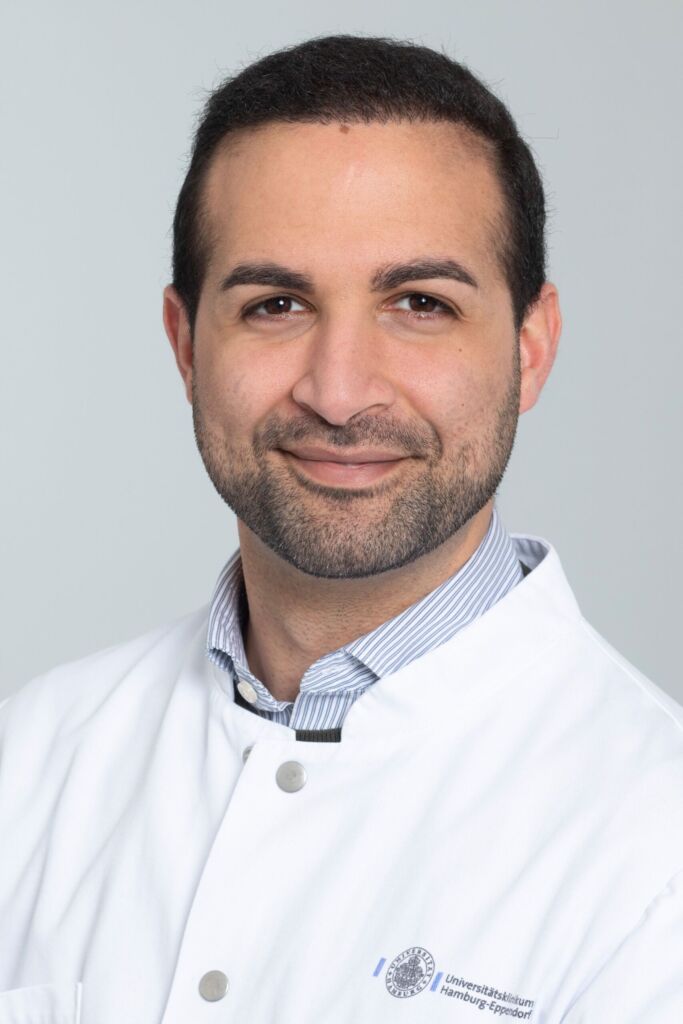
Dr Adrin Dadkhah
Dr Adrin Dadkhah, Hospital Pharmacy and Department of Stem Cell Transplantation, University Medical Centre Hamburg-Eppendorf, Germany
Dr Adrin Dadkhah is Head of Research & Development of the Hospital Pharmacy and Clinical Pharmacist in the Department of Stem Cell Transplantation, University Medical Centre Hamburg-Eppendorf.
After graduation at the Faculty of Pharmacy in Erlangen-Nuremberg in 2017, Dr Adrin Dadkhah started his residency at the University Medical Centre Hamburg-Eppendorf, where he obtained his PhD in pharmacometrics in 2022 and completed the specialization in Clinical Pharmacy in 2023. His research focuses on a holistic approach towards dose individualization through both model-informed precision dosing and pharmaceutical 3D-printing of solid oral dosage forms.
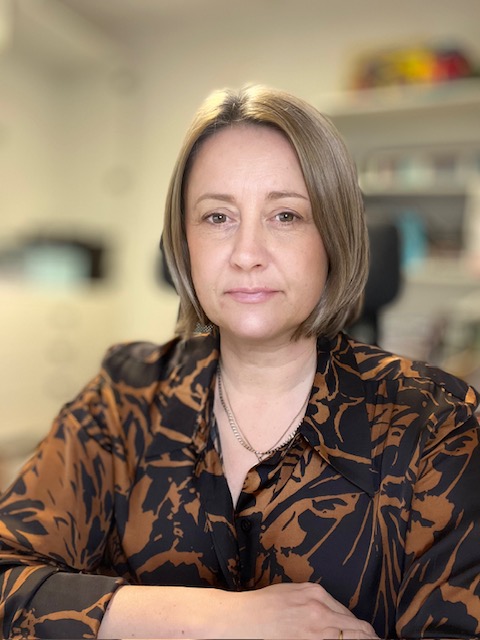
Dr Sarah David
Dr Sarah David, Scientific Advisor, Pharmaceutical Development, Novartis, Basel
Dr Sarah David is a distinguished expert in pharmaceutical sciences, with a specialization in drug delivery and pharmaceutics. She earned her BSc Hons. in Pharmacy from Aston University in 1999, followed by pre-registration training accredited by the Royal Pharmaceutical Society of Great Britain. She furthered her academic pursuits with a PhD in Drug Delivery and Pharmaceutics from Aston University, focusing on enhancing the solubility and dissolution of poorly soluble drugs through salt formation.
Dr David’s professional journey began at GlaxoSmithKline, where she honed her skills in formulation development and led significant projects, including the paediatric development of an existing HIV medicine. In 2013, she joined Novartis, where she assumed leadership roles in drug product development, managing cross-functional teams and driving innovation in the field.
Her contributions extend beyond her immediate professional environment. Since 2012, Dr David has been an active member of the Academy of Pharmaceutical Sciences Great Britain Focus Group: Process Engineering and Formulation. She has also served as an invited speaker at notable conferences such as DDF Berlin, EuPFi, and Making Pharmaceuticals.
With a robust foundation in both pharmaceutical practice and academia, Dr Sarah David continues to advance the science and education of drug delivery systems. Her dedication to innovation and excellence has solidified her reputation as a prominent figure in the pharmaceutical sciences community.
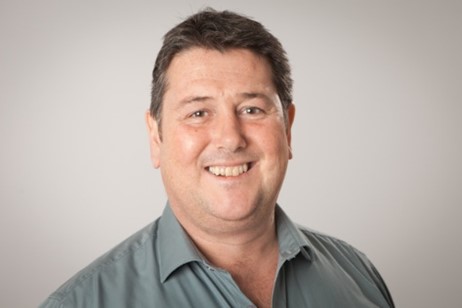
Dr Nigel Davies
Dr Nigel Davies, (BPharm, MRPHarmS, PhD), Senior Principal Scientist in Advanced Drug Delivery, Pharmaceutical Sciences, R&D, AstraZeneca, Sweden
On joining AstraZeneca in 2008, Nigel had “CMC” responsibilities for a number of projects spanning Phase 1 to life-cycle management, having particular involvement in bioequivalence/biowaiver strategies and regulatory submissions for several now approved products including Vimovo, Nexium OTC, Kombi/Komboglyze, Forxiga, Xigduo/Xigduo XR and QTERN..
Since transitioning to the Advanced Drug Delivery group in the Innovative Medicine Early Development function in 2014, Nigel has pioneered AstraZeneca’s efforts into the delivery of mRNA therapeutics as well as oral delivery of macromolecules resulting in a number of assets progressing from early pre-clinical evaluation to clinical testing.
Before joining AstraZeneca, Nigel had almost 20 years tenure in academia at Universities in New Zealand and Australia leading research groups focusing on developing novel delivery systems for macromolecules. Over the years in academia, Nigel secured >US$2.5 million in competitive research grants (as principle or co-investigator), supervised (to completion) 19 post-graduate students and authored/co-authored 2 book chapters and >70 peer-reviewed journal articles.
Nigel strives to combine his research and drug development experience to identify and develop novel systems and strategies (both internal and via external collaborations) to overcome the challenges associated with the delivery of macromolecules in order to advance AstraZeneca’s portfolio.

Aliona Debisschop
Aliona Debisschop, PhD Student , Department of Pharmaceutics, Ghent Research Group on Nanomedicines, Laboratory of General Biochemistry and Physical Pharmacy, Ghent University, Belgium
Aliona Debisschop is currently a doctoral fellow in the Laboratory of General Biochemistry and Physical Pharmacy (Ghent University) under the supervision of Prof. Dr. Koen Raemdonck. In the field of pulmonary delivery, she is focused on the development and evaluation of innovative nanoformulations for inhalation of RNA therapeutics. She aims to develop strategies to stimulate cytosolic delivery of nucleic acids in lung-related target cells for the treatment of respiratory pathologies with a clear unmet medical need, including obstructive lung diseases, asthma and cystic fibrosis. To accomplish this, she investigates the possibilities to repurpose small molecular drugs, namely cationic amphiphilic drugs (CADs) including long-acting β2 agonists, for their incorporation into inhalable nanoformulations. For this work, she was granted the prize for best academic poster at the Drug Delivery to the Lung (DDL) conference in 2024.
Aliona studied Biomedical Sciences at Ghent University where she obtained her Bachelor’s degree with great distinction (magna cum laude) in 2020. In 2022, she obtained her Master’s degree in Biomedical Sciences for the Major Immunity and Infection with greatest distinction (summa cum laude). For her master thesis, she developed a bispecific nanobody tethering cytotoxic T lymphocytes to HIV infected cells as a new HIV cure strategy. With her thesis, she obtained a prize for best 1’ poster pitch on the Student Research Symposium Day in 2022. During her MSc studies, she developed an interest in the immunopathology of respiratory diseases and drug delivery, which led her to pursue a PhD that combined both areas.

Professor Amal Ali Elkordy
Professor Amal Ali Elkordy, University of Sunderland, UK
Amal has published a significant number of papers on various fields of pharmaceutics, evident from over 150 publications including journal articles, book chapters and conference papers.
She has supervised many PhD students to the successful completion.

Nur Dini Fatini Mohammad Faizal
Nur Dini Fatini Mohammad Faizal, National University of Malaysia, Malaysia
Nur Dini Fatini Mohammad Faizal is in the final year of her PhD studies in Pharmaceutics at the Faculty of Pharmacy, University Kebangsaan Malaysia. She is a recipient of the prestigious Malaysia’s King’s Scholarship (Biasiswa Yang di-Pertuan Agong) for her doctoral studies (2022–2025). She also serves as a two-term Postgraduate Representative for the Malaysian Local Chapter of the Controlled Release Society (MyCRS). She holds a First-Class Honours degree in Cell and Molecular Biology from Universiti Putra Malaysia (Graduation year 2021), where she received the Cell and Molecular Biology Excellent Award, Holistic Graduate Award, and Best Student Award for Year Two. Her research focuses on the development of novel antiviral treatment for targeted SARS-CoV-2 therapy, with strong expertise in virology, nanoparticle-based drug delivery systems, and in vivo pharmacology. She has presented her work in various international conferences throughout her PhD studies. She was awarded the MyCRS Young Scientist Award in 2023 and received a travel grant to present her work at the Controlled Release Society Annual Meeting and Exposition 2024 in Bologna, Italy. Committed to serving the nation, she aspires to translate her research into meaningful pharmaceutical innovations that benefit public health and the Malaysian biotechnology industry.

Rawan Hadi Farhan
Rawan Hadi Farhan, University of Strathclyde, UK
I am in the final year of my PhD studies in Pharmaceutics at University of Strathclyde. My PhD project focuses on developing a paediatric formulation of moxidectin and evaluating its stability for improved therapeutic outcomes.
My research interest in pharmaceutical formulation development also includes the application of quality control techniques to ensure the efficacy of tablet formulations, to contribute to the development of accessible and effective medicines.

Mariana Guimarães
Mariana Guimarães, ESQlabs GmbH, Germany
Mariana Guimarães is a Senior PBPK Scientist at ESQlabs with expertise in biopharmaceutics, pharmacokinetics, and a strong focus on physiologically based biopharmaceutics modeling (PBBM) to support drug development. She holds a Ph.D. in Biopharmaceutics from the University of Bath (2020) and previously worked at GSK, applying in vitro and in silico tools to assess biopharmaceutic risks in adult and pediatric programs. Mariana also has experience in broader PBPK applications, including first-in-human (FTIH) predictions, special populations, and drug–drug interactions.
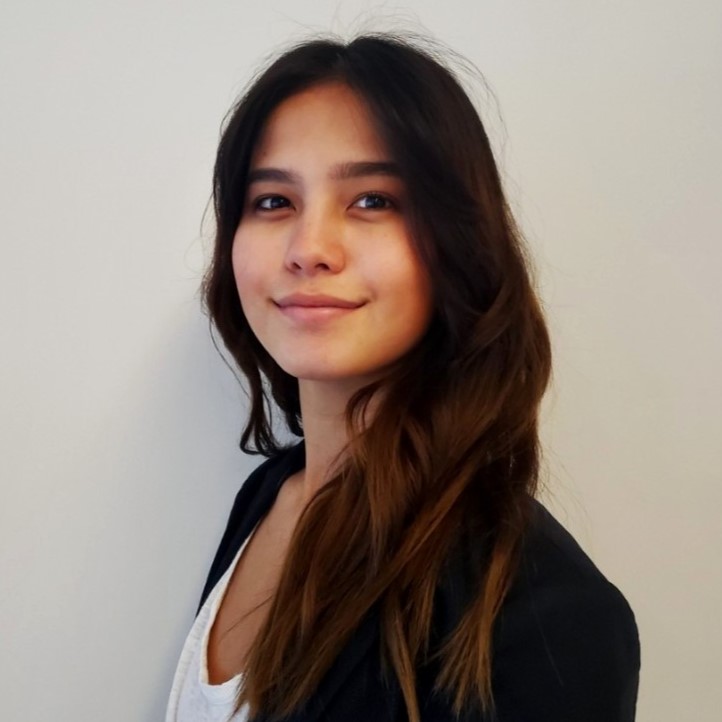
Maxine den Hartog
Maxine den Hartog, PhD Candidate, King’s Forensic Biochemistry Group, King’s College London, UK
Ms. Maxine den Hartog is a PhD student in the King’s Forensic Biochemistry group. She received a BSc in Neuroscience from University College London in 2022, graduating with first-class honours. Following this, she earned an MRes degree in Forensic Science from King’s College London with a distinction.
Her research focuses on developing novel optical biosensors for forensic analysis, with a particular interest in using aptamers as biocomponents and incorporating nanomaterials into biosensor design. Maxine’s work aims to enhance forensic detection methods for body fluids and small molecule detection.

Professor Michael Heinrich
Professor Michael Heinrich, Research Group ‘Pharmacognosy and Phytotherapy’, UCL School of Pharmacy, University College London, UK
Michael Heinrich is a Professor of Ethnopharmacology and Medicinal Plant Research (Pharmacognosy) (https://profiles.ucl.ac.uk/34589-michael-heinrich) and was until 2018 the head of the research cluster/Centre ‘Biodiversity and Medicines’ at the UCL School of Pharmacy.
From 2017 – 2023 he served as the joint chair of UCL’s Research Ethics Committee (with Dr. L. Ang, Institute of Education).
Since 2022 he also is a Yushan Fellow at China Medical University, Taiwan (https://yushan.project.edu.tw/TopTalent/EN/Intro#section1) developing research on various aspects of Chinese herbal medicine. He is listed among the a Clarivate Highly Cited Researchers.
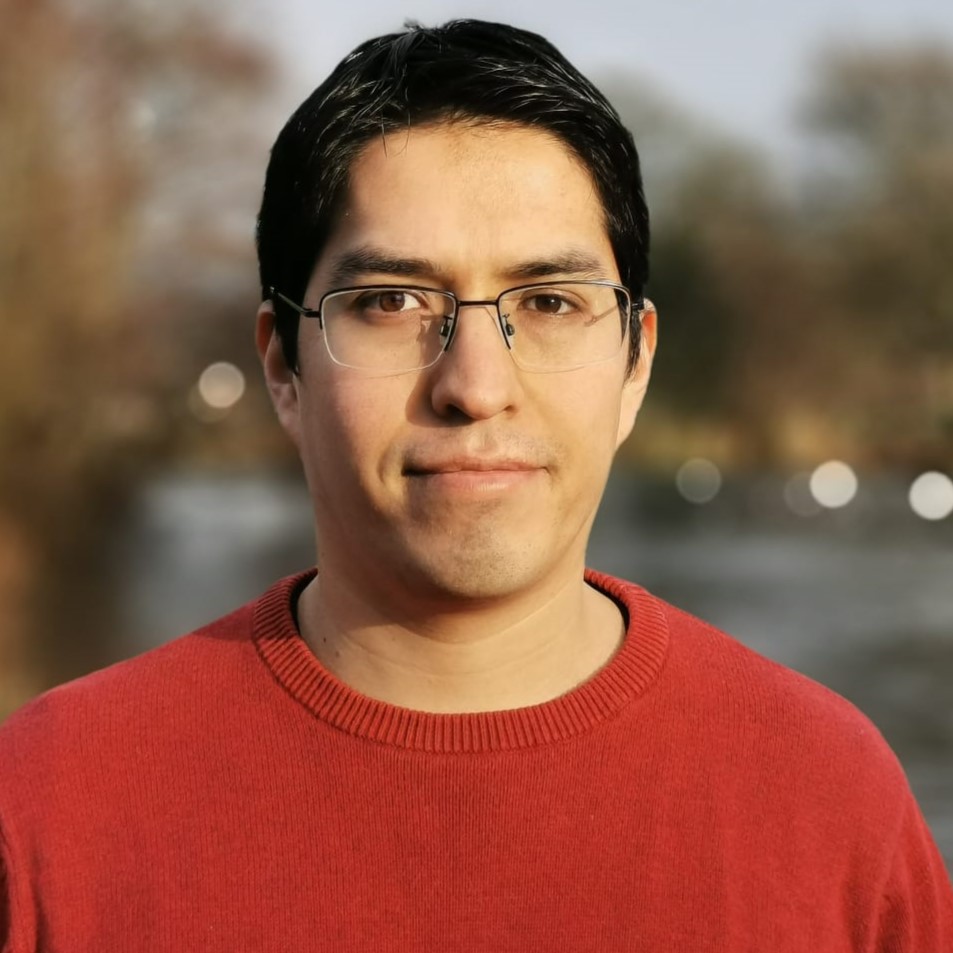
Dr Ricardo Diaz de Leon Ortega
Dr Ricardo Diaz de Leon Ortega, Modelling and Simulation Research Fellow, Quotient Sciences, UK
Ricardo is a Modelling and Simulation Research Fellow at Quotient Sciences in Nottingham, UK, where he supports clinical studies and formulation development with his knowledge in biopharmaceutics and modelling and simulation. He holds a PhD in Pharmacy and Pharmacology from the University of Bath. Ricardo’s work encompasses areas such as biopharmaceutics, modelling and simulation, dissolution, bioequivalence, and in vitro DMPK.
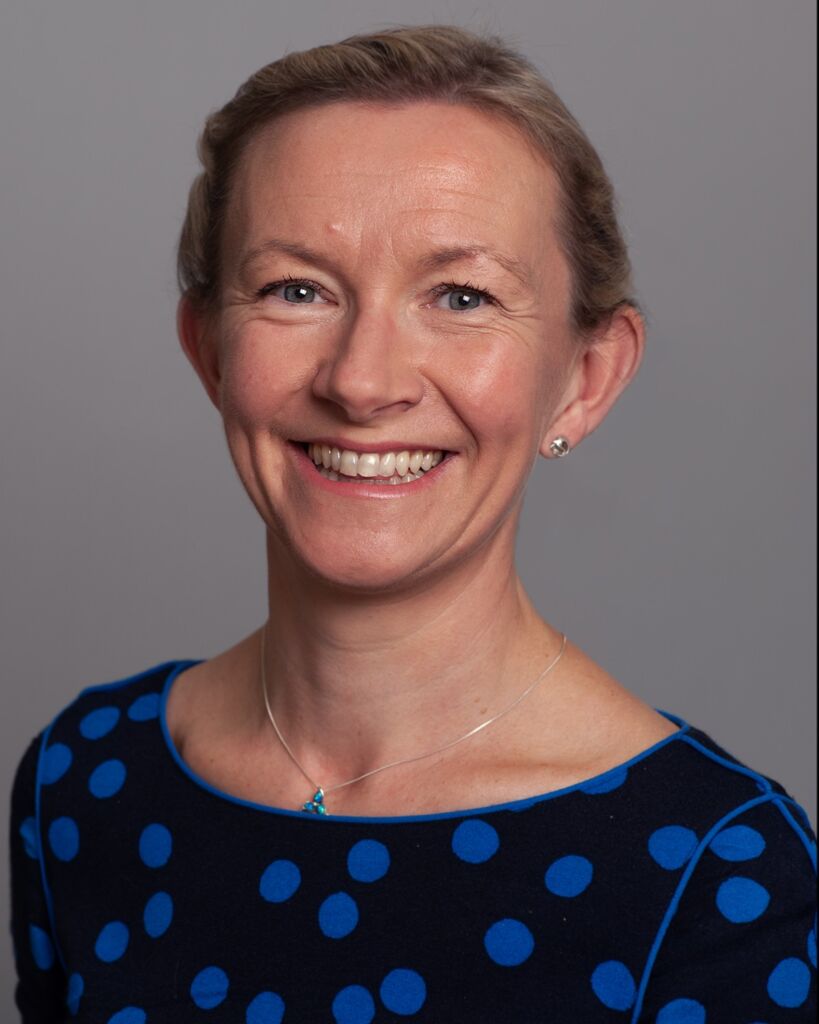
Professor Elaine Ferguson
Professor Elaine Ferguson, Professor in Polymer Therapeutics, School of Dentistry, Cardiff University, UK
Elaine graduated from the University of Manchester with a Master of Pharmacy degree in 2003, before completing a PhD with Prof Ruth Duncan at Cardiff University’s Welsh School of Pharmacy in 2008, in which she developed a bioresponsive polymer-phospholipase conjugate for the treatment of breast cancer. This research initiated Elaine’s long-standing interest in using natural biodegradable polymers as novel carriers for bioactive agents. Having demonstrated the feasibility of bioresponsive polymer therapeutics in cancer, Elaine joined Cardiff University’s School of Dentistry, where her interests focused on exploring new clinical applications, including chronic wound healing, infection and spinal cord injury. Her ongoing research aims to optimise drug release by attachment of biodegradable polysaccharides to protein and peptide drugs, in order to direct them to sites of inflammation, thereby minimising toxicity, overcoming resistance and increasing bioavailability.

Professor Paul Ferguson
Professor Paul Ferguson, Principal Scientist, AstraZeneca, UK
Paul Ferguson is a Principal Scientist at AstraZeneca in the Global Product Development department. He has worked in the pharmaceutical industry for over 25 years and has an extensive background in separation science associated with small molecule, peptide and oligonucleotide therapy development. He has been active in the field of green analytical chemistry since 2008. Additionally, he was appointed professor by special appointment at the Faculty of Science of the University of Amsterdam, Netherlands, in March 2025. His chair, “Separation of Biomacromolecules, with an Emphasis on Sustainable Analytical Science,” is part of the Van ‘t Hoff Institute for Molecular Sciences (HIMS). His position is involved in developing new analytical tools, techniques, and innovative approaches to render the field of analytical science and technology more sustainable. He is also an active member of The Chromatographic Society (ChromSoc) and organises meetings annually.
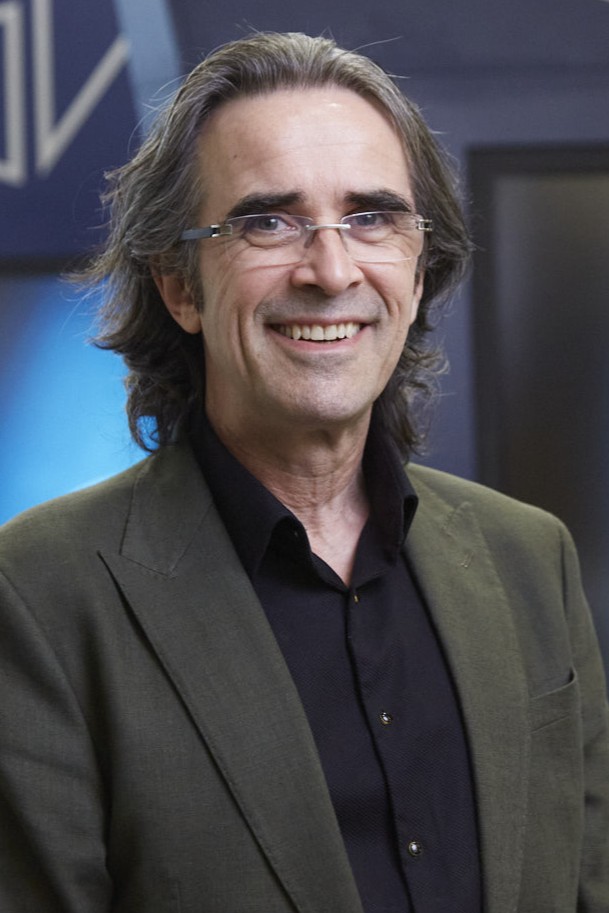
Professor Alastair Florence
Professor Alastair Florence, Director, CMAC, University of Strathclyde, UK
Professor Alastair Florence is Distinguished Professor in pharmaceutical sciences at the University of Strathclyde and Director of CMAC, leading a portfolio of collaborative research, training and translational programmes aimed at transforming the way medicines are developed and manufactured. CMAC’s research is developing integrated digital and advanced process technology solutions to accelerate the development of new products and processes through Quality by Digital Design tools. He leads several flagship projects including the Made Smarter Digital Medicines Manufacturing Centre, UKRPIF CMAC Data Lab, EPSRC Centre for Doctoral Training in Cyberphysical Systems for Medicines Development and Manufacturing (CEDAR) and the EPSRC MediForge Industry 5.0 Manufacturing Hub. The portfolio is being delivered in close partnership with leading academic and industrial partners from across the medicines manufacturing research, development and innovation sector.
Professor Ben Forbes
Professor Ben Forbes, Head of Institute of Pharmaceutical Science, King’s College London, UK
Ben is Professor of Pharmaceutics at King’s College London. He has a BPharm from King’s College London (1987) and a PhD in Drug Delivery from Strathclyde University (1996). He is a registered pharmacist in the UK and before doctoral studies, he worked in hospital pharmacy in London and Sydney, and for Inveresk Clinical Research in Edinburgh. He was appointed to the academic staff of King’s College London in 1997. Ben has worked extensively in the area of Nasal & Inhalation Drug Product Biopharmaceutics with interests in medicine formulation, the development and application of techniques to study respiratory drug transport and metabolism, and inhalation toxicology.

Michele Ghirardi
Michele Ghirardi, Head of Pharmaceutical Sciences, Centrix Pharma Solutions, UK
Michele Ghirardi is Head of Pharmaceutical Sciences at Centrix Pharma Solutions, with over 17 years of experience in the pharmaceutical industry spanning early-phase development, scale-up for clinical trials, regulatory registration, and commercial manufacturing. A pharmacist by training, Michele holds a degree in Pharmaceutical Chemistry and a master’s in Pre-formulation and Drug Development. He began his career at Pfizer in 2007 and later joined GSK, where he held progressively senior roles from R&D to manufacturing leadership – including serving as Site Technical Lead at Worthing and Global Product Owner for the Augmentin portfolio. In these roles, he supported the development, registration, and lifecycle management of oral and sterile products across global markets. Since 2021, Michele has led formulation development at Custom Pharma and Centrix Pharma Solutions, managing a multidisciplinary team that delivers end-to-end technical services from “clinical to commercial” on behalf of clients.
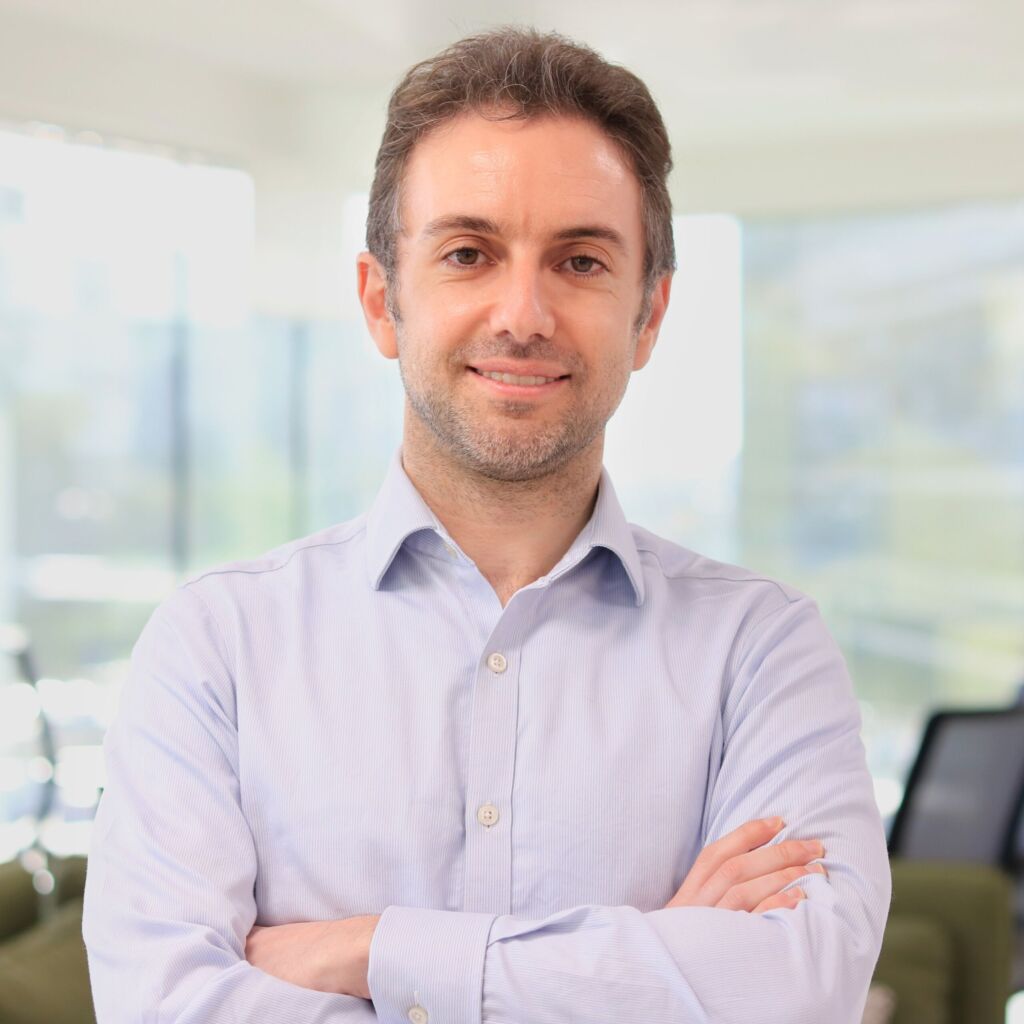
Dr Alvaro Goyanes
Dr Alvaro Goyanes Goyanes, CEO and Co-founder, FABRX Limited, UK
Alvaro Goyanes is the co-founder and CEO of FABRX, the first company dedicated to developing 3D printing technology for the fabrication of personalized medicines and medical devices. He is also an Honorary Lecturer at University College London’s School of Pharmacy (UK) and an Associate Professor at the Faculty of Pharmacy, University of Santiago de Compostela (Spain).
A pioneer in the field, Alvaro was among the first researchers to explore the potential of 3D printing for manufacturing oral dosage forms and medical devices. Recognized as a world expert in 3D-printed medicines, he has been listed among the World’s Most Highly Influential Researchers by Web of Science for six consecutive years since 2019.
Alvaro holds a PhD in Pharmaceutics from the University of Santiago de Compostela and previously worked as a Registered Pharmacist for three years, giving him first hand insight into the needs of community pharmacy.

Harriet Graham
Harriet Graham, University of Strathclyde, UK
Harriet Graham is a PhD researcher at the University of Strathclyde, working within the Rattray and Burley research groups in collaboration with GlaxoSmithKline. Now over nine months into her doctoral training, her project focuses on defining a molecular platform to support the development of cell-selective and cell-permeable antibody-drug conjugates (ADCs), with a particular emphasis on improving intracellular delivery and therapeutic precision.
She earned her MSci in Biochemistry from the University of Glasgow in 2024. During her placement year, she worked with AstraZeneca in Sweden, where she optimised full-length mRNA sequencing workflows using the Oxford Nanopore platform, contributing to the development of more reliable and scalable bioinformatics pipelines.
Harriet’s research interests lie in understanding and enhancing the cellular uptake of ADCs to boost their efficacy whilst minimising off-target effects. She is particularly motivated by expanding the therapeutic scope of ADCs beyond oncology, aiming to contribute to the advancement of targeted therapeutics across a broader range of diseases.

Donal Greene
Donal Greene, School of Pharmacy, Queen’s University Belfast, UK
I am currently a fourth year MPharm student within the School of Pharmacy at Queen’s University Belfast. I will graduate in July 2026, and I will commence my Foundation Training Year in September the same year. I have a keen interest in drug delivery research, particularly transdermal drug delivery via the use of Microneedle Array Patches.
I have recently completed a Summer Studentship as a part of Professor Ryan Donnelly’s group, which has further fostered my interest in this field of drug delivery.

Antonia Gucic
Ms Antonia Gucic, UCL School of Pharmacy, UK
Antonia received her Master of Pharmacy (MPharm) degree from King’s College London in 2020. She then completed her pre-registration pharmacist training and worked as a hospital pharmacist within the NHS. She is currently a doctoral candidate at the UCL School of Pharmacy within the CDT in Transformative Pharmaceutical Technologies.
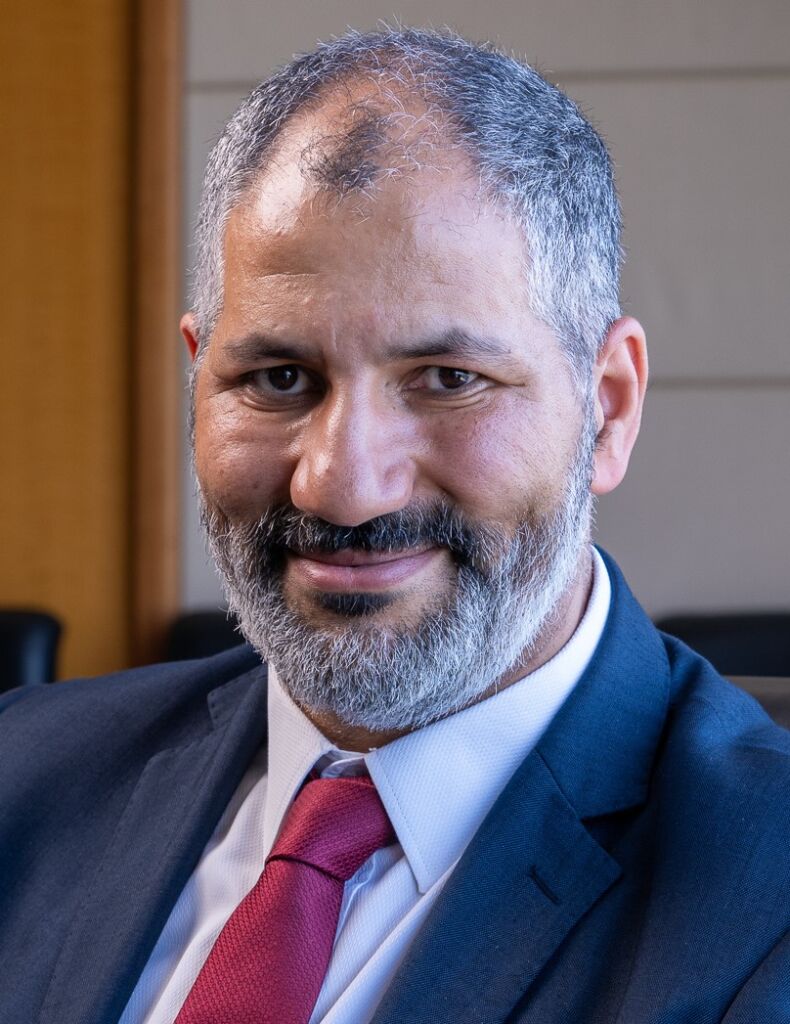
Samir Haddouchi
Samir Haddouchi, Managing Director, SOTAX Pharma Services, France
Prior to joining SPS Pharma Services, Samir spent more than 10 years at Sandoz and Novartis, in the regions of Basel (CH) and Orleans (FR), participating to the development of analytical methods for residues of agrochemical compounds (using GC-MS or LC-MS, as well as automated sample preparation platforms such as Zymark Benchmate) or to the development of several pharmaceutical products, particularly in charge of the development of dissolution methods.
In 2005, he resigned from Novartis to found SPS Pharma Services in Clermont Ferrand which is the first and only CRO specialized in Dissolution and Release Testing. There, Samir managed SPS facility and was in charge of projects management.
In April 2013, SPS Pharma Services moved to a new larger facility in Orleans (FR) in order to ensure better efficiency and provide a broader range of services to its clients, including cGMP routine testing.
The facility has been successfully inspected by US FDA and is registered as Pharmaceutical Establishment for both US and Europe.
Since beginning of 2022, SPS has been fully integrated within SOTAX Group and Samir is now in charge of the whole business segment Pharma Services, which comprises of 3 sites located in Europe (Orleans, France), America (Westborough, MA, USA) and Asia (Ahmedabad, India).
Fields of interest and expertise: analytical development, in vitro dissolution and release testing (all techniques from USP1 to USP7), in vitro-in vivo correlations (IVIVC), formulation development, laboratory automation.
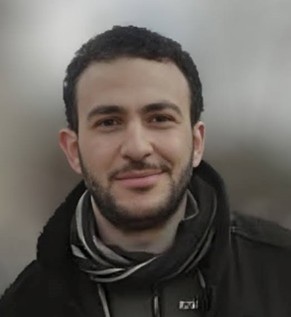
Dr Belal Hanafy
Dr Belal Hanafy, Senior Scientist, Pharmaceutical Sciences, Advanced Drug Delivery, AstraZeneca UK
Dr Belal Hanafy, PhD, is a Senior Scientist in Pharmaceutical Sciences at AstraZeneca in Cambridge, UK, with a strong background in data science and advanced analytics. With a doctoral degree in pharmaceutical sciences, Dr Hanafy is a specialist in data-driven nano formulation development, currently focusing on optimising lipid nanoparticles (LNPs) for diverse therapeutic areas. At AstraZeneca, he has pioneered innovative approaches that incorporate Design of Experiment (DoE), machine learning, and predictive modelling workflows to optimize prototypes, ensuring they are tailored for their intended use.
Dr Hanafy also has successfully led a cross-functional effort at AstraZeneca to develop a novel approach predicting the subcutaneous human bioavailability of monoclonal antibodies (mAbs) with high accuracy and broader applicability. By integrating in-vitro and in-silico methodologies, his work overcomes the limitations of traditional animal models, enabling more accurate predictions of clinical outcomes and advancing the precision of therapeutic development.
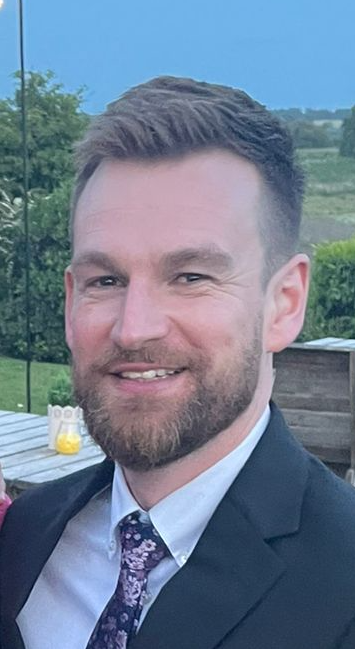
Dr James Hobson
Dr James Hobson, Research Coordinator, Centre of Excellence for Long-acting Therapeutics, University of Liverpool, UK
James is a Research Coordinator within the Centre of Excellence for Long-acting Therapeutics (CELT). Hosted at the University of Liverpool, CELT is a cross-faculty research initiative combining expertise in pharmacology and materials chemistry. CELT works with international partners to disseminate research findings in long-acting medicine, and drive change in the global landscape of drug administration.
As Research Coordinator for CELT Chemistry, James oversees formulation development activities across the CELT Chemistry portfolio. The team focuses on investigating new drug therapies and dosage forms, novel excipients, and long-acting options for improving and/or re-purposing existing active pharmaceutical ingredients.
James has 15 years of experience within the fields of materials chemistry and drug delivery and has worked extensively on large collaborative projects between academic, public, and private sector stakeholders. James holds a PhD from the University of Liverpool.

Dr Esther Jacobs
Dr Esther Jacobs, Associate Principal Scientist, AstraZeneca, UK
Dr Esther Jacobs is an Associate Principal Scientist at AstraZeneca, where she specializes in advancing pharmaceutical innovation through her expertise in amorphous solid dispersions (ASDs), lipid-based formulations (LBFs), and hot melt extrusion (HME). She holds a PhD in Pharmaceutical Sciences from Queen’s University Belfast, where her research focused on drug delivery of amorphous polymeric nanoparticles using hot-melt extrusion.
At AstraZeneca, Esther’s role focuses on the development and optimization of oral formulations of poorly soluble and complex synthetic molecules from early preclinical until early clinical development.
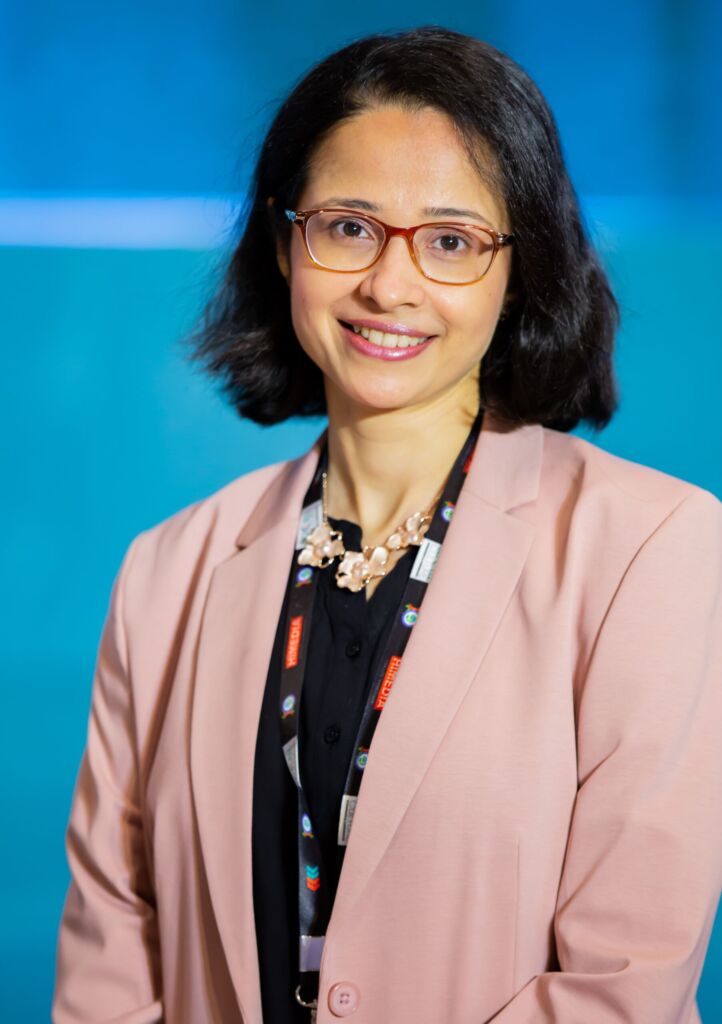
Dr Prajakta Dandekar Jain
Dr. Prajakta Dandekar Jain, UGC Assistant Professor in Engineering Sciences, Department of Pharmaceutical Sciences and Technology, Institute of Chemical Technology (ICT), Mumbai, India
Dr. Prajakta Dandekar Jain is UGC Assistant Professor at Dept. of Pharmaceutical Sciences and Technology (DPST), Institute of Chemical Technology (ICT), Mumbai, India. She completed her Ph.D. in Bioprocess Technology from the same department in 2010, following which she was the first women researcher to receive the RESPIRE long-term fellowship from the European Respiratory Society (ERS)-Marie Curie Co-fund, to conduct research in siRNA delivery systems for alleviating lung infections. She conducted this research at the Helmholtz Institute of Pharmaceutical Sciences, Saarland, Germany for two years. Currently, her research work is focused in the areas of nanofibers for tissue engineering, 3D cell culture technology, microfluidic technology for organ development, 3D bioprinting and green technology. She has guided 10 Ph.D. students and over thirty masters’ students. She has authored over 125 publications in international journals, 2 books, 11 book chapters and has been awarded six design patents and one process patent in 3D cell culture during her research career of about eighteen years. She has received various awards including OPPI Women Scientist Award 2024 by Organization of Pharmaceutical Producers of India, Dr. Dipti M. Kapoor Endowment Award 2024 by Society of Alternative to Animals-India, Swami Vivekanand Yuva Puraskar 2023 by RSS Jankalyan Samiti, Maharashtra Branch, Pune, Uncha Maza Zoka Award by Zee Entertainment Enterprises, Savitribai Phule Stree Gaurav Puraskar, Maharashtra Seva Sangha, Mumbai, N R Kamath book awards, M.V. Deshpande and Dept. of Atomic Energy Young Scientist Awards, Young Associate of Maharashtra Academy of Sciences etc. She was also instrumental in initiating the Dept. of Biotechnology, Govt. of India sponsored M.Tech. in Pharmaceutical Biotechnology program at DPST, ICT, Mumbai and is currently the coordinator of this program.
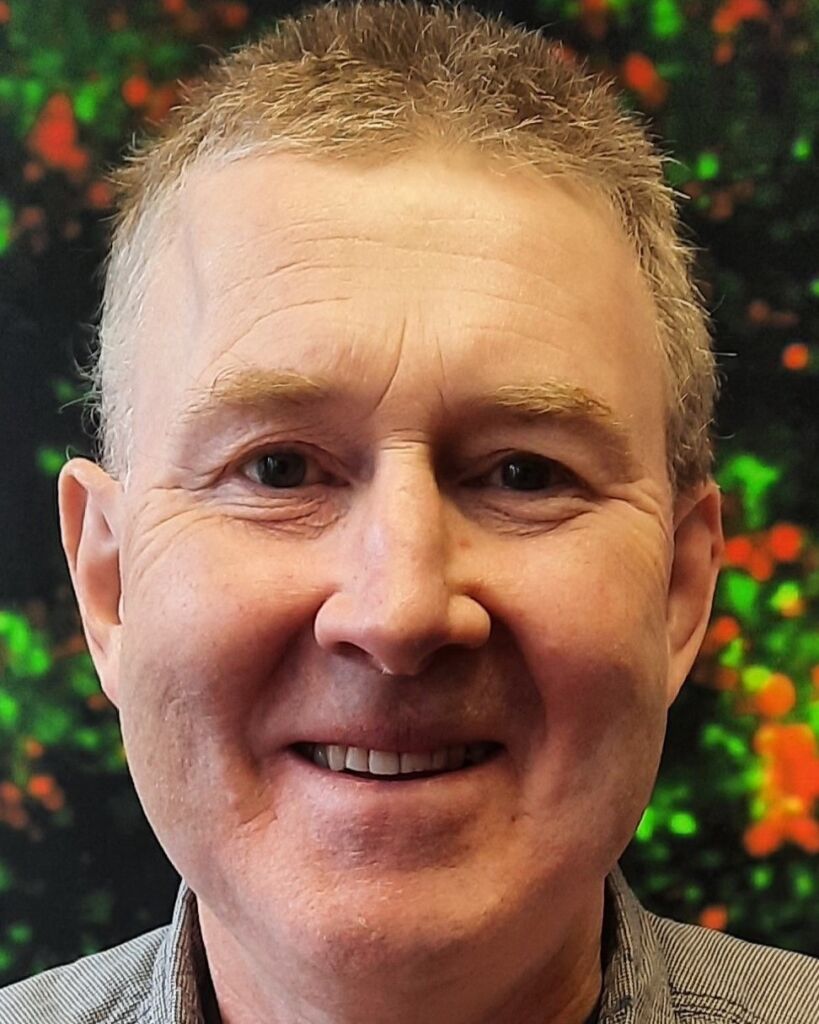
Professor Arwyn T. Jones
Professor Arwyn T. Jones, Professor of Membrane Traffic and Drug Delivery, School of Pharmacy & Pharmaceutical Sciences, Cardiff University, Wales, UK
Arwyn obtained his PhD, under the supervision of Sir Tom Blundell, in protein crystallography at Birkbeck College, University of London. He then undertook postdoctoral research on endocytosis at the University of Liverpool, Harvard University and EMBL Heidelberg- as EMBO and Alexander von Humboldt fellow. Following a BBC Scholarship to gain a Diploma in Journalism at Bangor University he was appointed as lecturer at the Cardiff School of Pharmacy and Pharmaceutical Sciences, Cardiff University. There, he is now Professor of Membrane Traffic and Drug Delivery and Director for Research Innovation and Engagement
His research falls under themes of cancer cell biology, endocytosis and drug delivery, all of which aim to enhance our capacity to deliver small molecule drugs and biopharmaceuticals to defined regions of cells. He has published >100 papers and throughout his career he has collaborated with a long list of national and international academic groups, SMEs and major companies. He currently sits as Editorial Board member of J. Controlled Release and Membranes. Arwyn is also extremely proactive in public engagement with science, organising small and large science exhibitions locally in Cardiff and across Wales- see home page for details.

Patrick Keady
Patrick Keady, School of Chemical and Bioprocess Engineering, University College Dublin, UK
Patrick Keady is undertaking a PhD in the School of Chemical and Bioprocess Engineering in University College Dublin under Associate Professor Steven Ferguson. He graduated from Trinity college with a degree in medicinal chemistry and completed his bachelor’s capstone project in Humboldt university in Berlin synthesising clickable glycosphingolipid molecules. His current research is focused on increasing the bioavailability of APIs using ionic liquids. He is also supervised by Professor David Brayden in the UCD School of Veterinary Medicine where he undertakes ex vivo Ussing experiments, and Professor Anne Marie Healy in the school of pharmacy in Trinity College Dublin who supervises the formulation aspects of the project.
Dr Olaf Kelber
Dr Olaf Kelber, Scientific Strategy Phytomedicines, Bayer Distinguished Science Fellow, Research and Development, Phytomedicines Supply and Development Center, Bayer Consumer Health, Germany
Olaf Kelber is research scientist and Bayer Distinguished Science Fellow at the Phytomedicines Supply and development Center of Bayer Consumer Health in Darmstadt, Germany. He is biologist with specialization in toxicology and has a mas-ter´s degree in pharmaceutical medicine.
He was leading the pharmacological laboratory of the site, before he took over the scientific project management for the re-registration of a broad portfolio of herbal medicinal products, building a broad spectrum of academic collaborations in the field.
He then was leader of the clinical research and medical information team of the site, before changing to his present functions. He was leading diverse projects in the fields of quality, toxicology, pharmacology, clinics, safety, real world evidence and sustainability of herbal medicinal products.
He is author or co-author of more than 70 publications in scientific journals and 700 contributions to scientific congresses. He is member of the Q3C working group of ICH, Geneva, the steering committee of the Botanical Safety Consortium (BSC), Washington DC, the scientific working group of Kooperation Phytopharmaka, Bonn and the board of the German Society for Phytotherapy, Bonn, and is secretary of the Society of Medicinal Plant and Natural Product Research (GA).

Khushi Khandelwal
Miss Khushi Khandelwal, Strathclyde Institute of Pharmacy and Biomedical Science, UK
Khushi Khandelwal is a PhD candidate in Pharmacy, with a research focus on the development of sustained release oral dosage forms using biorelevant dissolution testing. Her work involves evaluating advanced in vitro models such as USP II, USP IV, and TIM-2 to better predict in vivo drug release and improve formulation strategies.

Dr Prof. Dongwuk Kim
Dr Prof. Dongwuk Kim, College of Pharmacy, Kyungpook National University, South Korea
Dr Dongwuk Kim is a Professor at the College of Pharmacy, Kyungpook National University, South Korea. His research primarily focuses on the development of advanced drug delivery systems using 3D printing technologies, as well as the solubilization of poorly water-soluble drugs. He has published over 80 SCIE-indexed research articles and continues to pursue research in these areas.

Lisa Kuchler
Lisa Kuchler, PhD Student, Research Center for Pharmaceutical Engineering (RCPE), Austria
I am a PhD student at the Research Center for Pharmaceutical Engineering (RCPE) in Graz, specializing in hot melt extrusion (HME) and continuous manufacturing of solid dosage forms. My academic background includes a Bachelor’s and Master’s degree in Pharmacy from Karl-Franzens University Graz.
My current research focuses on two key areas: the development of a universal digital control concept for end-to-end pharmaceutical manufacturing, and the implementation of liquid API feeding in HME. The control concept integrates real-time data from PAT sensors, equipment, and soft sensors into a digital twin, enabling model-based process control across batch and continuous operations. The liquid feeding approach allows APIs to be introduced as solutions or suspensions, improving content uniformity and process agility while supporting the production of personalized dosage forms.

Kellisa Lachacz
Kellisa Lachacz, Principal Scientist, AstraZeneca, UK
(Bio coming soon)
Dr Jenny Lam
Dr Jenny Lam, MPharm MBEth PhD SFHEA, Associate Professor of Pharmaceutics, UCL School of Pharmacy, UK
Dr Jenny Lam is an Associate Professor of Pharmaceutics at the UCL School of Pharmacy, University College London. Jenny obtained her MPharm and PhD from The University of Nottingham. In her PhD study, she investigated the use of non-viral vectors for gene delivery. Jenny was then awarded the Maplethorpe Fellowship, continued her research in nucleic acid delivery at King’s College London. She then joined the University of Hong Kong as Assistant Professor to help setting up a Bachelor of Pharmacy Programme and returned to the UK in 2022.
Jenny’s research is focused on the development of novel delivery system for a wide range of therapeutics including small molecules, nucleic acids and biologics, with special interest in the use of particle engineering methods to produce aerosol formulations for the treatment/prevention of respiratory diseases. She is the principal investigator of a number of competitive grants. She has published over 90 peer-reviewed articles and filed a number of patent applications on pulmonary drug delivery systems. In 2020, she was awarded the DDL (Drug Delivery to the Lungs) Emerging Scientist Award which recognised her significant accomplishment and innovation in inhalation science.

Eileen Lambrechts
Eileen Lambrechts, Laboratory for General Biochemistry and Physical Pharmacy, Ghent University, Belgium
In 2018, Eileen Lambrechts started her Bachelor in Pharmaceutical Sciences at the University of Ghent. She obtained her master’s degree in Drug Development in 2023 with greatest distinction. In October 2023, she started her PhD the Ghent Research Group on Nanomedicines, under the supervision of Prof. Dr. Koen Raemdonck.

Krystian Lewandowski
Krystian Lewandowski, PhD Student, University of Nottingham, UK
Krystian comes from Poland, and he began his academic journey at the University of Bath, where he earned an MEng in Chemical Engineering, graduating with First Class Honours. During his Master’s, he investigated electrospinning to develop scaffolds with antimicrobial properties for tissue engineering applications. As part of his degree, he also completed a placement year working as an Engineering Project Coordinator at Laleham Health & Beauty, a manufacturer of health and beauty products.
He is now pursuing a PhD in Pharmacy at the University of Nottingham. His research focuses on the use of additive manufacturing techniques to fabricate microneedles for the delivery of biologics.
Professor Neill Liptrott
Professor Neill Liptrott, Chair in Pharmacology and Immunocompatibility, Department of Pharmacology and Therapeutics, University of Liverpool, UK
Professor Liptrott is Chair of Pharmacology and Immunocompatibility, based at the University of Liverpool, and has a background in pharmacology, immunology, and molecular cell biology. His research investigates the biological interactions of complex medicines and advanced therapies such as cellular therapies. This work encompasses the assessment of the biocompatibility, immunomodulatory potential and risk of these novel therapeutic strategies. Prof. Liptrott’s team is also investigating impacts on cellular health and metabolism that may underpin these interactions, particularly concerning longer-term exposure to these advanced therapies. His research has helped underpin the successful translation of the first solid drug nanoparticle formulations through GMP manufacture towards healthy volunteer bioequivalence studies for use in HIV treatment. He is the principal investigator for the Liverpool Immunocompatibility Group, Coordinator of the Liverpool Nanotherapeutics Hub, Platform manager (Nanotherapeutics) for the Infection Innovation Consortium (iiCON), Steering committee member for the UK Intracellular Drug Delivery Centre (IDDC), and biocompatibility lead for the recently established Centre of Excellence for Long-acting Therapeutics (CELT) at the University of Liverpool. His group continues to support developers of advanced therapeutics in their efforts to reach clinical studies.

Rebecca Macfarlane
Rebecca Macfarlane, PhD Student, Strathclyde Institute of Pharmacy and Biomedical Science, University of Strathclyde, UK
Rebecca is a 3rd year PhD student at the University of Strathclyde. Her academic background includes a Bachelor of Science degree in Immunology and Microbiology and an MSc in Cancer Therapies. Her current research centres on the optimisation of lipid nanoparticle formulations for nucleic acid delivery, with a particular focus on vaccine applications and optimisation. Her work encompasses various in vitro and in vivo techniques to gain insight into LNP efficacy in clinically-relevant models, with the aim to enhance and support pre-clinical vaccine development.

Dr Mark McAllister
Dr Mark McAllister, Chief Scientific Officer, Biowaived, UK
Dr Mark McAllister is the Chief Scientific Officer and co-founder of Biowaived, a specialist dissolution and biopharmaceutics company based at Discovery Park in Kent. He is a Pharmacy graduate from Queen’s University Belfast and has a pharmaceutics PhD from Aston University which focused on liposomal delivery to the lung for the treatment of cystic fibrosis infections.
Mark has 30 years industrial drug development experience which spans discovery to commercial drug product design and he has specialised in oral delivery systems and biopharmaceutics through roles with Hoechst-Roussel, GlaxoSmithKline and most recently as a Senior Director and Head of Global Biopharmaceutics, part of the Drug Product Design group at Pfizer in Sandwich, Kent. Mark was the Pfizer drug product lead for Lorlatinib, an accelerated small molecule treatment for NSCLC, commercialised as Lorviqua in the EU and Lorbrena in USA/Canada/Japan. He is a former chair of the Academy of Pharmaceutical Sciences (APS) and is currently a visiting lecturer at King’s College London. Mark co-led the IMI ‘OrBiTo’ biopharmaceutics project, an academic/industrial collaboration, focused on the development of the next generation of models to predict oral absorption and has participated in pre-competitive research programmes including COLOTAN, AGePOP and InPharma Marie Skłodowska-Curie innovative training networks. He is currently an advisory board member for SweDeliver, the Swedish drug delivery consortium and a member of the FIP BCS & Biowaiver focus group. Mark is a Fellow of the Royal Pharmaceutical Society and APS. Mark is a co-author on more than 60 peer-reviewed publications and book chapter contributions, multiple patents, invited presentations and 50 poster presentations.

Dr Nihad Mawla
Dr Nihad Mawla, University of Huddersfield, School of Applied Sciences, Department of Pharmacy, UK
Nihad is a Postdoctoral Research Assistant in Pharmaceutics at the University of Huddersfield. He has worked on projects with CRODA manipulating pharmaceutical particles for various applications. He is currently working on an Accelerated Knowledge Transfer (AKT) between the University of Huddersfield and GSK. Nihad completed his MSc in 2017 with Distinction and won a scholarship for his PhD. Nihad completed his PhD at the University of Huddersfield in Pharmaceutical Science. His research focuses on manipulating polymers for the controlled-release dosage forms, imaging alcohol-containing media effects on drug release and utilising 3D printing for controlled release dosage forms. Nihad also has expertise in dissolution imaging and is well published in the research area.

Maiara Montanha
Maiara C. Montanha, Bristol Myers Squibb, UK
Maiara has significant experience in Biopharmaceutics, Pharmacokinetic (PK) data analysis, PK modelling, Metabolism and Clinical Pharmacology. Throughout her career (Ph.D. in Biosciences and Physiopathology, former employee at Pfizer and current position in Bristol Myers Squibb), she has developed hands-on experience in predicting human PK at different stages of drug development (preclinical, post-FIH, post-filing) in addition to applying PBPK models to understand factors influencing oral absorption, guide solid form and formulation selection, inform clinical trial design, understand the PK/PD relationship, and integrate knowledge on API material properties (e.g. solid form, particle size, particle shape) and formulation/drug considerations (e.g. drug delivery technology – IR vs. MR, amorphous solid dispersion). She is also an UK STEM Ambassador, since mentoring young people and scientist is her passion.

Ghaida Mustafa
Ghaida Mustafa, Lecturer in Pharmaceutics, University of Khartoum, Sudan and PhD Researcher, Pharmaceutical Technology, University of Bradford, UK
I am Ghaida Mustafa, Sudanese pharmacist and lecturer in pharmaceutics at University of Khartoum, Sudan. I am currently a PhD researcher in pharmaceutical technology at University of Bradford and my PhD project is funded by Faculty For The Future (FFTF) program offered by Schlumberger Foundation. I am interested in community-based, supporting women and STEM engaging activities and programs.

Lucy May Newman
Lucy May Newman, School of Pharmacy, Translational and Clinical Research Institute, Newcastle University, UK
Lucy is a second-year PhD candidate at Newcastle University, specialising in formulation design to enhance drug delivery through pharmaceutical cocrystals. Prior to her PhD, she gained industry experience in the pharmaceutical sector, which informs her translational approach to research. Her current work integrates solid-state chemistry, pharmaceutics and formulation science to streamline early-stage drug development.

Dr Rebecca Notman
Dr Rebecca Notman, Associate Professor in Computational Biochemistry, School of Biochemistry, University of Bristol, UK
Dr Rebecca Notman is an Associate Professor in the School of Biochemistry at the University of Bristol and a Royal Society University Research Fellow (2012–2025). She is an expert in biomolecular simulation, leading a research team that applies molecular dynamics simulations to study biological systems, particularly lipid membranes and proteins. Her research focuses on understanding and predicting how molecular structure and interactions give rise to experimentally observed behaviours.
A key focus of Dr Notman’s work is the molecular structure and organization of the human skin barrier. For over 20 years, she has developed computational models of stratum corneum lipids and proteins that have advanced understanding of the skin’s barrier function, mechanical properties, and mechanisms of action of chemical penetration enhancers. Her research has applications in transdermal and topical drug delivery, dermatological formulations, safety and risk assessment, and personal care product design. Through collaborations with experimental and industrial partners, she provides molecular-level insights that guide pharmaceutical and biomedical innovations.
Before joining Bristol, Dr Notman held academic positions in the Department of Chemistry at the University of Warwick, including Reader (2024), Associate Professor (2017–2024), and Assistant Professor (2012–2017). She was previously an independent Science City Research Fellow (2009–2012) and a postdoctoral research associate (2007–2009), also at Warwick. She holds a PhD in Computational Pharmaceutical Science from King’s College London and an MSc in Molecular Modelling and a BSc in Biochemistry from Cardiff University.
Dr Eoin O’Cearbhaill
Dr Eoin O’Cearbhaill, Associate Professor of Biomedical Engineering, Director of the UCD Centre for Biomedical Engineering, School of Mechanical & Materials Engineering, UCD, Ireland
Dr Eoin O’Cearbhaill is an Associate Professor in Biomedical Engineering in the School of Mechanical & Materials Engineering, UCD and Director of the UCD Centre for Biomedical Engineering. In 2013, he joined UCD and set up the UCD Medical Device Design Group, which to-date has received over €6 million in research funding and spun-out 3 medical device companies. Dr O’Cearbhaill’s research focuses on developing platform medical device technologies, offering smart ways to deliver next-generation therapeutics through minimally invasive approaches. Coupled with his academic research, Dr O’Cearbhaill’s experience includes working with medical device start-ups, contract design manufacturers and large multinationals towards clinical-translation of medical device technologies.

Dr Bassel Odeh
Dr Bassel Odeh, Head of New Active Substances Team, Medicines & Healthcare Products Regulatory Agency, UK
Dr Bassel Odeh has a PhD in Clinical Pharmacy and MSC in Pharmaceutical Sciences from Kingston University and over 20 years of experience in the pharmaceutical industry. Dr Odeh is currently the Head of New Active Substances Team at the Medicines & Healthcare products Regulatory Agency and he is part of the Innovative Medicines and Population Health senior leadership team. Dr Odeh is also a topic leader on ICH Expert Working Group for the revision of the Specifications Guidelines Q6(R1) and a member of the Agency Nitrosamines Working Group. Dr Odeh has also worked as a Leading Senior Pharmaceutical Assessor at the Agency where he conducted pharmaceutical assessments and provided regulatory and scientific advice to stakeholders. Prior to this role, he worked as a Senior Formulation Scientist where he conducted pre-formulation and formulation characterisation studies and supported drug product development, validation, and transferring into GMP manufacturing.

Ozde Oztekiner
Ozde Oztekiner, University College London, UK
Ozde is a PhD candidate at University College London’s School of Pharmacy within the EPSRC-SFI CDT in Transformative Pharmaceutical Technologies, Ozde’s research explores stabilising nebulised mRNA-lipid nanoparticles using PEG-lipid alternatives. Her academic journey and industrial experiences have shaped her expertise in advanced drug delivery. She graduated with first-class honours from Aston University, consistently ranking in the top five of her cohort and achieving the highest mark in Neuropharmacology. Her MPharm research focused on developing multi-layered buccal patches with aripiprazole nanosuspension to enhance the solubility of hydrophobic drugs.
During her placement at AstraZeneca, Ozde conducted research project evaluating excipient compatibility and in vitro–in vivo correlation (IVIVC) for oral drug formulations, using the MicroFlux™ system and developing in vitro models to predict oral absorption of challenging compounds, including PROTACs. At GlaxoSmithKline, she completed the second half of her foundation training year in Product Development and Supply, contributing to projects spanning early phase development to commercial production. She gained hands-on experience with advanced manufacturing techniques, regulatory submissions, and led a process capability project involving single-punch presses and dry granulation simulation.

Sara Pinto
Sara Pinto, Business Development Manager, Intertek Melbourn, UK
Sara Pinto is a Business Development Manager at Intertek Melbourn, where she leads strategic initiatives in formulation development and analytical services for orally inhaled and nasal drug products. With a background in Chemical Engineering and over eight years of experience in the inhalation and nasal drug delivery sector, Sara has held roles spanning research, operations, and commercial strategy.
She began her career at Nanopharm, supporting product development from physicochemical characterization and formulation through to device integration and regulatory testing. At Intertek, Sara now applies her technical expertise to foster strategic collaborations, aligning scientific solutions with client, regulatory, and market needs.

Matt Popkin
Matt Popkin, Executive Director, CMC Excellence, CMC Regulatory Affairs, GSK, UK
Matt Popkin GSK to work as synthetic chemist in 2000. Since that time he has worked in a number of R&D roles in the CMC development and registration of novel medicines, leading teams focused on QbD, innovative manufacturing, and new technologies and innovative regulatory science, including as part of ICH Quality working groups. In his current role he is Executive Director, CMC Excellence, within CMC Regulatory Affairs based in the UK. In this role, Matt is head of global CMC policy and advocacy in GSK and is vice-chair of the Manufacturing and Quality Expert Group at the European Federation of Pharmaceutical Industries and Associations (EFPIA).

Panida Punnabhum
Miss Panida Punnabhum, University of Strathclyde, UK
Panida, aka Tan, is a first-year PhD student at the University of Strathclyde and a Research Technician for the EPSRC Multiscale Metrology Suite. A qualified pharmacist, she holds an MSc in Advanced Drug Delivery from Strathclyde. Her research focuses on optimising and developing a pipeline for applying Flow Field-Flow Fractionation (FFF)-based analytics to the development of bionanotherapeutics.
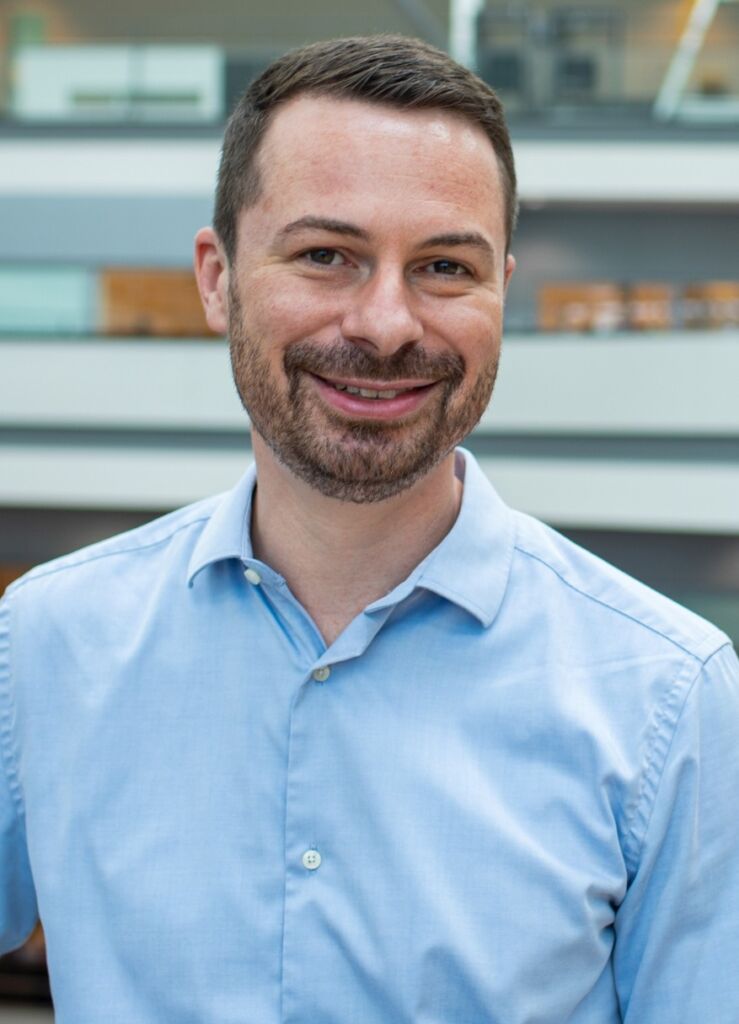
Julian Quodbach
Julian Quodbach, PhD, Assistant Professor, Division of Pharmaceutics, Utrecht Institute of Pharmaceutical Sciences
Julian Quodbach is a pharmacist by training with a PhD in pharmaceutics from Heinrich Heine University Düsseldorf, Germany. Since 2015 he is researching 3D printing as manufacturing tool for pharmaceutical products. After a postdoc at the Drug Delivery Group at Uppsala University, Sweden in 2019, Julian Quodbach returned to Düsseldorf to continue his work on 3D printing. In January 2022, Julian joined the Utrecht Institute for Pharmaceutical Sciences at Utrecht University, The Netherlands as Assistant Professor. There, he connects his academic work on 3D printing of medicines with clinical translation and application.

Dr Zahra Rattray
Dr Zahra Rattray (MPharm, PhD, FHEA, FAPS, MRSC, FRPharmS), Reader in Translational Pharmaceutics, Strathclyde Institute of Pharmacy and Biomedical Sciences, University of Strathclyde, UK
Zahra Rattray is a Reader in Translational Pharmaceutics at the University of Strathclyde Institute of Pharmacy and Biomedical Sciences. Her team are interested in developing analytical pipelines for the translation of new modality therapeutics. Zahra is a registered pharmacist, obtaining her MPharm (2008) and PhD in drug delivery (2013) from the University of Manchester School of Pharmacy and Pharmaceutical Sciences. Zahra was a senior scientist at AstraZeneca (2014-2016) contributing to the early development and parenterals development portfolio, and later completed postdoctoral training at the Yale School of Medicine (2016-2018) developing cell-penetrating antibodies against hard to treat cancers. Zahra is director of the Engineering and Physical Sciences Research Council Multiscale Metrology Suite national facility for nanomaterials analysis and Academic in Residence at the United Kingdom Laboratory of the Government Chemist National Measurement Laboratory.
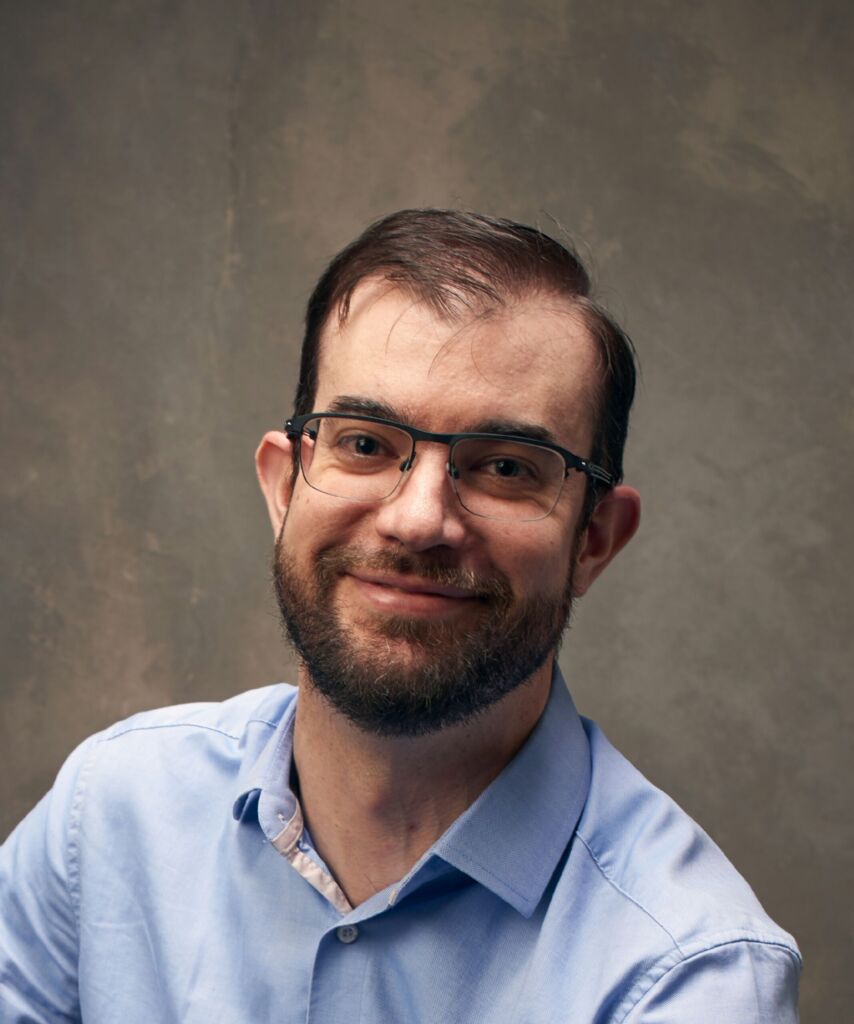
Colm Reddington
Colm Reddington, Senior Director CMC Regulatory Affairs, AstraZeneca, UK
Colm Reddington, MPharm, MSc, is a Senior Director CMC Regulatory Affairs at AstraZeneca, Cambridge, UK. He joined the CMC Regulatory Team in AstraZeneca in 2020, supporting the development and roll out of biological medicines to patients worldwide. He is currently leading global filings and post approval changes for antibody drug conjugate products from a CMC Regulatory perspective.
He previously worked for over 10 years at the UK Medicines and Healthcare Products Regulatory Agency (MHRA) as a senior pharmaceutical assessor and most recently, Assessment Unit Manager for Cardiovascular and Diabetic products.

Napaporn Roamcharern
Napaporn Roamcharern, Doctoral Student (Thai Embassy Scholar, 2022), University of Strathclyde, UK
I completed a B.Sc. in Biochemistry at Khon Kaen University, Thailand, in 2018. I then pursued my research interests in Siamese crocodile hemoglobin, focusing on the development of novel hemoglobin-based oxygen carriers (HBOCs). After graduating in 2019, I had the excellent opportunity to work as a research assistant in my hometown at the Protein and Proteomics Research Center for Commercial and Industrial Purposes (ProCCI). There, I contributed to projects on plant-based proteins and peptides, as well as smaller projects related to both animal- and plant-based food development.
In 2022, I began my PhD in Biomedical Sciences at the Strathclyde Institute of Pharmacy and Biomedical Sciences (SIPBS), University of Strathclyde, Glasgow.
Research Interests: Currently, I have a strong interest in silk-based drug delivery. My current research focuses on the manufacturing and characterization of silk nanoparticles, with the ultimate goal of developing a nanocarrier for anticancer drug delivery.

Dr Simon Roberts
Dr Simon Roberts, Controlled Release Manager – EMEA, IMCD UK Limited, UK
An experienced pharmaceutical materials scientist with a career spanning academic research, pharmaceutical development and manufacturing at Abbott and excipient sales and business development. Currently he has responsibility for the controlled release excipient portfolio for EMEA at IMCD, a leading global chemical distribution company.

Chris Roe
Chris Roe, Senior Research Fellow, Scientific Consulting, Quotient Sciences, UK
Chris has over 20 years’ experience across pharmaceutical sciences and biopharmaceutics through a series of previous technical and leadership roles at Sanofi, Pfizer, AstraZeneca and Walgreens Boots Alliance. His expertise ranges from early pre-formulation and biopharmaceutical assessments, through development of a wide range of dosage forms including inhalation, topical, oral immediate and modified release formulations, to maintenance and life-cycle management of marketed products. Chris’ role at Quotient involves designing science-led, robust, clinical study programs which maximise output for clients, in addition to providing scientific support throughout study delivery.

Anna Ryan
Anna Ryan, Panoz Institute, School of Pharmacy and Pharmaceutical Sciences, Trinity College Dublin, UK
Anna is a final-year PhD candidate at Trinity College Dublin. She began her research journey with a BSc in Industrial Biochemistry from the University of Limerick. Her doctoral work, supervised by Prof. Lidia Tajber, explores mechanosynthesis as a green technology for advancing oral solid dosage forms. Her research focuses on the development of multicomponent systems using mechanochemical techniques, with applications in addressing challenges related to poorly water-soluble antibiotics.
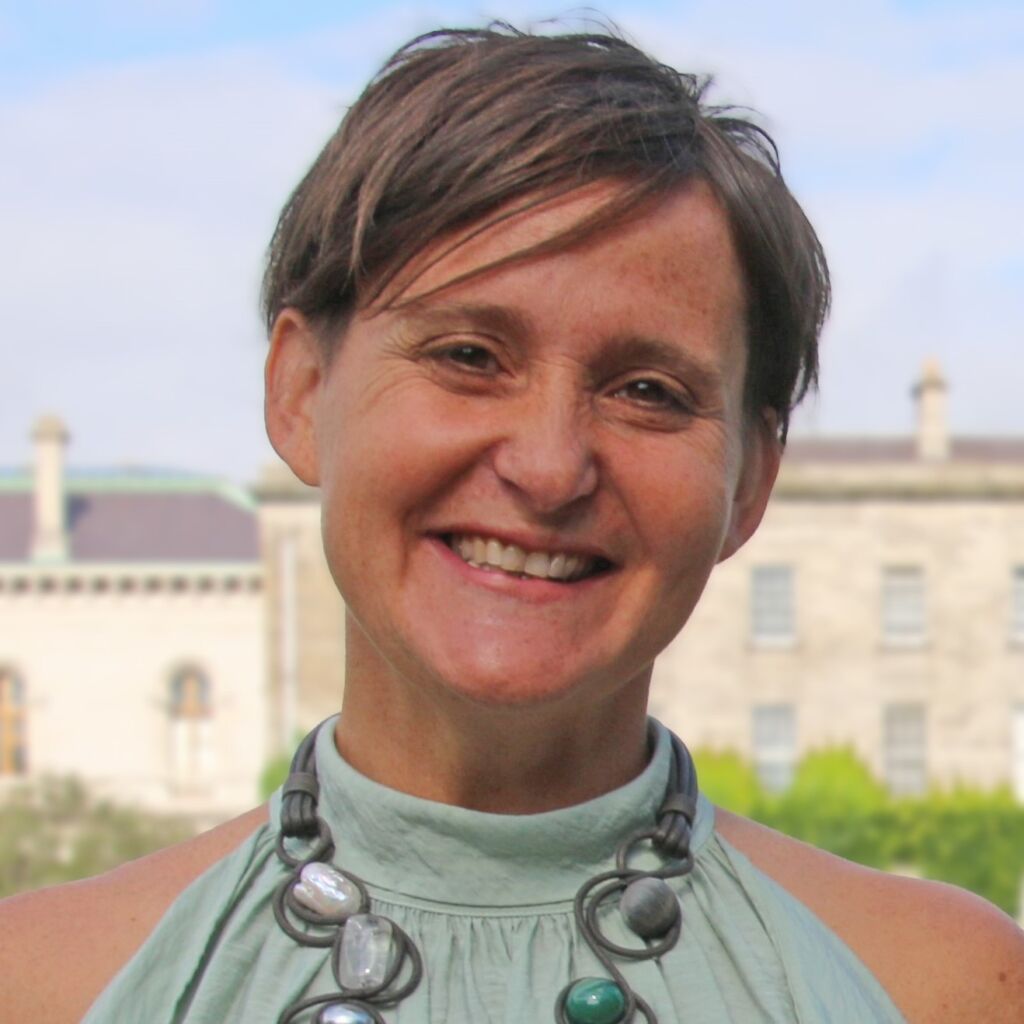
Dr Gaia Scalabrino
Dr Gaia A. Scalabrino, NatPro Executive Director, NatPro Trinity Centre for Natural Products Research, Trinity College Dublin, Ireland
Dr Gaia Scalabrino is a life science professional with strategic and operations experience in product development, management and sustainability practices across the private and public sectors.
Dr Scalabrino is the Executive Director of NatPro, Trinity Centre for Natural Products Research, at the School of Pharmacy and Pharmaceutical Sciences in Trinity College Dublin, Ireland. Gaia is also on the Board of Directors of the International Society for Medicinal Plant and Natural Product Research, with reach over 90 countries. In Ireland, she is a member of the Steering Group of the Irish Bioeconomy Forum, driven by Irish government, engaging in national bioeconomy policy implementation. She is an early adopter of sustainability practices in Ireland, including My Green Labs and B Corp (she is a B Leader).
Gaia is passionate of transforming innovation into sustainable commercial opportunities to benefit health and building business good practices. In her role of Operations and Pharmaceutical Management Consultant at HiTech Health Ltd, she advised SMEs based in EU and US to support their business growth and product development portfolio. As Vice President of Operations and Quality at Trino Therapeutics Ltd, Gaia led the biotech start-up from research to clinical development in the area of GI inflammation.
Gaia has a Ph.D. in Natural Products Organic Chemistry and postgraduate qualifications in business, project management and regulations. She is a globe trotter and a triathlete. She enjoys photography and writing. Gaia was raised in a multi-cultural environment, living in Italy and Kenya, she then moved to U.K. and currently lives in Ireland.

Raymond Schiffelers
Raymond Schiffelers, Professor of Nanomedicine, University Medical Center Utrecht, The Netherlands
Raymond Schiffelers studied Bio-Pharmaceutical Sciences at Leiden University (1990-1995). After an industrial traineeship at SmithKline Beecham Pharmaceuticals (UK) he did his PhD at Erasmus University Rotterdam on liposomal targeting of antimicrobial agents (1996-2001). Subsequently he became post-doc at Utrecht University working on liposomes targeting tumor vasculature. In 2002-2003, at Intradigm Co (USA) he moved to delivery of RNA. After his return to Utrecht University he became assistant and then associate professor. He received an ERC Consolidator Grant in 2010 to investigate extracellular vesicles as biological drug delivery systems for RNA. After he moved to University Medical Center Utrecht in 2011 he became professor of nanomedicine working on bio-inspired and synthetic drug delivery systems. He coordinates a H2020 project (EXPERT (15 M€), a Horizon Europe project, NANO-ENGINE (3 M€), and an NWA-ORC project NANOSPRESSO-NL (9 M€), all devoted to RNA delivery. He is editor for the International Journal of Pharmaceutics, Journal of Controlled Release and Journal of Extracellular Vesicles, and is founder of EXCYTEX-an extracellular vesicle-based company. Since 2021 he also works part-time for Nanocell Therapeutics as VP Preclinical R&D and has been elected president of the European Technology Platform Nanomedicine since 2021.

Luke Scrivens
Luke Scrivens (MChem), Associate Principal Scientist for Predictive Stability, AstraZeneca UK Ltd, Global Product Development, UK
Luke is a specialist in the modelling of pharmaceutical material degradation for drug substance and drug product. He works as the Associate Principal Scientist for Predictive Stability and is responsible for setting the Predictive Stability strategy for projects throughout clinical development towards commercial regulatory applications. He is responsible for implementing the use of modelling to support regulatory filings for stability risk assessment and assignment of shelf-life of pharmaceutical products.

Professor Philipp Seib
Professor Philipp Seib, Friedrich Schiller University Jena, Germany
Philipp is a registered pharmacist and holds the Chair in Pharmaceutical Technology and Biopharmaceutics at the Friedrich Schiller University Jena, Germany. He is a Heisenberg Professor and has a secondment at the Fraunhofer Institute for Molecular Biology and Applied Ecology IME Branch for Bioresources.
He obtained his BPharm and MSc from King’s College London and his PhD (2005) in drug delivery from Cardiff University. He conducted postdoctoral research at the Technical University Dresden (Germany) and Tufts University (Boston, USA). Philipp held his first academic lecturer position at the Strathclyde Institute of Pharmacy and Biomedical Sciences, University of Strathclyde, Glasgow UK, where he rose to Reader in Pharmaceutical Materials. He is a Fellow of the Academy of Pharmaceutical Sciences, a Fellow of the Higher Education Academy and a Fellow of the Royal Society of Chemistry. His research interest lies at the interface of cell biology, drug delivery and material science. His research mission involves top-down, challenge-based activities centred on developing pharmaceutical materials for healthcare technologies, with the ultimate goal of improving patient outcomes.

Purav Shah
Purav Shah (M.Sc. (Hons), B. Pharm), Chief Scientific Officer, Thoroughbred Remedies Manufacturing. TRM, Ireland
Purav Shah currently serves as the Chief Scientific Officer at TRM, Ireland, one of Europe’s largest manufacturers and distributors of equine supplements. A distinguished (bio)pharmaceutical science researcher, formulator, and tech-transfer expert, he brings a wealth of expertise in novel product development (NPD), scale-ups, and analytical research. Purav is a national and university gold medalist in his Bachelor of Pharmacy program and holds a First-Class Honours Master’s degree in Pharmaceutical Sciences from Trinity College Dublin, Ireland.
With over four years of industry experience, Purav has successfully developed seven new products, currently valued at over €6 million in the global market. His leadership in R&D & innovation strategy has garnered widespread industry recognition, including the prestigious ‘Best New Product of the Year 2023’ award at the British Equestrian Trade Association (BETA) Awards across the UK for one of his developed products.
Purav’s achievements have been recognized through a series of esteemed honours, such as the Prof. M. L. Shroff Medal (2019) from the Indian Pharmaceutical Association (IPA), the Indian Drug Manufacturers Association (IDMA) J. B. Mody Excellent Performance Award (2020), and the T. N. Vasudevan Award (2020) for academic excellence. He was also awarded the ‘Best All-Star’ Title at the American Association for Precision Medicine (AAPM) ACT2HACK COVID-19 Hackathon (2020) for developing an AI-based diagnostic technique, among other innovation and excellence accolades.
Beyond his commercial success, Purav is a prolific author, having contributed over 10 research articles, review articles, book chapters, and newsletters. He also serves on the committee of the United Kingdom & Ireland Controlled Release Society (UKICRS). Passionate about translating research into real-world applications, Purav continues to lead advancements in drug delivery systems, innovation, and affordable healthcare solutions.

Dr Vahid Heravi Shargh
Dr Vahid Heravi Shargh, Department of Materials, Design and Manufacturing, School of Engineering, University of Liverpool, UK
I have a PharmD from the Mashhad University of Medical Sciences in Iran, a PhD in Pharmacy from the University of Newcastle in Australia, with several postdoctoral research experiences at the University of Nottingham (2017-2021), University of Manchester (2021-2023) and University of Liverpool (2024 onward). Throughout my research career, I have successfully contributed to and led several high-profile translational projects with world leading scientists/clinicians and industry partners (AstraZeneca/Aerogen®). My role was instrumental in development of targeted/controlled release systems for drug/gene/vaccine delivery and deeper understanding of the nano−bio interface interactions and pharmacokinetic-pharmacodynamic preclinical evaluations. These internationally research contributions and collaborations in Iran (2008-2013), Australia (2013-2017), and UK (since 2017) have been globally recognised so far with 613 citations (ORCID iD: orcid.org/0000-0002-6388-9877).

Xinai Shen
Xinai Shen, School of Pharmacy, University of Nottingham, NG7 2RD, Nottingham, UK
Xinai Shen is currently a PhD student at University of Nottingham. She is a researcher specializing in drug delivery systems penetrating the Blood-Brain Barrier (BBB). Her research focuses on developing oligonucleotide therapeutics targeting the MAPT gene. This gene encodes the tau protein, which plays a crucial role in Alzheimer’s disease (AD) through its abnormal hyperphosphorylation and formation of neurofibrillary tangles. Her current research aims to develop delivery systems with enhanced BBB permeability, potentially improving the treatment of AD.

Francisca Soares
Miss Francisca Soares, PhD candidate, University College Cork, UK
Francisca Soares is a PhD student at University College Cork, holding a Master’s degree in Regenerative Medicine from Queen Mary University of London. She completed a research internship at the I3S Institute in Porto, where she first got introduced to the field of drug delivery. Her current research, as part of the GENEGUT project, investigates the use of cyclodextrins as novel delivery vehicles for RNA-based therapies targeting Crohn’s disease. Her broader interests include nucleic acid therapies and innovative drug delivery systems.

Boluwatife Sowunmi
Boluwatife Sowunmi, PhD Candidate, Faculty of Engineering and Science, University of Greenwich, UK
Boluwatife Sowunmi is a PhD candidate in Biotechnology with a background in microbiology and medical laboratory science. Her current research focuses on the use of biodegradable polymers for enhancing the therapeutic delivery of plant-based compounds, particularly in liver disease models. She has a keen interest in the intersection of nanotechnology, herbal medicine, and translational research.

Sirirat Sriraksa
Sirirat Sriraksa, PhD Student, School of Chemistry, Food and Pharmacy, University of Reading, UK
Sirirat Sriraksa is a PhD student in the School of Chemistry, Food and Pharmacy at the University of Reading, UK. Her research focuses on the development of polymeric microneedles for transdermal drug delivery, with an interest in fabrication methods and evaluation of drug release through the skin.
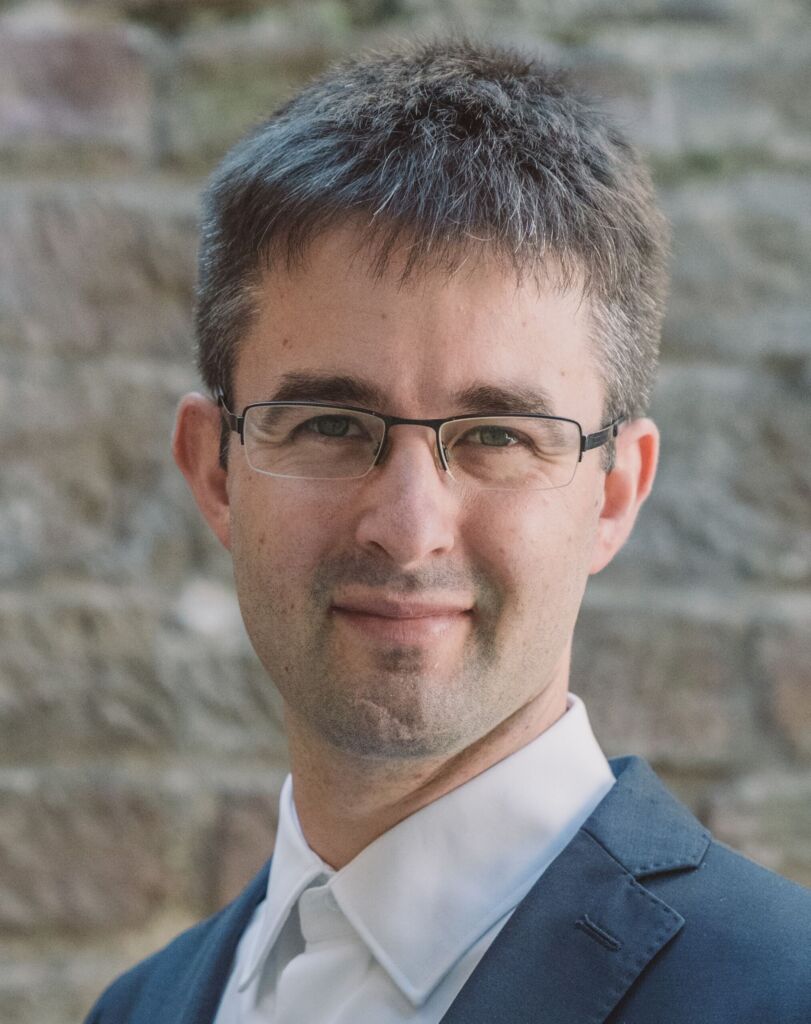
Dr Felix Stader
Dr Felix Stader PhD, Certara Predictive Technologies, UK
Felix Stader is an Associate Principal Scientist at Certara UK. Following his studies in biology and pharmaceutical science, Felix investigated the impact of advanced age on the pharmacokinetics and drug-drug interaction magnitudes, using a physiologically based pharmacokinetic model coded in Matlab during his PhD.
At Certara UK, Felix worked extensively on the biologics models of the Simulator including subcutaneous dosing of therapeutic proteins, oligonucleotides, and the possibility to simulate therapeutic protein disposition in children. Additionally, Felix has broad experience in developing population and compound files.

Mike Tobyn
Mike Tobyn, PhD, Senior Scientific Director, Materials Science and Engineering, Bristol Myers Squibb, UK
Mike has worked for BMS for 20 years and is part of Materials Science and Engineering function within Drug Product Development (Product Development and Supply). His team is based in Moreton, England.
Their function is to look at all small molecule assets, from Discovery through to Manufacturing, and assess the characteristics, and using data to predict and understand their performance in solid oral dosage forms. The work involves analytical science and big data analysis, and Mike has co-edited book on the use of Multivariate Data Analysis in the Pharmaceutical Industry.
Mike has worked extensively in the area of excipients and is a member of the USP Committee on Excipient Test Methods and is an advisor to the Handbook of Pharmaceutical Excipients.
A Registered Pharmacist, Mike trained in Pharmacy at the University of Strathclyde, and took his PhD there in 1994. Mike taught Pharmaceutical Technology at the University of Bath and at the University spin-out company Vectura, where he was with the company from inception through to IPO.
In 2019 Mike was elected as the Eminent Fellow of the Academy of Pharmaceutical Sciences for his contribution to the field of Pharmaceutical Technology in the UK and across the world. He has published more than a 100 peer reviewed papers.

Malina Tofan
Miss Malina Tofan, Queen’s University Belfast, UK
Miss Malina is a 2nd year PhD student at the School of Pharmacy, Queen’s University Belfast researching Minimally Invasive Delivery of a Novel Potent Anti-Inflammation SoloMER Biologic using Microarray Patches.

Yashika Tomar
Yashika Tomar, Ph.D. Research Scholar, Department of Pharmacy, Birla Institute of Technology & Science (BITS) Pilani, Pilani Campus, Rajasthan, India
Ms Yashika Tomar is a Ph.D. research scholar in the Department of Pharmacy at BITS Pilani, specializing in lipid-based nanocarriers combined with cold plasma for targeted psoriasis treatment. She holds a Master’s degree in Pharmaceutics with distinction and has published in reputed international journals. Her expertise includes formulation development, Quality-by-Design approaches, skin pharmacokinetics, and preclinical models. She also completed an interdisciplinary, Government of India-funded project as a Project Research Scientist-I on early diagnosis and treatment monitoring of psoriasis using a optical PSD based diagnostic tool. She is actively engaged in interdisciplinary research and scientific outreach.
Dr Kevin Treacher
Dr Kevin Treacher, Principal Scientist, Global Product Development, Pharmaceutical Technology & Development, AstraZeneca, Macclesfield, UK
Kevin is an expert in drug development, Formulation and Materials Science with a thirty year legacy of delivering high quality research and drug products to the market. He is a chemist by training and obtained a masters degree in Polymer Materials Science and Ph.D. at Manchester University. Kevin joined AZ in 2007, having already gained broad experience in a variety of effect materials whilst working at Zeneca Specialties, Avecia, Covion and Reaxa. Since Joining AstraZeneca Kevin has focused on delivering understanding of the key role of materials in the formulation development of innovative medicines, in addition to Analytical and Formulation Science work to deliver development projects. Key achievements have included understanding complex parenteral formulations based on nanoparticles using biocompatible polymer and dendrimer drug delivery systems, including their interaction and aggregation behaviour with formulation components and proteins and the impact in relation to in-vivo risk assessment. Additionally he has delivered new approaches to in-silico formulation design for oligonucleotides and lipidated peptides. He has also played a key role in delivering the Control Strategy and marketing submissions for several drug products with complex manufacturing processes and control strategies.

Boyan Wang
Boyan Wang, Postgraduate Researcher, School of Pharmacy, Queen’s University Belfast, UK
Boyan Wang is the third year PhD student at the school of pharmacy, Queens’ University Belfast, Northern Ireland, United Kingdom. His research focuses on hydrogel microneedles for transdermal drug delivery systems. He is dedicated to the development of novel hydrogel microneedle materials based on natural polymers.
Professor Laura Waters
Professor Laura Waters, University of Huddersfield, UK
Laura is Professor of Pharmaceutical Analysis within the School of Applied Sciences and currently Strategic Lead (Associate Dean) for Research and Enterprise. Laura is heavily involved in the Royal Society of Chemistry and a current member of the JPAG committee.
Laura has an active research group investigating phenomena at the interface of chemistry and pharmaceutics, developing analytical techniques, characterising chemical interactions and enhancing formulations, all funded through external sources. Her work in the area of public engagement includes public lectures and media presentations and she has appeared on BBC1, BBC2, BBC3, Sky, Radio 3, Channel 4 and Channel 5.

Dr Lisa White
Dr Lisa White, Associate Professor in Biomaterials and Regenerative Medicine, University of Nottingham, UK
Dr Lisa White is an Associate Professor at the University of Nottingham (UoN). Prior to Lisa’s appointment at UoN, she held two prestigious fellowships including a Marie Curie International Outgoing Fellowship (FP7-PEOPLE-2013-IOF) at the University of Pittsburgh, USA and an Anne McLaren Fellowship at UoN. Lisa’s research interests are centred on the development of novel decellularized materials from bone and other tissues, development of injectable extracellular matrix materials and the exploitation of supercritical fluids to provide alternative ‘clean, green’ techniques for generation of biomaterials.
Alongside this, Lisa pursues research in controlled delivery strategies for growth factor release and to improve cell engraftment. With collaborator Professor Shareen Forbes, Lisa was awarded a Type 1 Diabetes Grand Challenge Award, April 2024, to pursue development of microparticles to improve islet engraftment.
Dr Leon F. Willis
Dr Leon F Willis MRSC, Astbury Centre for Structural Molecular Biology, School of Molecular and Cellular Biology, University of Leeds, UK
I graduated with an MChem in Biological Chemistry from the University of Sheffield in 2014. I then joined the labs of Profs David Brockwell, Sheena Radford, Nik Kapur and Alison Ashcroft as a PhD student at the University of Leeds, graduating in 2018. I have stayed in the same groups for my postdoctoral research, funded by the EPSRC (Doctoral Prize Fellowship and now as researcher Co-I) and multiple industrial collaborators. My research focusses on fundamentally understanding how hydrodynamic forces promote the aggregation of therapeutic antibodies, then combining this knowledge with other biophysical assays to aid the manufacture of these molecules. I have recently developed an analytical framework to analyse and condense the outputs from these varied biophysical tests.

Yunfei Zhong
Yunfei Zhong, University of Nottingham, Nottingham, UK
I have completed BSc pharmaceutical preparation in China and MSc pharmaceutical analysis in Queen’s University Belfast. I am the final year PhD student of University of Nottingham now. My research focused on the intestinal lymphatic transport of lipophilic prodrug/codrug.

Yufei Zhu
Yufei Zhu, School of Pharmacy, University of Nottingham, Nottingham, UK
3rd year PhD student in School of Pharmacy, University of Nottingham. 2024 Young Lipid Scientist Award (YLSA). His project focus on novel lipid-based formulations for improved bioavailability and intestinal lymphatic transport of cannabidiol. He also focuses on the treatment of inflammatory bowel disease through lymphatic pathway. He is under the supervision of Dr Pavel Gershkovich.
If you have any questions please send us an email to info@apsgb.co.uk and one of our team will come back to you.