

APS Sponsors


Speakers
PharmSci 2026 Speakers and Session Chairs
We bring together academic and industry experts and thought leaders to share their knowledge and expertise. Our speakers are carefully selected to provide attendees with the most valuable and relevant information.
Click on links below to view bios of Speakers and Session Chairs:


Gerov
Astron

Plenary and Award Speakers
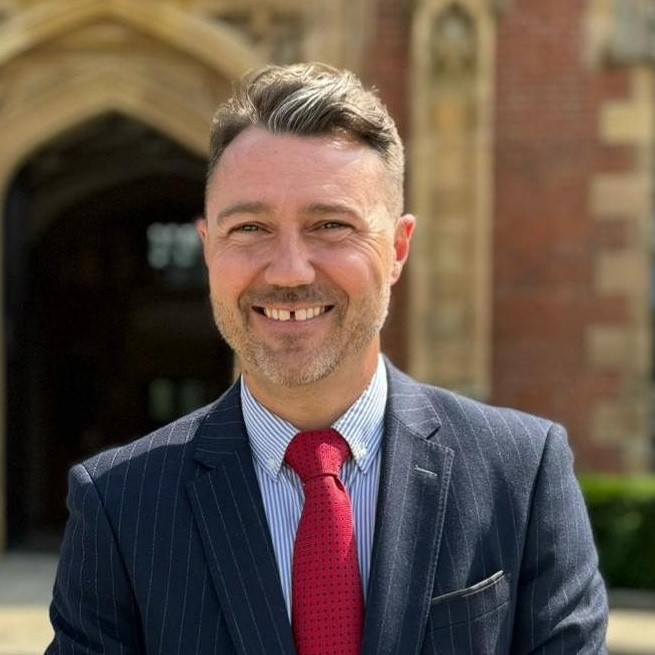
Professor Gavin P. Andrews
Professor Gavin P. Andrews, Head of School of Pharmacy, Queen’s University, Belfast, Ireland
Professor Gavin Andrews is Head of the School of Pharmacy at Queen’s University Belfast and Chair of Pharmaceutical Engineering. He is internationally recognised for his research in advanced drug delivery, biomaterials, and novel dosage form design. Professor Andrews has published extensively and leads major collaborative projects transforming pharmaceutical sciences and education.
Back to Top of Page

Dr Kofi Asare-Addo
Dr Kofi Asare-Addo, Reader in Pharmaceutics, Admissions Tutor for Pharmacy (MPharm), University of Huddersfield, UK and APS Chair 2026/2027, UK
Kofi became a Fellow of the Higher Education Academy in 2014. His research area includes UV Imaging in pharmaceuticals, particle engineering, drug-clay complexations for oral controlled release formulation applications and solubility enhancements (solid dispersions, salts and cocrystals). His work has been presented both nationally and internationally at various pharmaceutical science conferences. Kofi successfully collaborates with other universities and several pharmaceutical industries.
Back to Top of Page
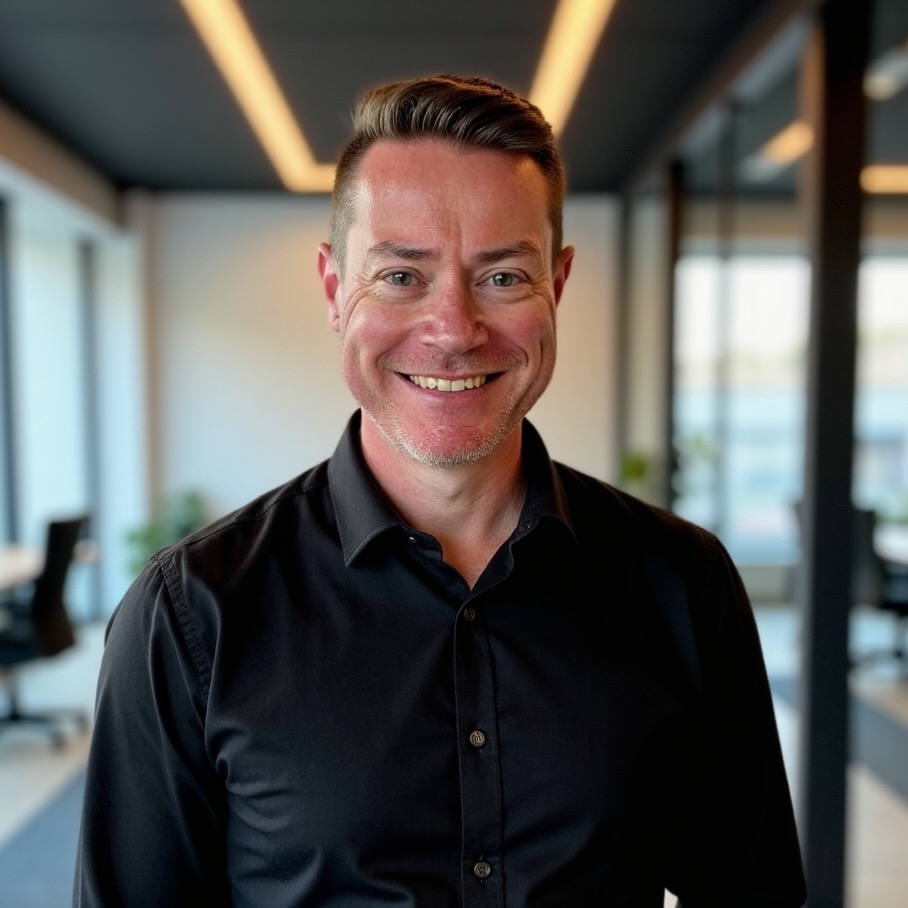
Professor Simon Gaisford
Professor Simon Gaisford, University College London, UK
Professor Gaisford is Vice-Dean (Impact & External Engagement) for the Faculty of Life Sciences, and holds a Chair in Pharmaceutics, at University College London. He joined UCL School of Pharmacy in 2003, having previously been a Lecturer in Pharmaceutical Science at the University of Huddersfield. He has published more than 250 papers (h-index 83 with >27,000 citations) and 4 books, has made the Clarivate Highly Cited Researcher list every year since 2019, is the Presenter of the educational YouTube channel Pharma Drama (with more than 50,000 subscribers) and is a Fellow of the Royal Society of Chemistry.
Back to Top of Page
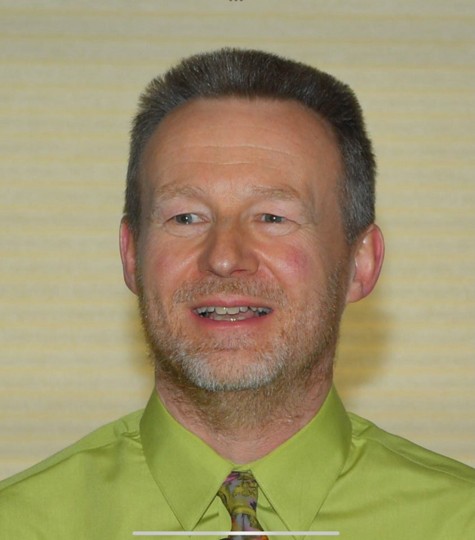
Bruno C. Hancock
Bruno C. Hancock, PhD., Vice President, Aleurites LLC, UK
Bruno C. Hancock is a pharmaceutical industry consultant and the former head of materials science at Pfizer Inc. He holds a BPharm from the University of Bath, UK and a Ph.D. in Pharmaceutical Technology from the University of Bradford, UK. Before working as a consultant, he held a post-doctoral research appointment at the University of Wisconsin and worked at ICI Pharmaceuticals (now Astra Zeneca), Merck Frosst & Co. and Pfizer Inc. He has worked in the areas of formulation development (focused on spray dried dispersions), powder technology, pharmaceutical materials science, drug product process development & technology transfer, and computational drug product design. Bruno has published over one-hundred-and-thirty full research papers and several patents. He has served as an advisor to the United States Pharmacopoeia on the use and testing of pharmaceutical materials since 1995 and was the recipient of the Royal Pharmaceutical Society of Great Britain Science Medal in 2000 for his contributions to pharmaceutical research. He was elected to Fellow status in the American Association of Pharmaceutical Scientists in 2004. He has been an Editor for the Journal of Pharmaceutical Sciences since 2014, and he currently serves as a co-editor for the Handbook of Pharmaceutical Excipients.
Back to Top of Page
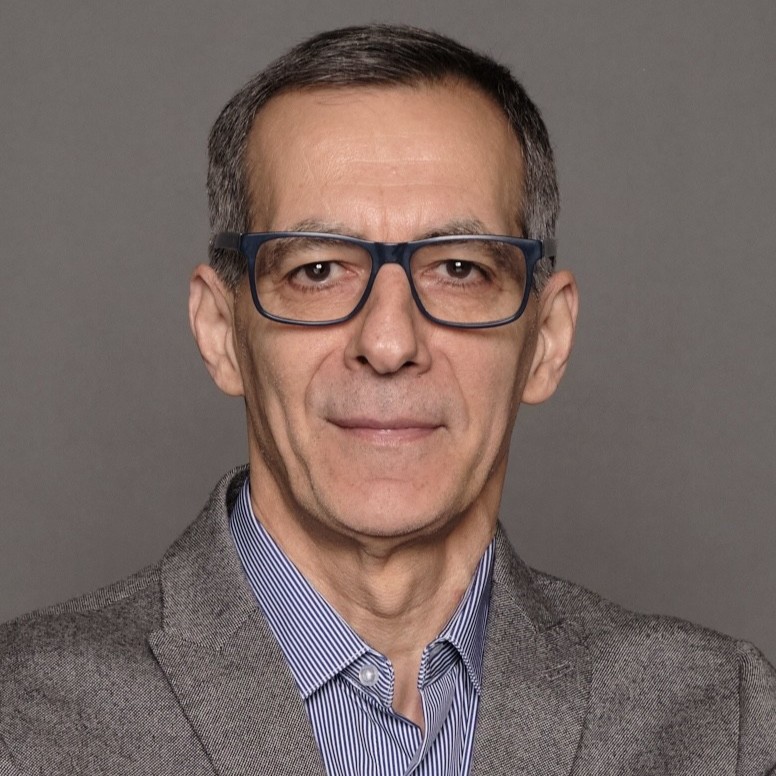
Ali Nokhodchi
Ali Nokhodchi, Director of Materials Characterizations (Lupin Research Inc., Coral Springs, Florida, USA) and Emeritus Professor (University of Sussex, UK)
Ali Nokhodchi is a highly accomplished pharmaceutical scientist with an extensive career spanning academia and industry. He earned his pharmacy degree in 1989 and completed his PhD in Pharmaceutics and Pharmaceutical Technology at Liverpool John Moores University, UK, in 1996. He is an Emeritus Professor at the University of Sussex, UK, and currently serves as Director of Material Characterization at Lupin Research Center, Florida, USA.
Nokhodchi’s research interests encompass formulation science, particle engineering of excipients and active pharmaceutical ingredients for pulmonary and oral drug delivery, dissolution enhancement, 3D printing, nanomedicine and controlled-release formulations. He has authored more than 450 peer-reviewed research articles, 10 book chapters, and a book. As of July 2026, Professor Nokhodchi has an H-index of 80, with his publications receiving over 21,000 citations. He serves as Associate Editor for several leading pharmaceutical journals and is a member of the editorial boards of more than ten international journals in the pharmaceutical sciences.
He is the inventor of four patents in pharmaceutical formulation technologies, including the innovative Liqui-Pellet® technology. Throughout his distinguished career, he has supervised 20 PhD students and more than 100 MPharm, MSc, and PharmD research projects.
In recognition of his outstanding contributions to pharmaceutical sciences, he was elected a Fellow of the Academy of Pharmaceutical Scientists (UK) in 2018. He also received the High Impact Award at the AAPS 360 Conference held in Orlando, Florida, USA, in 2023. Since 2016, he has consistently been recognized among the world’s top 1% of scientists in the field of Pharmacy and Pharmacology by Clarivate’s Essential Science Indicators.
Back to Top of Page
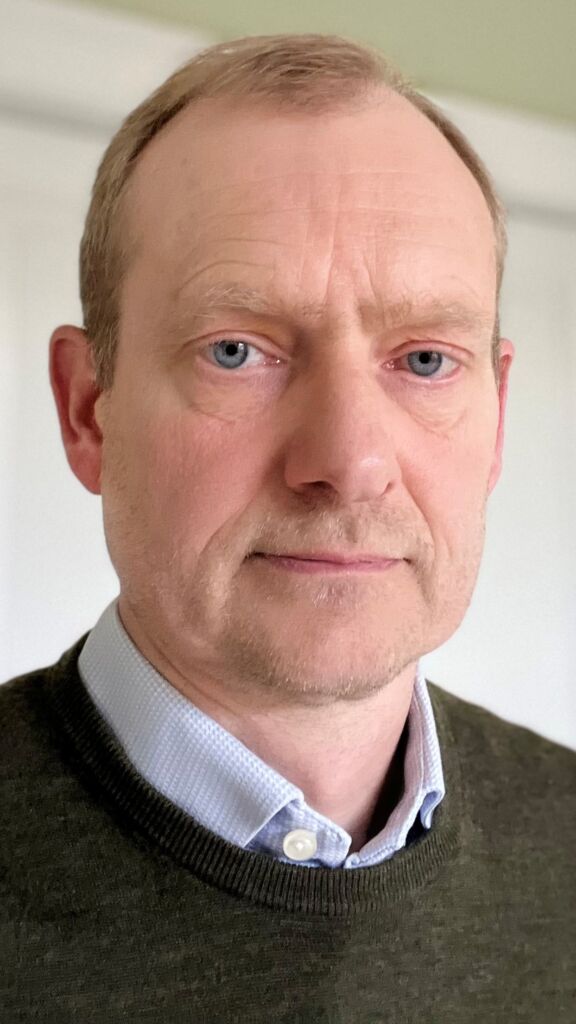
Professor Jesper Østergaard
Professor Jesper Østergaard, Professor of Pharmaceutical Physical Chemistry, Ph.D., M.Sc. (Pharm), Department of Pharmacy, University of Copenhagen, Denmark
Jesper Østergaard is Professor of Pharmaceutical Physical Chemistry at the Department of Pharmacy, University of Copenhagen. He is a trained pharmacist (1999) and earned his Ph.D. in pharmaceutics from University of Copenhagen in 2003, focusing on molecular interaction studies and prodrug design. He subsequently joined the Department of Pharmacy as Assistant Professor in 2003, Associate Professor in 2006, and has served as Professor since 2019.
His research centers on developing methods for the physical-chemical characterization of drug substances and delivery systems, with particular emphasis on drug transport and release. A major focus is the advancement of analytical techniques for in vitro release testing, particularly for injectable formulations, often incorporating UV imaging. An additional area of interest is the investigation of molecular interactions and stability, especially as they relate to profiling drug substances using capillary-based methods such as Taylor Dispersion Analysis (TDA), Flow‑Induced Dispersion Analysis (FIDA), and Capillary Electrophoresis (CE).
Professor Østergaard has published more than 150 scientific papers and is the co-founder of two spin-out companies from the University of Copenhagen.
Back to Top of Page
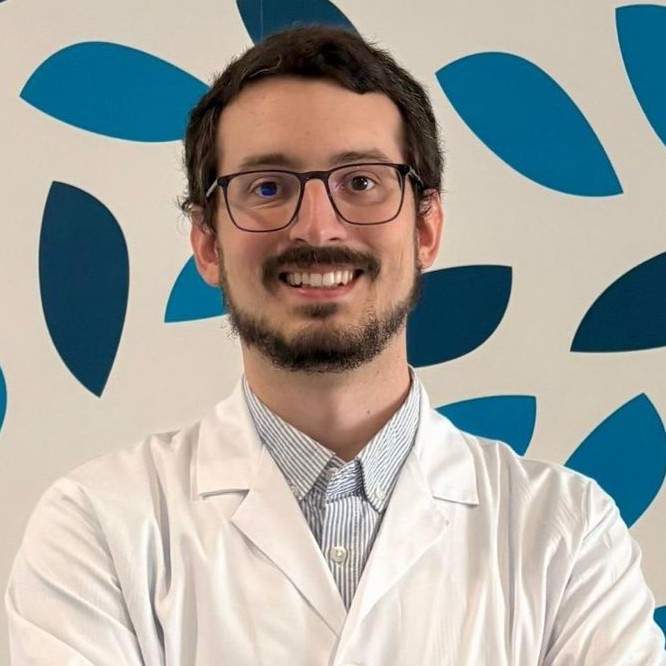
Juan Luis Paris
Juan L Paris, Principal Investigator, IBIMA Plataforma BIONAND. Allergy Unit, Regional University Hospital of Málaga, Spain
Juan Luis Paris is a Principal Investigator at IBIMA Plataforma BIONAND in Málaga (Spain), where he leads an independent research line on nanomedicine for diagnostics and therapy, with a particular focus on allergic and immune-related diseases. He obtained his PhD in Pharmacy from the Universidad Complutense de Madrid in 2017 and has since developed an international and interdisciplinary research profile through positions at the International Iberian Nanotechnology Laboratory, Queen’s University Belfast, and research stays at the University of Oxford and Harvard Medical School. His multidisciplinary training in materials science, pharmaceutical technology, physical chemistry, stem cell biology, acoustic engineering and immunology has enabled him to develop innovative solutions that bridge fundamental science with translational medicine. He has authored 43 peer-reviewed publications, including work in leading journals such as Nature Biomedical Engineering, Nature Communications, ACS Nano, and Allergy, with over 2,500 citations and an h-index of 22. He has secured competitive funding as principal investigator exceeding €2.5 million, including a recent ERC Starting Grant, and currently leads a multidisciplinary team of postdoctoral researchers and PhD students.
Back to Top of Page
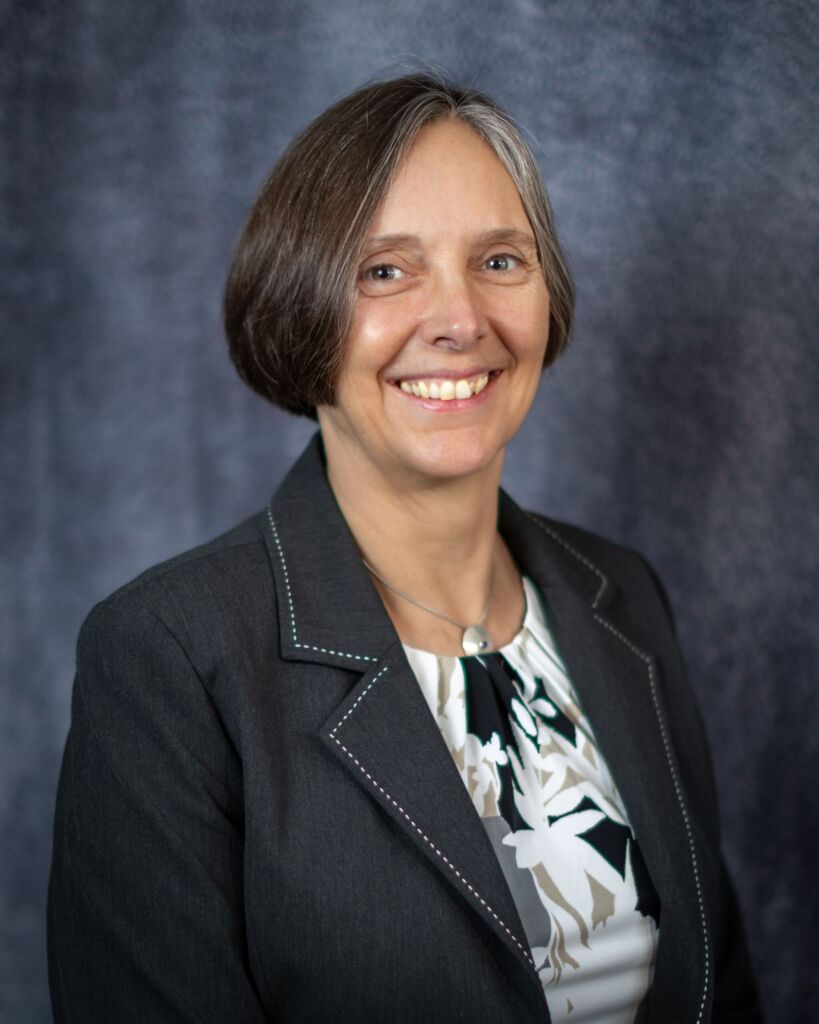
Lynne S. Taylor
Lynne S. Taylor, Retter Distinguished Professor of Pharmacy, Industrial and Molecular Pharmaceutics, Purdue University, USA
Lynne S. Taylor is the Retter Distinguished Professor of Pharmacy in the Department of Industrial and Molecular Pharmaceutics, Purdue University. Prior to moving to academia, she spent several years working at AstraZeneca in Sweden developing new drugs. Lynne received a Bachelor of Pharmacy degree with First Class Honours from the University of Bath in the UK. Her PhD was undertaken at the University of Bradford, UK, in the area of Pharmaceutical Technology. After her PhD, Lynne was a postdoctoral researcher at the University of Wisconsin-Madison, US. Research in Lynne’s group is directed toward exploring the science underlying the preformulation, formulation and manufacturing of drugs and other bioactive substances, with a particular focus on poorly water-soluble compounds. She has published more than 390 peer reviewed articles. Lynne has received a number of awards including the Coblentz Society Craver Award in Applied Vibrational Spectroscopy (2014), the Ebert prize for the best manuscript in the Journal of Pharmaceutical Sciences (2012, 2025), the Dale E. Wurster Research Award (2020), the UW-Madison School of Pharmacy Citation of Merit Award (2024) and the Research Ireland St. Patrick’s Day Medal (2026). Lynne is a Fellow of the Royal Society of Chemistry and the American Association of Pharmaceutical Scientists, holds an honorary doctorate from Uppsala University, and is editor-in-chief of the ACS journal, Molecular Pharmaceutics.
Back to Top of Page
Parallel Science Session Chairs and Speakers

Dr Mohamed A. Alhnan
Dr Mohamed A. Alhnan BPharm, PhD, MRPharmS, FHEA, Reader in Innovative Pharmaceutics, King’s College London, Faculty of Life Sciences and Medicine, School of Cancer and Pharmaceutical Sciences, UK
Mohamed A. Alhnan is a Reader in Innovative Pharmaceutics at the Institute of Pharmaceutical Science (IPS), King’s College London (KCL). His research focuses on applying the latest advances in material science and electronics in the pharmaceutical field. His fundamental research led to several world firsts; first example of using pharmaceutical grade polymers in fused deposition modelling (FDM) 3D printing (3DP) , first 3D printed tablets to meet the US and British Pharmacopoeias for delayed release products, and first examples of 3DP of liquid-filled capsules. He introduced and patented the innovative concept of tablets of complex architecture as a solution for fast disintegration and dissolution (WO2017072536A1) and invented a novel approach for polymer extrusion under low temperature (WO2016038356A1). Dr Alhnan (h-index 37) has published >60 peer-reviewed articles, 25 of which focus on manufacturing dosage forms using innovative technologies and generated over £3.5M from research council grants (EPSRC), MRC, Innovate UK and industrial collaborations.
Back to Top of Page
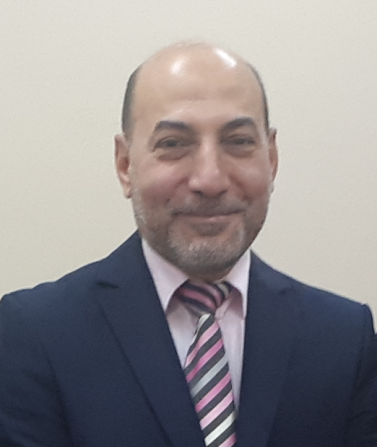
Professor Myasar Al-kotaji Dean
Professor Myasar Al-kotaji Dean, College of Pharmacy, Ninevah University, Mosul, Iraq
Professor Myasar Al-kotaji is the Dean of the College of Pharmacy at Ninevah University, Mosul, Iraq, with nearly three decades of academic, research, and leadership experience in pharmaceutical sciences. Throughout his career, he has been actively involved in higher education, contributing to undergraduate and postgraduate teaching, curriculum development, academic administration, and scientific research.
Professor Al-kotaji obtained his Bachelor of Pharmacy degree from the University of Mosul, followed by a Master’s degree in Pharmaceutics from the University of Baghdad. He earned his Ph.D. from the University of Manchester, United Kingdom. In 2019, he completed a postdoctoral fellowship at the School of Pharmacy, (UCL), United Kingdom.
His research interests focus on pharmaceutical formulation and drug delivery systems, particularly solid dosage forms, ophthalmic drug delivery, nanotechnology-based therapeutics, and the delivery of macromolecules and biomolecules. His work aims to advance innovative pharmaceutical technologies that improve drug efficacy, stability, and patient outcomes.
Back to Top of Page
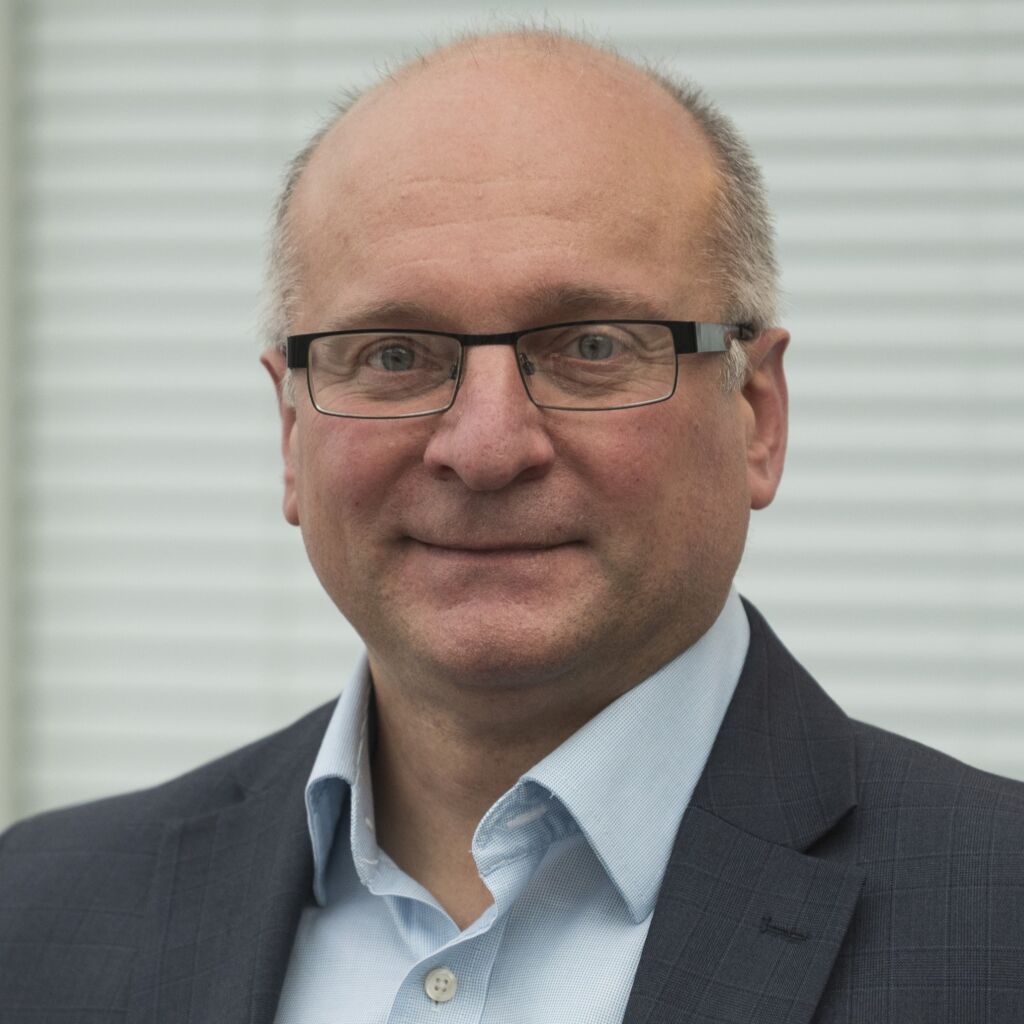
Dr Milan Antonijevic
Dr Milan Antonijevic, RSC, MAPS, FHEA, Associate Professor in Pharmaceutical Sciences, Programme Director for MSc in Pharmaceutical Sciences, School of Chemistry & Chemical Engineering, University of Surrey, Guildford, UK
Dr Milan Antonijevic obtained a BSc Hons in chemistry from the School of Chemistry, University of Belgrade, Serbia in 1997. He then spent just over four years working in the quality control department (physicochemical characterisation) of Hemofarm, the leading pharmaceutical company in Serbia. His subsequent career step involved a move to the UK and the continuation of his education.
Milan studied pharmaceutical materials science under the supervision of Dr Susan A Barker and Professor Duncan Q M Craig. He was awarded a PhD at the School of Pharmacy, Queen’s University Belfast in 2005.
His first faculty post was at the School of Chemical Sciences and Pharmacy, University of East Anglia, in 2004 as a senior demonstrator. His first permanent faculty post as a lecturer at the School of Science, University of Greenwich, started in 2006, progressing to senior lecturer and Programme Leader for BSc Hons Chemistry in 2008 and subsequently becoming a principal lecturer and programme leader for MSc Pharmaceutical Science in 2010. He then moved to the University of Surrey in 2023 with the aim to establish a new MSc Programme in Pharmaceutical Science with Industrial Practice.
Back to Top of Page
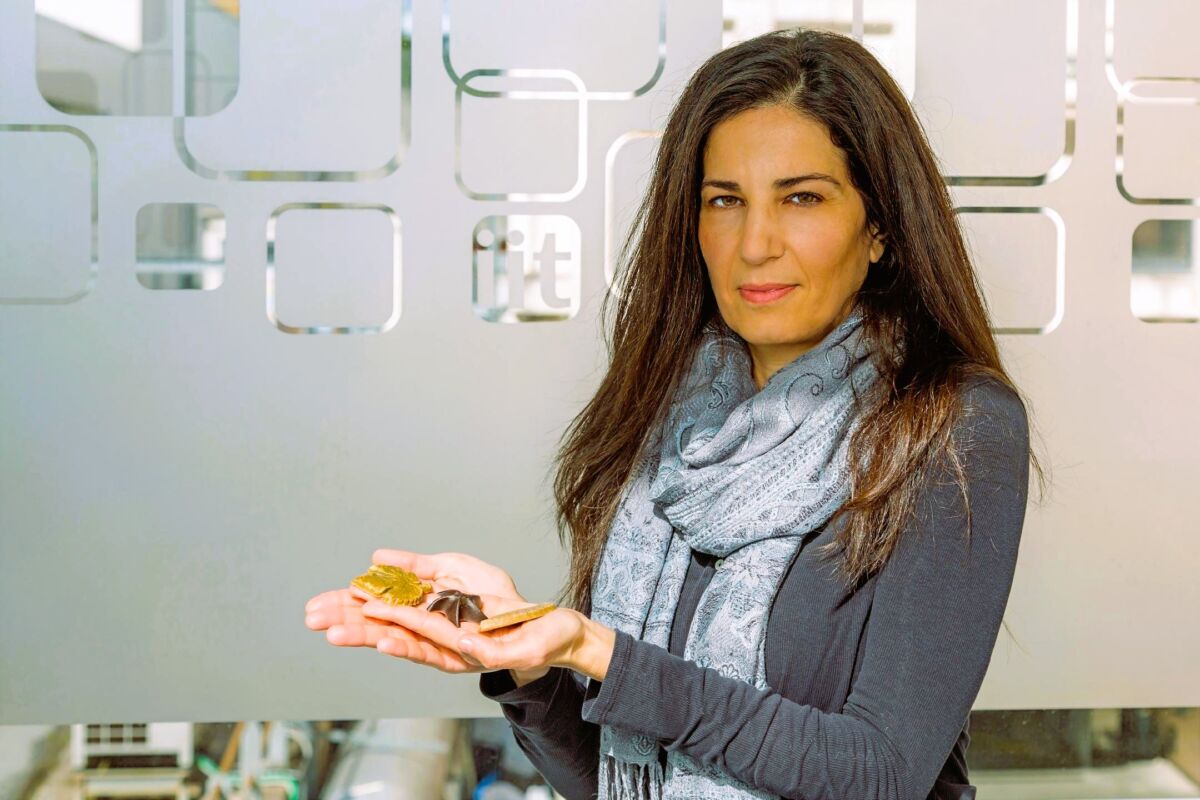
Dr Athanassia Athanassiou
Dr Athanassia Athanassiou, Italian Institute of Technology, Italy
Athanassia Athanassiou is a Principal Investigator at the Istituto Italiano di Tecnologia (IIT) in Genoa, where she leads the Smart Materials Group. She also serves as Associate Director for the Nanomaterials Domain and, since August 2025, as Vice Scientific Director of the Institute.
She earned a Physics degree from the University of Ioannina (Greece), an MSc in Laser Photonics from the University of Manchester, and a Ph.D. in Physics from the University of Salford (2000), supported by British Nuclear Fuels Limited.
From 2000 to 2005, she worked at FORTH in Crete as a postdoctoral and collaborating researcher, while also holding an academic role at the Technical University of Crete. In 2006, she joined CNR–Istitute of Nanoscience in Lecce. She moved to IIT in 2011, establishing the Smart Materials Group, which relocated to Genoa in 2012. She received tenure in 2014 and now leads an interdisciplinary team of about 40 researchers focused on sustainable materials for environmental and health applications.
In 2022 she founded Alkivio, a startup developing compostable biocomposites from paper waste, while since 2022 she has chaired the Scientific Committee of the Competence Centre for Sustainability at the Free University of Bozen–Bolzano.
She has authored around 500 publications, holds numerous patents, and over the past decade her group has participated in 10 EU-funded projects, 9 institutional projects, and 44 industrial projects, also establishing two joint laboratories with industry partners.
Back to Top of Page
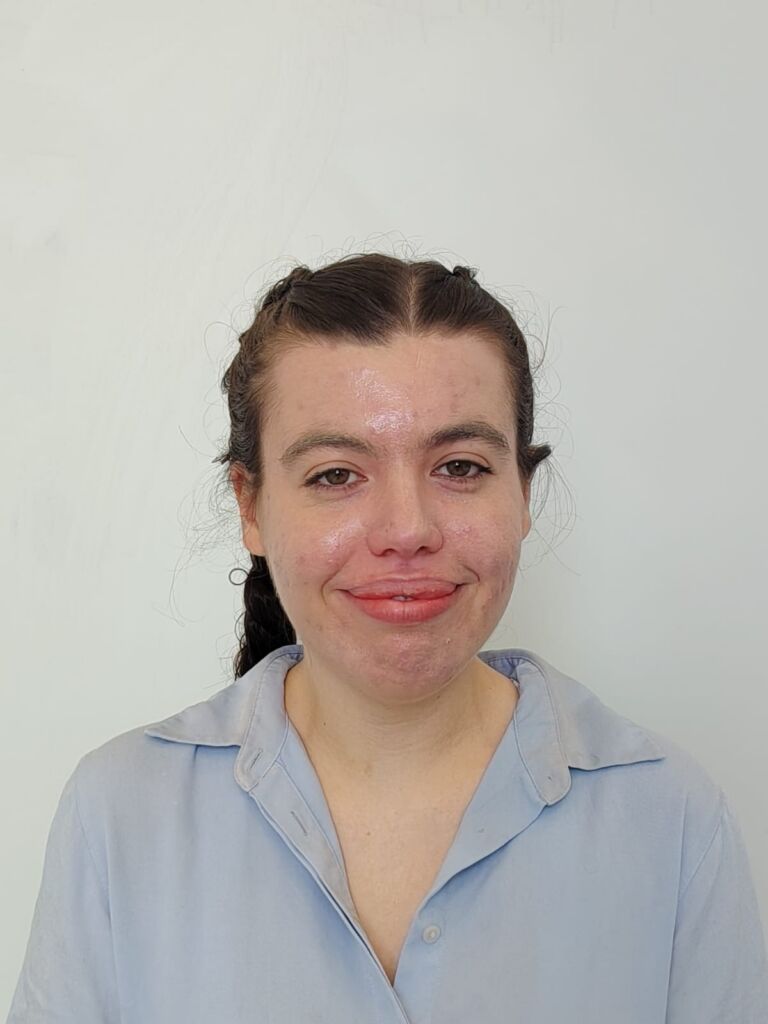
Ms Luis Attfield
Ms Luisa Attfield, University of Birmingham, UK
Luisa Attfield is a EngD student in Chemical Engineering at the University of Birmingham and GSK. Her research focuses on evaluating Process Analytical Technology (PAT) tools for pharmaceutical high shear wet granulation. Her work combines experimental granulation studies with computational modelling (using the discrete element method), enabling a deeper understanding of how real‑time measurement technologies can enhance process control, product quality, and manufacturing efficiency.
Prior to this, Luisa worked as a data scientist in early‑phase bioprocessing at GSK, where she contributed to upstream development activities for emerging biotherapeutics. Here she worked on using computational fluid dynamics and process modelling to aid scale up of upstream processes and worked on developing data driven tools and dashboards to assist laboratory scientists.
Back to Top of Page

Dr Raj K. Singh Badhan
Dr Raj K. Singh Badhan, Senior Lecturer of Pharmacokinetics, Aston Pharmacy School, Aston University, Birmingham, UK
Dr Raj K. Singh Badhan is Senior Lecturer of Pharmacokinetics at Aston Pharmacy School, Aston University, and Programme Director for the MSc Pharmacokinetics. He is a UK-registered pharmacist with expertise in pharmacokinetics, pharmacometrics, physiologically based pharmacokinetic modelling, precision dosing and pharmaceutical development. His work sits at the interface of clinical pharmacology, pharmaceutics and translational pharmaceutical science, using modelling and simulation to understand how formulation, drug release, absorption, distribution and patient physiology influence medicine performance. His research focuses on improving medicines use in complex populations, including children, older adults, obesity, pregnancy, oncology and emerging space-health settings. He has published widely across pharmacokinetics, PBPK modelling, formulation science and model-informed drug development, and works across academic, clinical and industrial settings to translate quantitative pharmaceutical science into practical healthcare and development solutions.
Back to Top of Page
Dorota Bartczak
Dorota Bartczak MEngSc, PhD, Science Area Leader, NML, LGC Limited, UK
Dorota Bartczak (MEngSc, PhD) is a multidisciplinary scientist with nearly 20 years of active research experience in physicochemical characterisation of nano- and micro-particles with applications in consumer products, medical devices and nanomedicines, as well as on novel contaminants such as nano- and micro-plastics. She is a Science Area Leader at LGC Limited, with headquarters in the UK. LGC has been home to the UK Government Chemist for over 100 years and is the UK National Measurement Laboratory (NML) and Designated Institute for chemical and biological measurements. Dorota was educated to a post-doctoral level at the University of Southampton, UK, where she was awarded a PhD in Life Sciences (Nanotechnology) in 2010. She has received her first degree, Master of Science and Engineering in Biotechnology, at the Technical University of Lodz, Poland in 2007. Dorota has ~50 peer reviewed publications and book chapters in the nanotechnology area and has received several prestigious awards, including the first prize and Mendel medal in Biomedical Sciences awarded at the House of Commons. She coordinates European Metrology Partnership projects (e.g. 25HLT05 QuanTheriac and 24NRM02 ConcenSus) with plans for initiation of new interlaboratory comparisons and documentary standards. Dorota is also involved in Reference Materials development (e.g. LGCQC5050) and provision of commercial measurements services, training and consultancy. She is the LGCs representative at the European and International standards development organisations, the current Chair of BSI NTI/1 ‘Nanotechnologies’ committee, and the Head of UK’s Delegation at ISO TC 229 and CEN TC 352. She also holds a role of Vice Chair of ETPN Safety and Characterisation Working Group and is a member of the CCQM Microplastics Task Group, ISO TC 24 SC4 and the UK’s subject matter expert. Dorota has led/co-lead development of documentary standards (e.g. ISO/TS 19590 on spICP-MS) and pre-normative interlaboratory comparisons (under BIPM CCQM and VAMAS TWA 35 and TWA 45).
Back to Top of Page
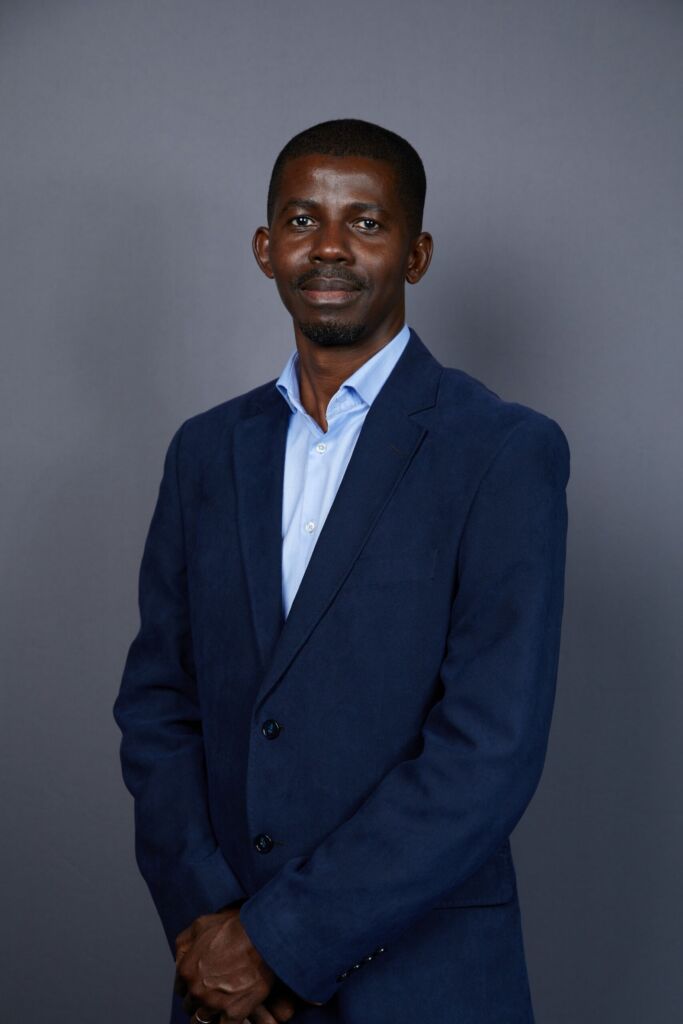
Professor Joshua Boateng
Professor Joshua Boateng, Professor in Pharmaceutics & Drug Delivery; Associate Head of School (Science) for Research & Knowledge Exchange, University of Greenwich (Part of London & Southeast University Group-LASE-UG), UK
Professor Boateng is a pharmaceutical scientist specialising in formulation science and advanced drug delivery technologies, with more than two decades of academic leadership at the University of Greenwich. He holds B. Pharm (Hons) from Kwame Nkrumah University of Science and Technology, as well as MSc (Pharmaceutical Analysis) and PhD (Drug Delivery and Formulation) from the University of Strathclyde. He has authored over 100 peer-reviewed journal papers, numerous book chapters and conference presentations, and has been named among the Stanford University–Elsevier Top 2% Most Highly Cited Scientists every year since 2020. His main areas of research include wound healing and advanced wound healing technologies, nanocarriers for delivering biotherapeutics (e.g. mucosal vaccines, antimalarials, overcoming antimicrobial resistance) and 3D printing/bioprinting. He is editorial advisory board member for various scientific journals including; Journal of Pharmaceutical Sciences and AAPSPharmSciTech.
Back to Top of Page
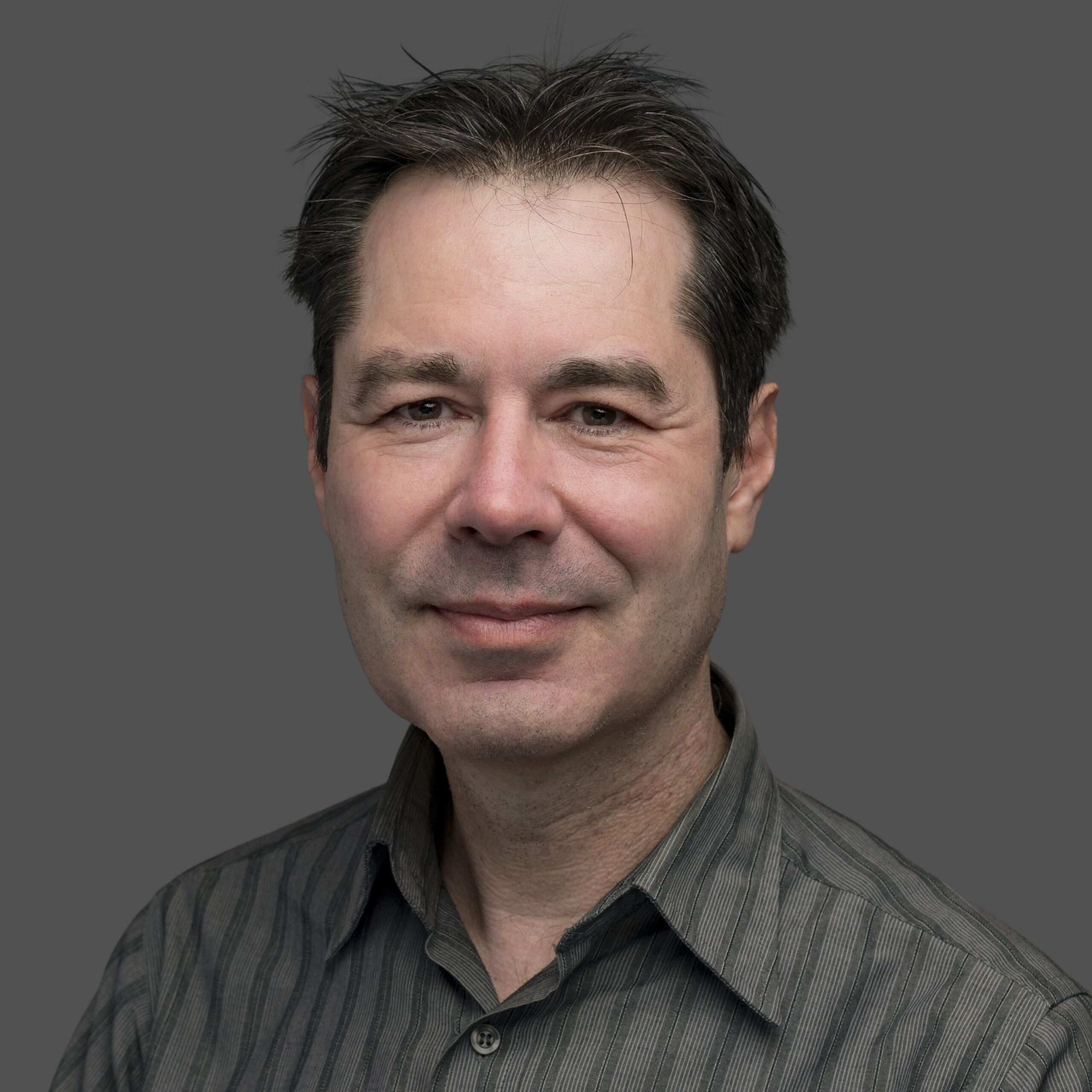
Thierry Bonnaud
Thierry Bonnaud, Principal Scientist, Solid Form and Particle Engineering, Veranova, UK
Thierry Bonnaud has a background in organic synthesis and drug discovery, with more than 27 years of experience in the pharmaceutical industry. He began his career at the Pfizer Neuroscience Centre in Cambridge, UK, in 1999 before joining Medivir’s combinatorial chemistry group in 2000, where he contributed to the design and synthesis of novel enzyme inhibitors.
In 2007, Thierry joined Pharmorphix®, now part of Veranova’s global Centre of Excellence for Solid Form and Particle Engineering. Thierry has extensive expertise in solid-state chemistry and pharmaceutical development, with particular interests in early-stage formulation, crystallisation development, polymorphism, cocrystal and chiral separation. He has supported the development of numerous drug candidates across a wide range of therapeutic areas and he is co-inventor on more than 25 patent applications. He is co-author of a review on pharmaceutical cocrystals and is responsible for the Pharmorphix internal research programme.
Back to Top of Page
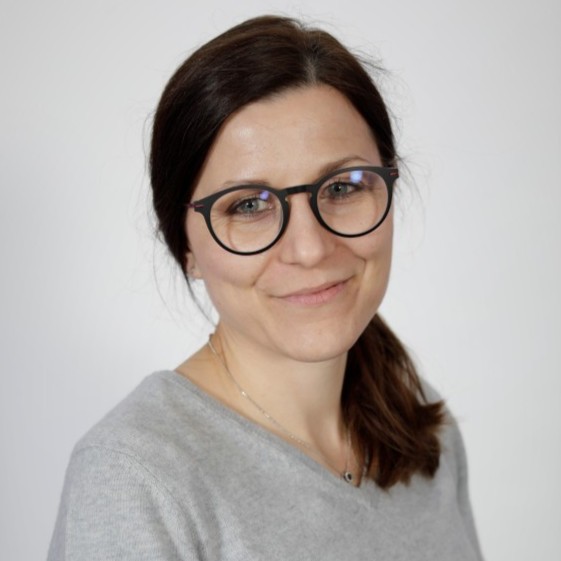
Dr Nicoletta Charolidi, Principal Policy Specialist – CERSI Lead, Medicines and Healthcare products Regulatory Agency (MHRA), UK
Dr Nicoletta Charolidi is a Principal Policy Specialist at the Medicines and Healthcare products Regulatory Agency (MHRA), where she leads the Centres of Excellence for Regulatory Science and Innovation (CERSI) programme. She has led the programme from its inception and pilot phase through to the development of its next phase, with a focus on building a longer-term, sustainable approach to regulatory science capability. Much of her work is about creating the conditions for regulators, researchers, funders and industry to work together on regulatory science problems, so that regulation keeps pace with scientific advances and innovative healthcare products can reach patients safely and sooner.
Nicoletta’s background spans academic research, innovation and medicines regulation. She holds a PhD in Cellular and Molecular Biology from Imperial College London.
Back to Top of Page

Laxman Cherkupally
Laxman Cherkupally, Associate Director, Pharmaceutical Development, Medicines for Malaria Venture, Switzerland
Laxman oversees CMC activities for a diverse portfolio of early- and late-phase drug development projects at Medicines for Malaria Venture (MMV). Before joining MMV, he spent a decade at Novartis, where he gained comprehensive experience bringing life-saving medicines from the lab to launch. Laxman is deeply passionate about developing and delivering novel drugs, with a dedicated focus on protecting vulnerable pediatric populations
Back to Top of Page

Professor Barbara Conway
Professor Barbara Conway, Head of Pharmacy, University of Huddersfield, UK
Professor Barbara Conway is the Head of Pharmacy at the University of Huddersfield, and co-director of a multi-disciplinary research institute, the Institute of Skin Integrity and Infection Prevention (ISIaIP). She graduated in Pharmacy from Queens University Belfast, received her PhD in pharmaceutical formulation from Aston University and was awarded Fellowship of the APS in 2024. She has a multidisciplinary research portfolio with expertise across formulation development, pharmaceutical analysis, and drug delivery strategies with a strong focus on translation into clinical practice. She was also a Medici Fellow, specializing in driving forward innovation within the university sector and held several patents in the pharmaceutical area. She has supervised over 50 Ph.D. students and on-going research programmes focus on strategies to improve skin antisepsis and delivery of antimicrobials, antimicrobial stewardship, solubility enhancement for poorly soluble drugs, and development and characterisation of novel formulations.
She has published 200 peer-reviewed articles, along with patents, book chapters and conference abstracts.
Back to Top of Page
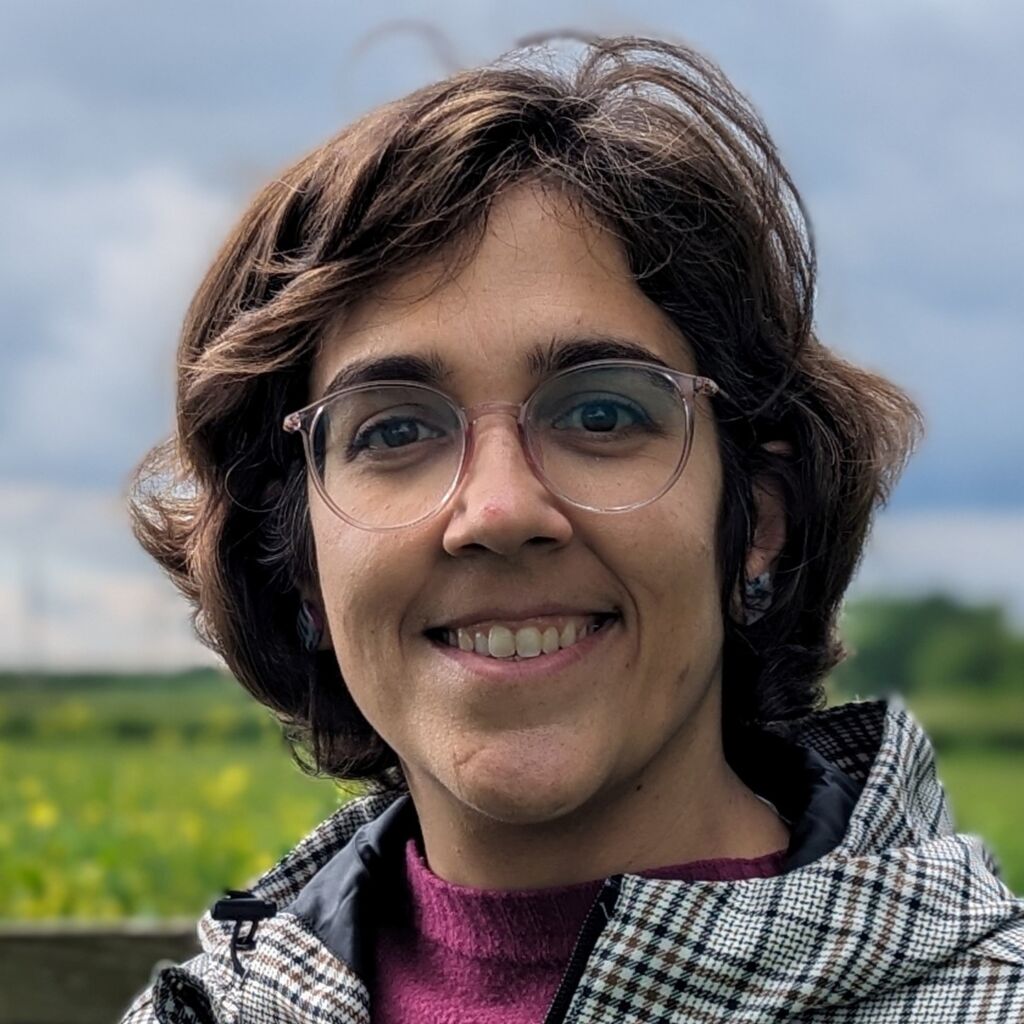
Dr Sara Cordeiro
Dr Sara Cordeiro, Senior Lecturer in Pharmaceutics, Strathclyde Institute of Pharmacy and Biomedical Sciences, University of Strathclyde, Glasgow, UK
Sara Cordeiro is a Senior Lecturer in Pharmaceutics at the Strathclyde Institute of Pharmacy and Biomedical Sciences, University of Strathclyde (Glasgow, UK). Following a PharmD from the University of Porto (Portugal) and a PhD in Drug Research and Development from the University of Santiago de Compostela (Spain), she worked as a Postdoctoral Research Fellow at Queen’s University Belfast (Belfast, UK) and as a Senior Lecturer in Pharmaceutical Sciences at De Montfort University (Leicester, UK). Throughout these years, Sara has developed a background in pharmaceutical formulation, drug delivery, nanomedicine, vaccine delivery and microneedles for transdermal drug delivery and diagnostics. Currently, she leads an independent research group (3Ds Lab – Drug Delivery and Diagnostics) with a focus on improving and facilitating patients’ lives through the development of delivery systems and diagnostic devices that are easy to manufacture and scale-up, highly efficient and applicable to patient-friendly non-invasive routes.
Back to Top of Page

Deirdre D’Arcy
Dr Deirdre D’Arcy, Associate Professor in Pharmaceutics and Pharmaceutical Technology, School of Pharmacy and Pharmaceutical Sciences, Trinity College Dublin, Ireland
Dr Deirdre D’Arcy qualified as a pharmacist in 1999. After initial training as a clinical pharmacist, she commenced research in pharmaceutical technology, in the area of computational hydrodynamic simulations and dissolution testing.
Deirdre is currently Associate Professor in Pharmaceutics and Pharmaceutical Technology in the School of Pharmacy and Pharmaceutical Sciences (SOPPS), Trinity College Dublin (TCD), Ireland.
Her current dissolution/biopharmaceutics research focuses on characterising dissolution through modelling, simulation (including AI/ML applications) and image analysis, to support variability/uncertainty reduction and clinically relevant physiologically based- biopharmaceutics (PBBM) model development. Other research and pedagogical interests include clinical pharmacokinetics and related medicines optimisation in special populations, authentic assessment methods and scaffolding learners’ critical use of generative AI in biopharmaceutics teaching and learning
She has co-authored more than 80 peer-reviewed presentations and publications, was PI in two clinical trials and is currently supported by Research Ireland (Rinn Pharma and Biopharma, Rinn Advanced Therapies), and Panoz Pharmaceutical Innovation PhD Scholarships.
Back to Top of Page

Dorota Danielak, PhD
Dorota Danielak, PhD, R&D Manager, Physiolution, Poland
Dr Dorota Danielak is an R&D Manager at Physiolution, where she integrates biopredictive dissolution testing with mechanistic pharmacokinetic (PK) modeling. Her recent research is centered on the development of physiologically driven in vitro-in vivo extrapolations (IVIVE), utilizing the advanced PhysioCell apparatus to accurately simulate the complexities of gastric motility and inter-subject variability. By synergizing machine learning architectures with population PK simulations, Dr. Danielak develops robust, high-fidelity models designed to predict the in vivo performance of complex oral dosage forms, thereby streamlining the drug development process and enhancing the reliability of virtual bioequivalence studies.
A Ph.D. graduate of the Poznan University of Medical Sciences, Dr. Danielak’s academic foundation is rooted in the exploration of the genetic determinants of pharmacokinetic variability and in population PK modeling. Her career is marked by a strong commitment to international collaboration, including EU-funded research secondments at Zentiva in Prague and Physiolution in Greifswald. As an experienced academic educator, former associate professor, and guest lecturer within the CEEPUS network, she frequently shares her expertise at premier global forums, including AAPS PharmSci360, APV, and M-CERSI.
Back to Top of Page
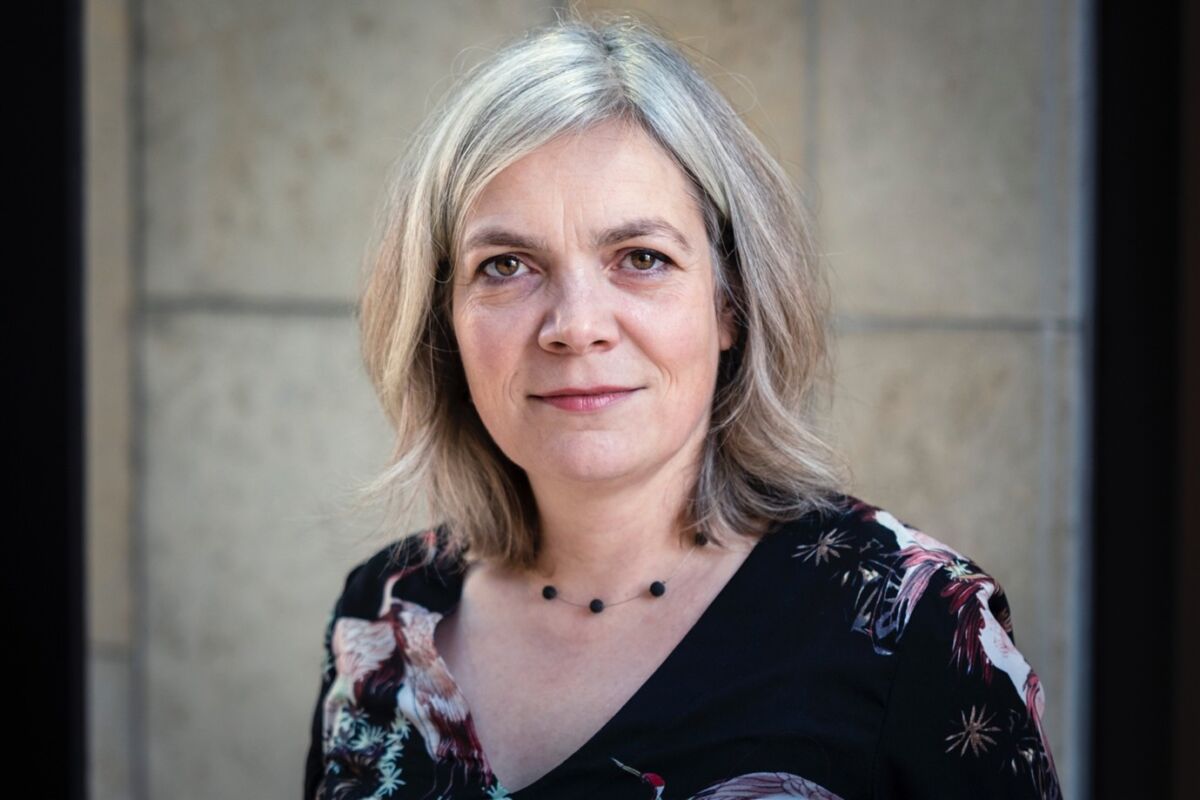
Professor Marieke De Bruin
Professor Marie Louise (Marieke) De Bruin, Professor in Drug Regulatory Science at Utrecht University and Scientific Director of the Utrecht Centre for Pharmaceutical Policy and Regulation, Netherlands
She was trained as a pharmacist (Utrecht University) and epidemiologist (Erasmus University Rotterdam) and holds a PhD in pharmacoepidemiology. She has combined academic research with advice for health authorities since 2008, both nationally (Pharmacovigilance expert for the Dutch Medicines Evaluation Board 2008-2016, Health Council of The Netherlands 2023-now) and internationally (European Commission appointed independent Scientific Expert of the Pharmacovigilance Risk Assessment Committee (PRAC), at the European Medicines Agency 2012-2018).
Currently she holds leading positions in regulatory science networks and projects, including being Co-Chair of the Regulatory Science Network Netherlands (2023-now) and Member Program Board Oncode Accelerator (2024-now). Her Drug Regulatory Science research activities, focus on developing new tools, standards and approaches to evaluate the efficacy, safety, quality and performance of medical products in order to assess benefit-risk and facilitate a sound and transparent regulatory decision making. The most important research areas are ‘Regulation of Novel Methodologies and Therapeutics’ and ‘Pharmacovigilance Processes and Methods’.
Back to Top of Page
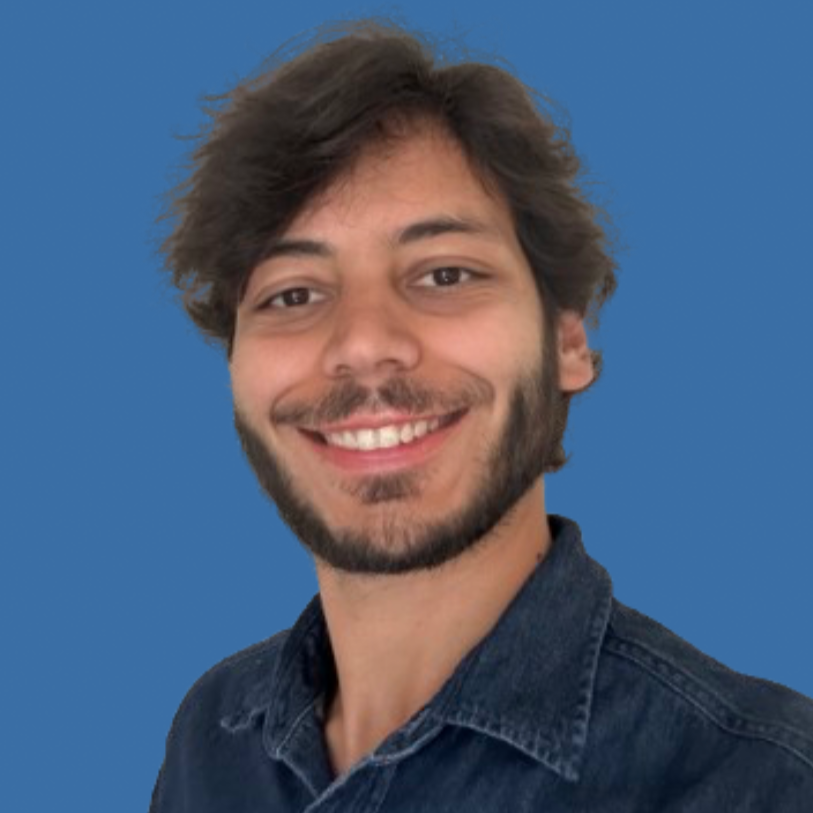
Matheus De Castro
Matheus De Castro, PhD Student, De Montfort University, UK
Matheus de Castro is a PhD candidate in Pharmaceutical Sciences at De Montfort University, where his research focuses on the thermodynamic modelling of amorphous solid dispersions. He also served as the database curator for CMAC’s Digital CMC CERSI (Centre for Regulatory Science and Innovation), collaborating with regulators, industry professionals, and researchers to support the development of VERA (Virtual Expert for Regulatory Assistance).
Back to Top of Page
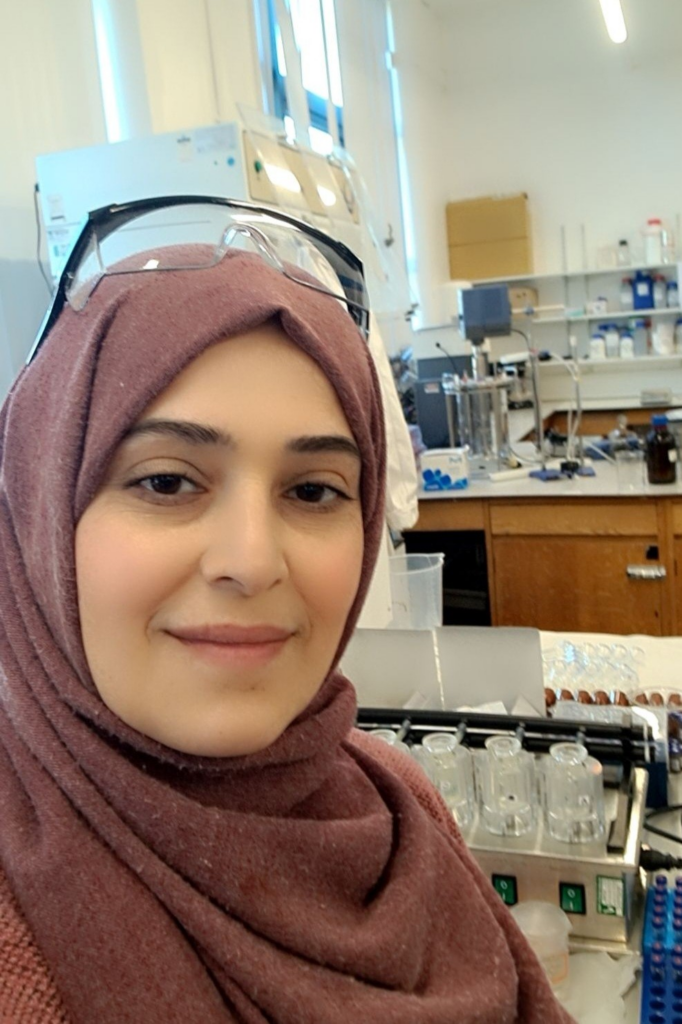
Saedah Dereiah
Saedah Dereiah, PhD Researcher, University of Huddersfield, UK
Saedah Dereiah is a PhD Researcher in Pharmaceutics at the University of Huddersfield. Her research focuses on developing innovative cationic liposomal formulations for the targeted treatment of skin disorders, with an emphasis on formulation optimisation, characterisation, and enhancing topical drug delivery. She holds a Master’s degree in Cosmetic Science and Technology and is passionate about combining cosmetic science and pharmaceutical technology to improve dermatological treatments and support the development of personalised skincare solutions.
Back to Top of Page
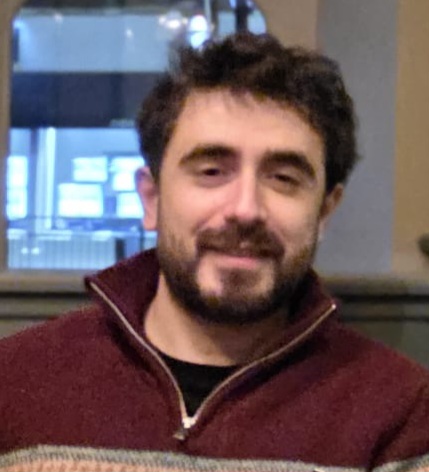
Alexandre Djehizian
Alexandre Djehizian, Research Scientist II, Certara UK, MID3, Simcyp, UK
Alexandre brings a rigorous mathematical and computational perspective to mechanistic drug delivery modeling. His PhD in Mathematics from Imperial College London (2021) provides a strong foundation for translating complex absorption, distribution, and formulation phenomena into analytical and numerical models. At Certara, he works on PLGA implant and long-acting injectable models and has developed machine learning approaches for predicting physicochemical parameters critical to PBPK success.
Back to Top of Page
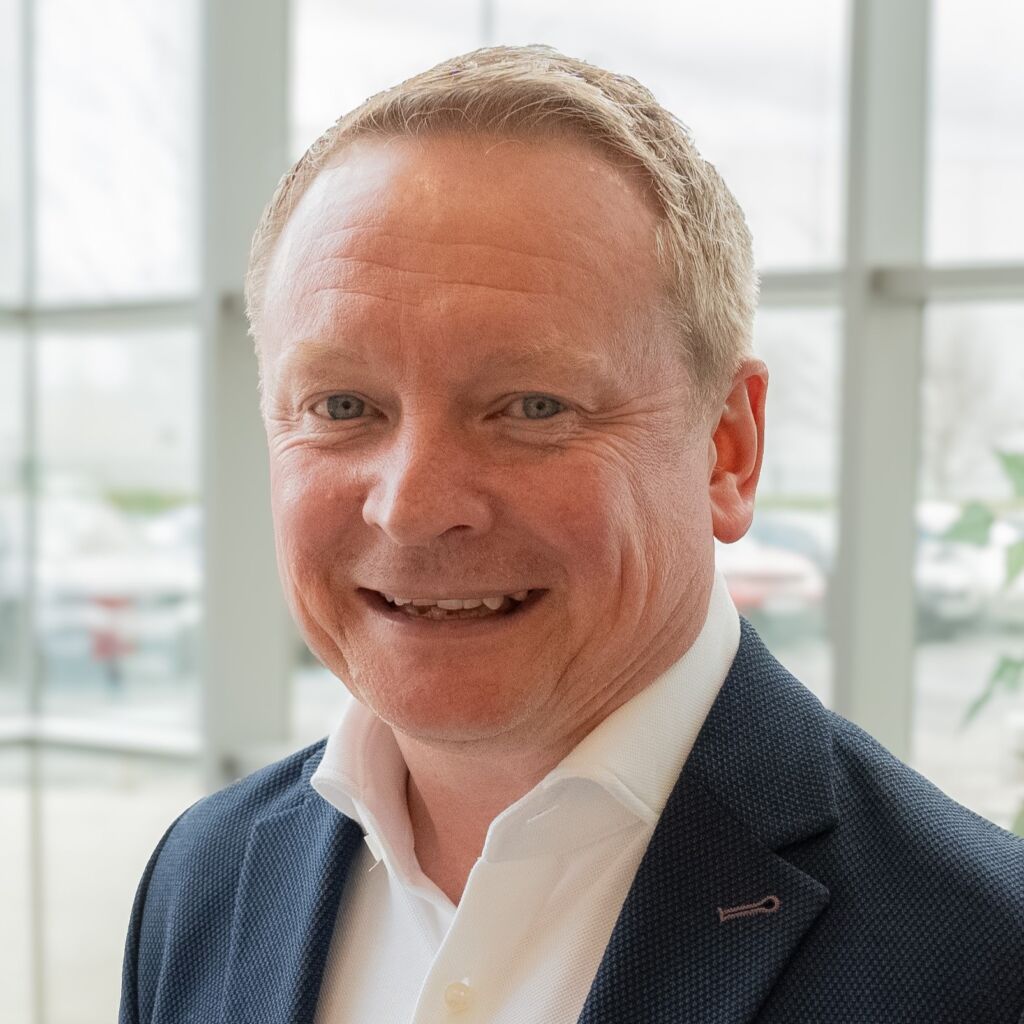
Dr Terry Ernest
Dr Terry Ernest, Director of MSAT, Almac Group, UK
Dr Terry Ernest is Director of Manufacturing, Science and Technology and Head of Formulation and Development at Almac Group. Terry has over 30 years of experience in the pharmaceutical industry with over 29 years at GSK where he was Director of Product Development. He has developed formulations and manufacturing processes for pre-clinical assets through to commercialisation, for a variety of dosage forms. He is a subject matter expert in age-appropriate drug product design having developed a number of drug products for paediatric application and has contributed to a number of groups and collaborations such as APS, EuPFI, IQ consortium and other academic research projects.
Back to Top of Page
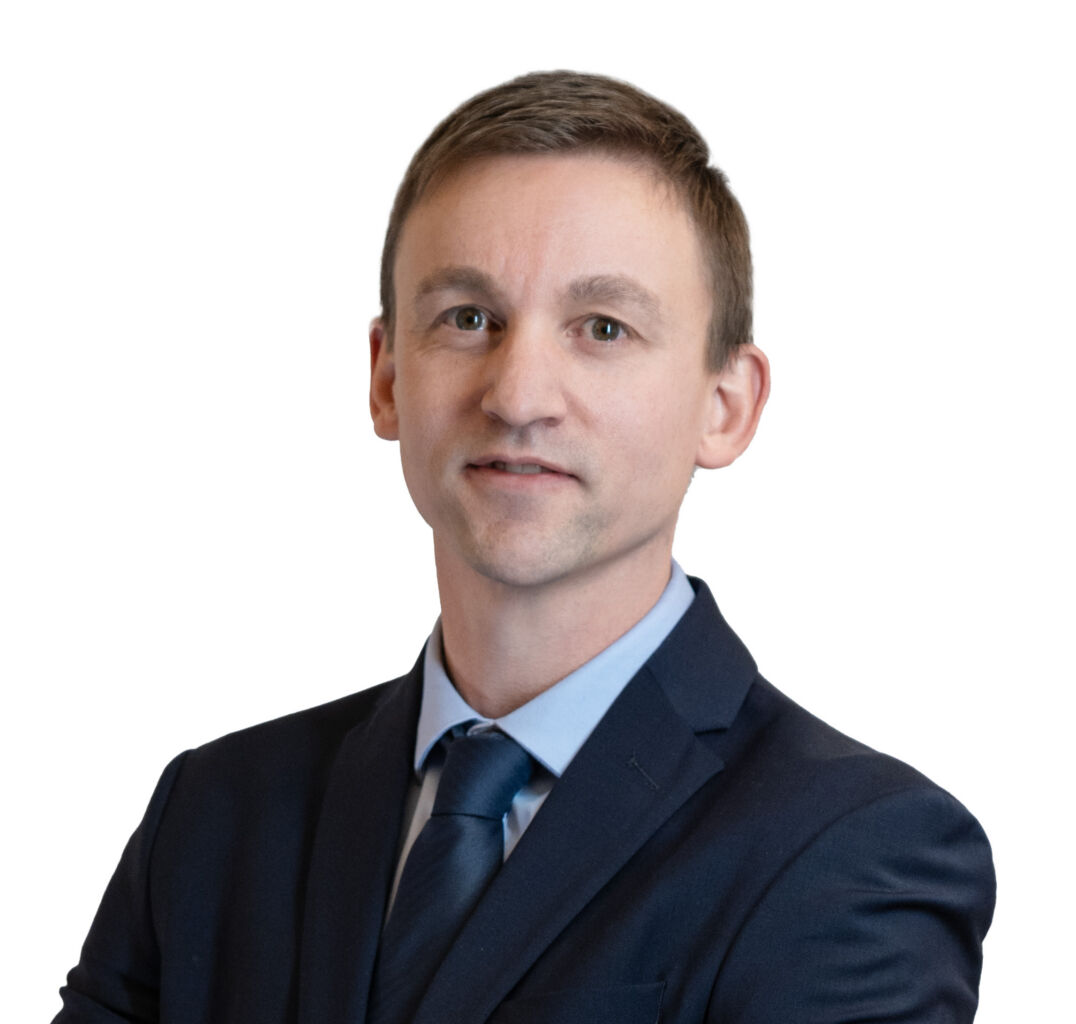
Steven Fussell
Steven Fussell, Asymchem Research and Development Labs, UK
Steve earned his Chemistry degree from the University of Sheffield before beginning his career at Pfizer in 2002. There, he pioneered the use of high-throughput experimentation (HTE) in chemical development, establishing it as a core capability within the process development laboratories. His leadership was instrumental in the creation of a state-of-the-art robotic lab providing end-to-end experimentation whilst integrating HTE with machine learning.
Over his tenure at Pfizer, Steve contributed to more than 100 projects and played a key role in the development of 11 commercial medicines, spanning the entire drug development lifecycle, from early-stage enabling to full commercialisation. He has consistently been at the forefront of emerging technologies, collaborating with industry leaders and consortia to design and implement cutting-edge new technologies.
In 2024, Steve took on a senior management role at the newly established Asymchem Research and Development Labs in the UK. He leads the High-Throughput Experimentation team, driving innovation to enable smarter, greener, and more cost-effective pharmaceutical research and manufacturing.
Back to Top of Page

Richard H. Guy
Richard H. Guy, Emeritus Professor of Pharmaceutical Sciences, University of Bath, UK
Richard Guy is Emeritus Professor of Pharmaceutical Sciences at the University of Bath. His research concerns skin barrier function characterisation, topical and transdermal formulation development and optimisation, non-invasive biosensing and the prediction and assessment of skin penetration and topical bioavailability. He has published >400 peer-reviewed articles and is co-inventor of 14 patents. Professor Guy’s academic background is in applied physical chemistry and he received the degree of Doctor of Science from the University of Oxford in 2016. In 2018, he was a National Expert on secondment at the European Medicines Agency in the area of regulatory science and, from 2013 to 2026, research in his laboratory was funded continuously by grants from the US FDA. Professor Guy co-founded Transdermal Diagnostics, Ltd., and the company was “spun-out” by the University of Bath in 2022.
Back to Top of Page
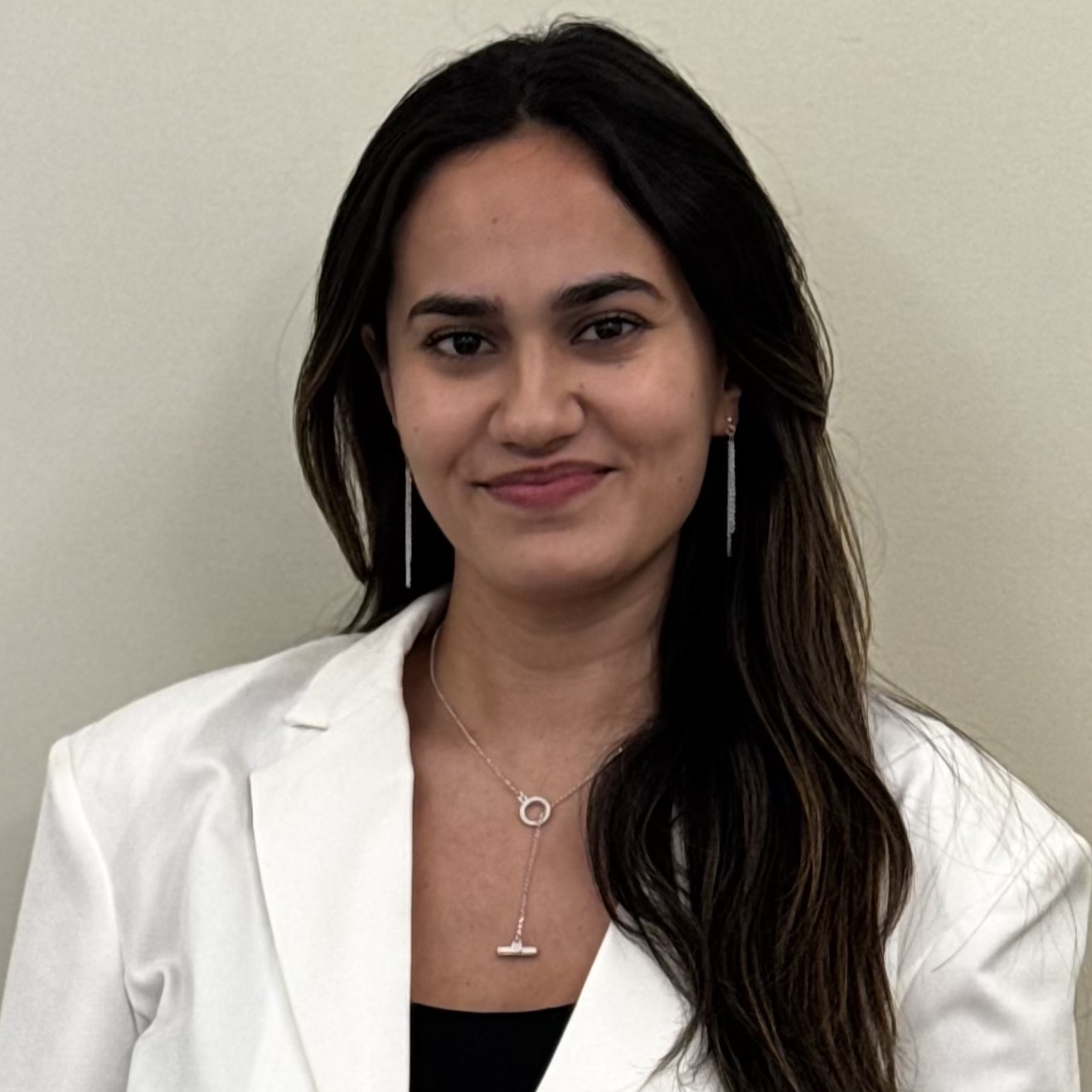
Rama Hassoun
Rama Hassoun, PhD Researcher, UCL CDT in Transformative Pharmaceutical Technologies, UK
Rama Hassoun is a pharmacist and PhD researcher at the UCL CDT in Transformative Pharmaceutical Technologies. Her research focuses on developing antibody-conjugated polymeric nanoparticles for targeted cancer drug delivery, integrating standardised characterisation, machine-learning-driven target discovery and in vivo imaging to address key barriers to clinical translation.
Back to Top of Page
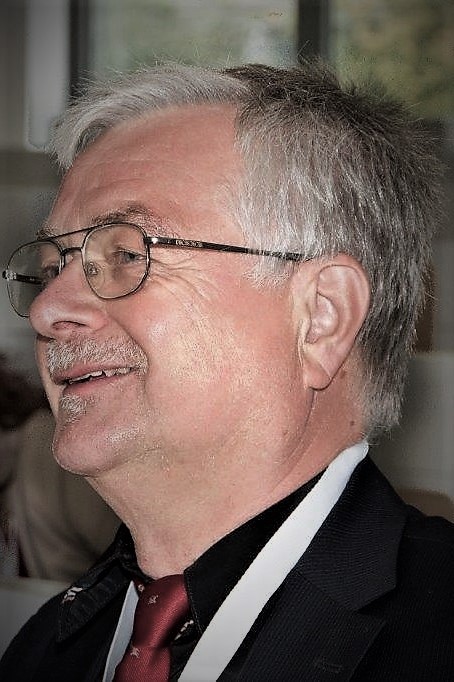
Professor Michael Heinrich
Professor Michael Heinrich, UCL School of Pharmacy, London, UK
Michael Heinrich is a Professor of Ethnopharmacology and Pharmacognosy at the UCL School of Pharmacy. His academic journey took him from an MA in Anthropology (Wayne State University) to phytochemical research as a part of a Masters’ degree in Biology, to field on medicinal plants with a Mexican Indian group and subsequent studies on the anti-inflammatory and GI-effects of selected species. Since 1999 he has been at the School of Pharmacy U. London (now the UCL School of Pharmacy) with a global focus on the fast-changing global health needs and the associated chemical, pharmacological, analytical and ethnopharmacological questions including research on topical anti-inflammatory formulations, calue chain of herbal medicines and the impact of climate change on the sector.
Since 2022 he also is a Yushan Fellow at China Medical University, Taiwan (https://yushan.project.edu.tw/TopTalent/EN/Intro#section1) developing research on various aspects of Chinese herbal medicine.
Back to Top of Page
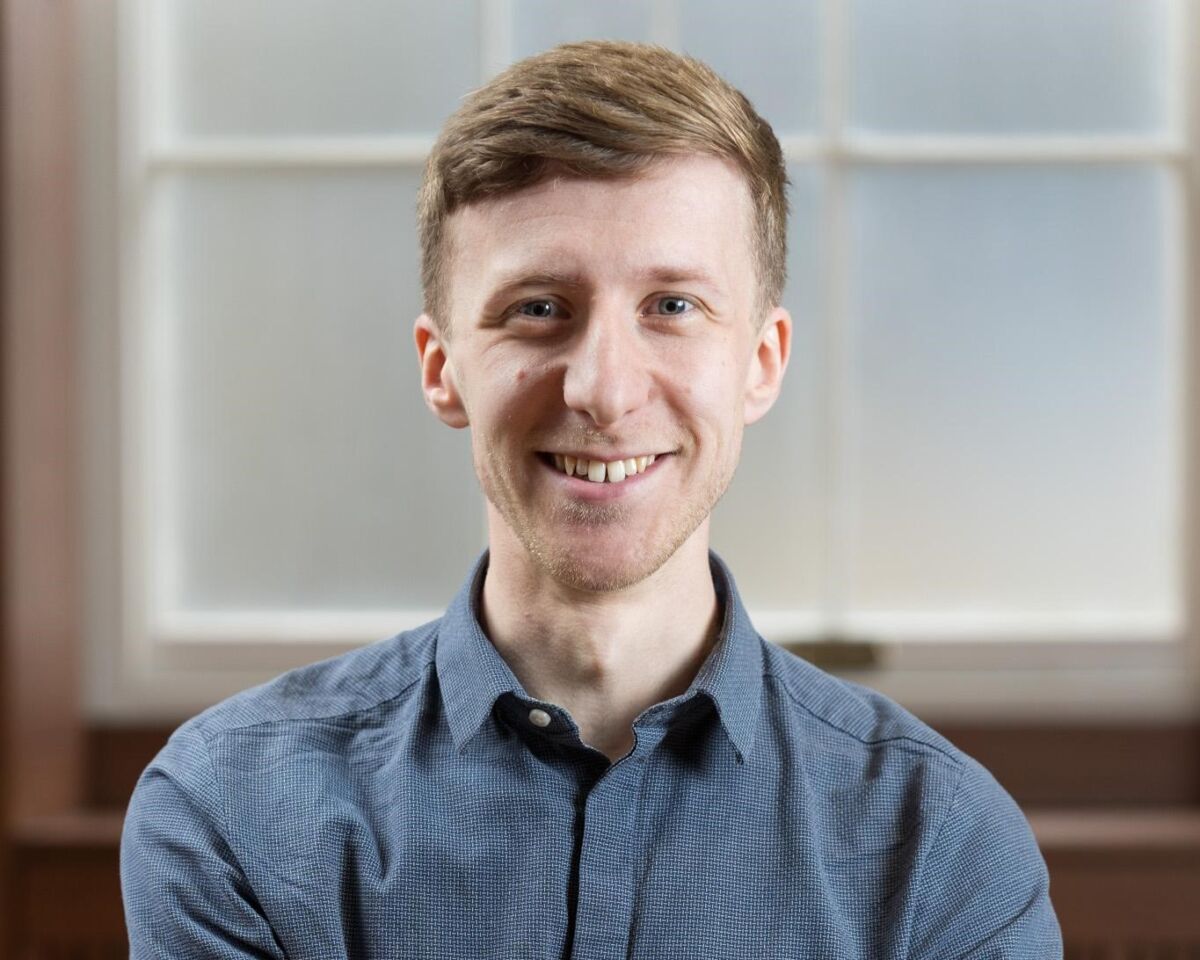
Dr Thomas Hibbard
Dr Thomas Hibbard, Maplethorpe Research Fellow, King’s College, London, UK
Thomas Hibbard is a Maplethorpe Research Fellow at King’s College, London, specialising in pharmaceutical formulation development. His current research focuses on developing a digital skin permeation model to aid topical formulation design. This incorporates the design of a miniaturised skin permeation testing device and the development of a quantitative FTIR spectroscopy method to achieve high-throughput permeation testing. He completed his PhD in pharmaceutical formulations and analysis from the University of Reading following registering as a Pharmacist.
During his PhD he was awarded the Geoffrey Phillips Analytical Science Award by the JPAG committee and presented his work at the APS PharmSci Conference.
Back to Top of Page
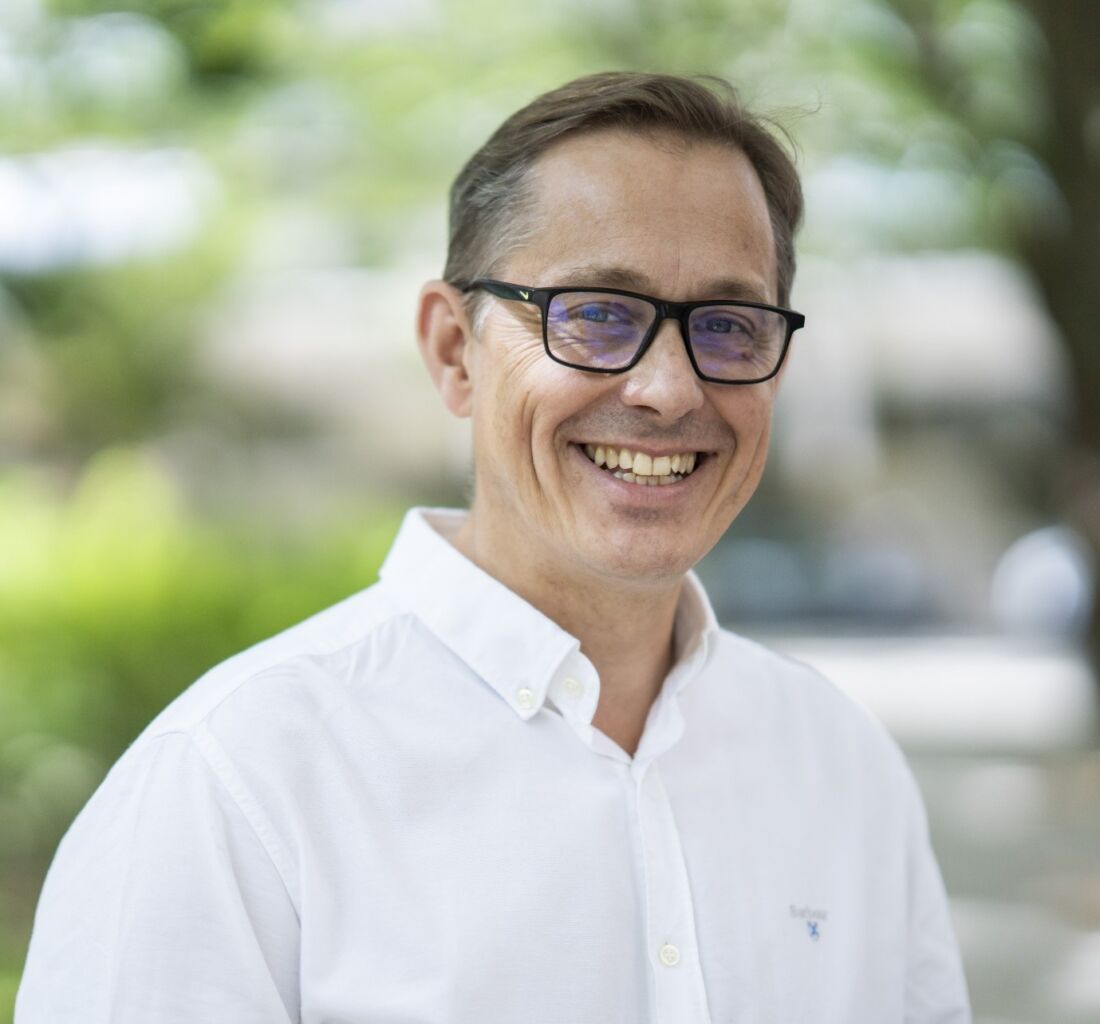
Professor Stephen Hilton
Professor Stephen Hilton, Professor of Chemistry and Enabling Technologies, UCL School of Pharmacy, UK
Professor Stephen Hilton is a Professor of Chemistry and Enabling Technologies at University College London (UCL), based in UCL School of Pharmacy. He leads a multidisciplinary research programme at the interface of synthetic chemistry, advanced manufacturing, and immersive digital technologies.
He studied Chemistry with Management at King’s College London (BSc, 1996) and completed his PhD in 2002 under the supervision of Professor Keith Jones at King’s College London and Kingston University. He subsequently undertook postdoctoral research with Professor William Motherwell FRS at University College London (2002–2006) and at the Institute of Cancer Research, University of London (2006–2008). In 2008, he was awarded an RCUK Fellowship at the School of Pharmacy, University of London, which later became the UCL School of Pharmacy, where he now holds a Chair.
Professor Hilton has published over 50 peer-reviewed research papers and contributed to multiple book chapters. His research spans medicinal chemistry, reaction scale-up, catalysis, and enabling technology development, with a particular emphasis on the integration of 3D printing, continuous flow chemistry, virtual reality (VR), and AI-driven automation for pharmaceutical and synthetic applications. He is the inventor of the IKA FLOW continuous flow reactor, developed in partnership with IKA, incorporating modular 3D-printed reactor architectures pioneered within his research group.
His current programme focuses on AI-enabled digital twin laboratories that integrate real-time reaction data, immersive VR interfaces, and automated control systems for continuous flow chemistry and advanced manufacturing. This includes the development of 3D-printed catalytic devices, embedded low-cost sensor systems for remote reaction monitoring, and intelligent control frameworks for smart laboratory environments. In parallel, he leads initiatives in VR-based laboratory training and global digital collaboration, deploying immersive environments and AI avatars to enhance technical skills development, laboratory safety, and equitable access to STEM education. His work in immersive and digitally enabled chemistry education has been recognised with the Royal Society of Chemistry Horizon Prize for Education and multiple international awards.
Back to Top of Page
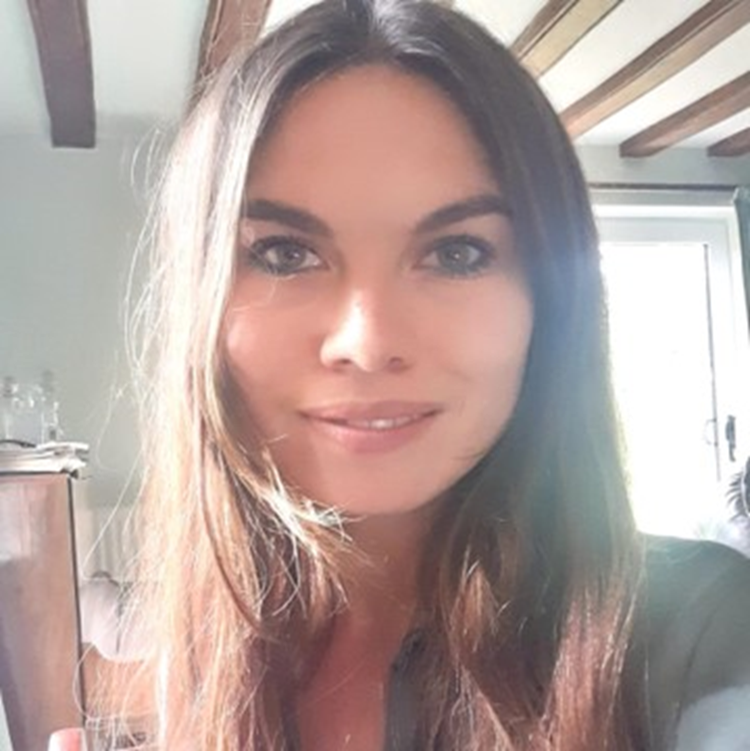
Dr Esther Jacobs
Dr Esther Jacobs, Associate Principal Scientist, Advanced Drug Delivery, AstraZeneca, UK
Dr Esther Jacobs is an Associate Principal Scientist in Advanced Drug Delivery at AstraZeneca, Cambridge. She specializes in enabling oral delivery for poorly soluble and beyond‑Rule‑of‑5 molecule, with expertise in amorphous solid dispersions (ASDs), lipid‑based formulations (LBFs), nanocrystals, and hot‑melt extrusion. At AstraZeneca she leads cross‑functional formulation strategies from early discovery through early clinical development. She holds a PhD in Pharmaceutical Sciences from Queen’s University Belfast on drug delivery using HME‑produced amorphous polymeric nanoparticles.
Back to Top of Page
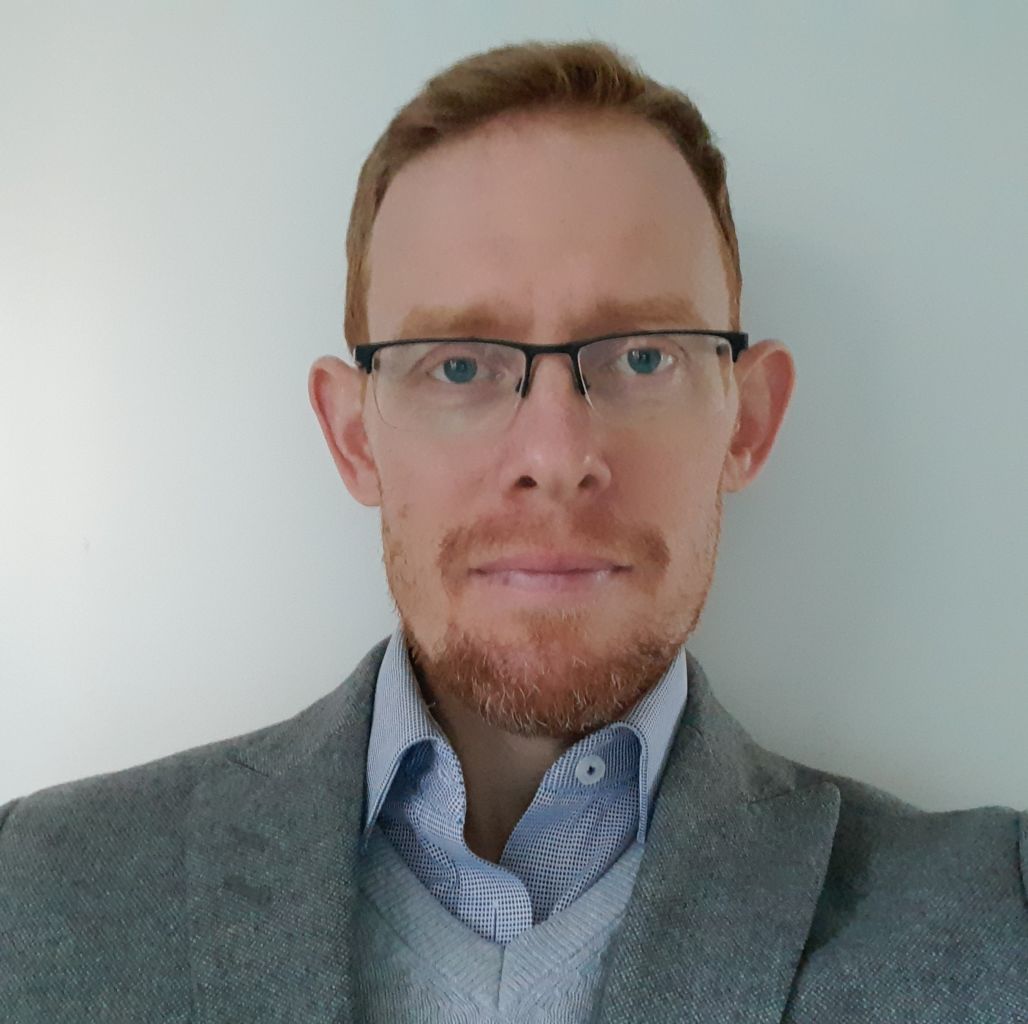
Professor Stuart Jones
Professor Stuart Jones, Chair in Pharmaceutical Medicine, Director of the Centre for Pharmaceutical Medicine Research, King’s College London, UK
Professor Jones holds a chair in Pharmaceutical Medicine within the Pharmacy Department of the Faculty of Life Sciences & Medicine at King’s College London. He began his career in the Pharmaceutical Industry at Pfizer in Sandwich, Kent, but left this role to complete a PhD in Inhaled formulation design under Professor Marc Brown and Gary Martin at King’s College London. After earning his PhD, he became Head of Research and Development at the dermal SME MedPharm Ltd, then transitioned back into academia 20 years ago by taking up a lectureship at King’s College London.
Professor Jones leads a pharmaceutical dermatology research team at King’s focused on designing innovative pharmaceutical formulations and devices. He is interested in how molecules interact with and penetrate skin tissue. He employs new discoveries in barrier transport processes to develop new diagnostic tools and drug delivery systems. To date, this work has received funding from 18 research grants totalling £9 million. He has published over 90 research articles, holds 10 patents, and has successfully supervised more than 12 postdoctoral researchers and 40 PhD students. Currently, he is heading large translational projects to launch a new vitamin D transdermal patch, a topical gas therapy for onychomycosis and a new diagnostic device (https://www.epinostics.co.uk)
Professor Jones is passionate about expanding global capabilities in medicines development through education. He completed an MA in Education while working at King’s, and he used this knowledge to establish the Centre for Pharmaceutical Medicine Research (https://www.cpmr.org.uk/) at King’s College London. This centre offered the world’s first MSc in Medical Affairs, the UK’s first level 7 apprenticeship in clinical pharmacology, and an online MSc in Global Medicines Development. It is dedicated to providing flexible education to train and upskill the next generation of medicines developers.
Back to Top of Page
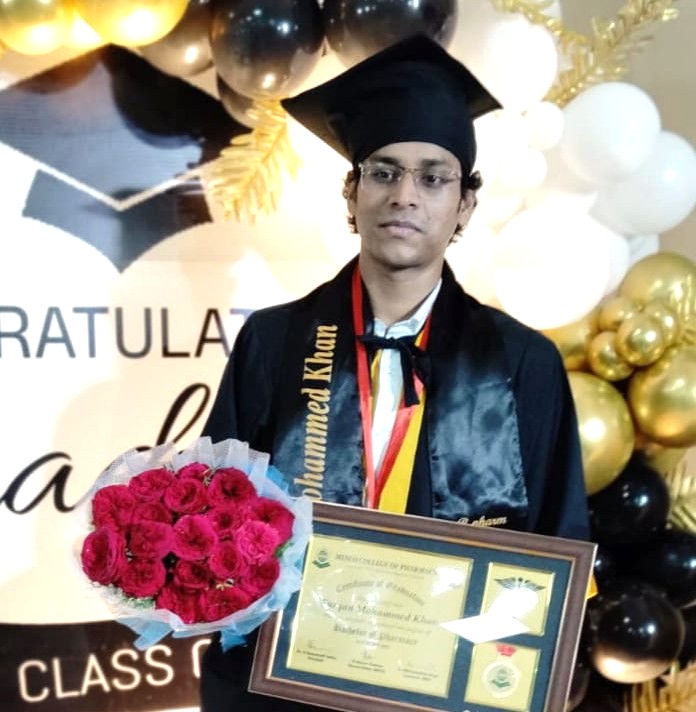
Furqan Mohammed Khan
Furqan Mohammed Khan, MSc Pharmaceutical Sciences Student, School of Chemistry and Chemical Engineering, University of Surrey, UK
I am an MSc Pharmaceutical Sciences student at the University of Surrey, with research interests in computational pharmaceutics, mechanistic modelling and machine learning. My MSc research combines mechanistic simulation and machine learning to accelerate the prediction of transdermal drug transport.
I developed and independently evaluated a machine-learning surrogate of a multilayer COMSOL model. Using seven mechanistic input parameters, it predicts complete amount–time profiles for the vehicle, stratum corneum, viable epidermis, dermis and blood, together with cumulative systemic clearance. In a matched computational benchmark, the surrogate reproduced these profiles approximately 96 times faster than the simplified COMSOL model. Its scope is defined by the trained parameter ranges and underlying model assumptions.
Alongside surrogate development, I investigated how removing the follicular pathway affects predicted transport. This analysis identified stratum-corneum diffusion and vehicle–stratum-corneum partitioning as key factors explaining the contrasting effects of follicular omission in the cases examined.
My wider interests include formulation science, pharmaceutical data analysis and pharmacokinetic modelling. I am particularly interested in predictive tools that combine computational efficiency with mechanistic insight and clearly defined limits of applicability. Through future research, I aim to deepen my expertise in modelling and machine learning and contribute to tools that support formulation design, optimisation and more personalised pharmaceutical development across different routes of administration.
At APS PharmSci 2026, I will present the development, validation and scope of this hybrid modelling framework, highlighting its contribution to rapid simulation, mechanistic understanding and informed formulation research.
Back to Top of Page
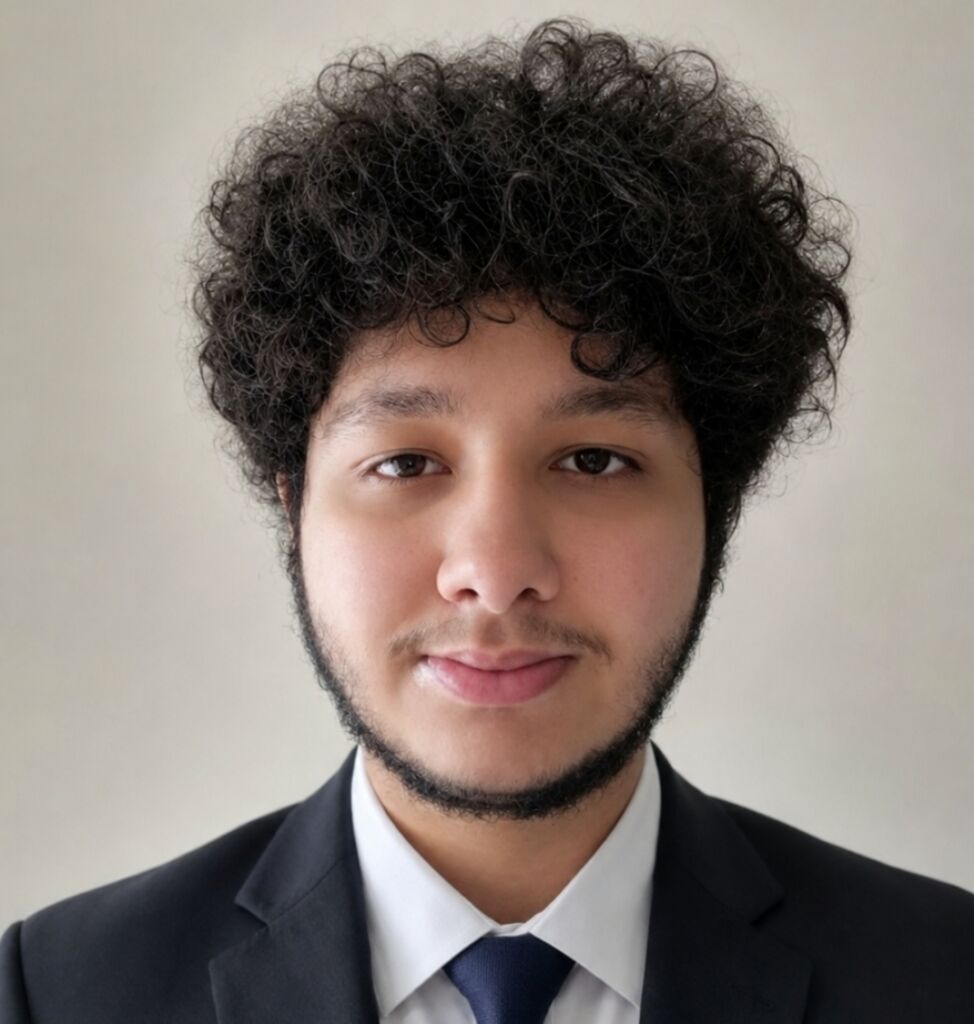
Ayoub Laghdir
Ayoub Laghdir, BSc Pharmaceutical Sciences Graduate, University of Greenwich, UK
I am Ayoub Laghdir, a recent graduate of the University of Greenwich, where I achieved First-Class Honours in BSc Pharmaceutical Sciences. During my third and final year, I had the opportunity to gain practical experience in scientific research through my final-year research project, conducted under the supervision of Dr Mohamed Samir. My research focused on the bioinformatic analysis of bacterial pathogenicity islands in *Klebsiella pneumoniae* isolates from human, animal, and environmental host groups. This project enabled me to develop practical skills in bioinformatics, bacterial genomics, data analysis, and scientific research, while deepening my understanding of bacterial pathogenicity and antimicrobial resistance. In recognition of my performance and the quality of my research, I was nominated by the University of Greenwich to present my findings at the forthcoming APS Conference. This opportunity represents an important milestone in my academic development and has further strengthened my interest in pursuing a career in scientific research, pharmaceutical sciences, and biomedical innovation. I am particularly interested in drug discovery and development, as well as genomics, with a specific interest in cancer genomics. Looking ahead, I hope to leverage advances in genomics to contribute to the discovery and development of novel biopharmaceutical therapies.
Back to Top of Page
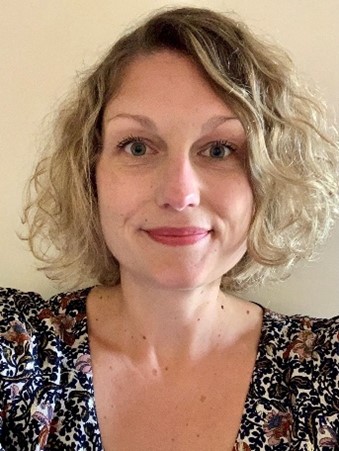
Aurélia Lappert
Aurélia Lappert, Johnson & Johnson Innovative Medicine, Scientific Lead in Product Delivery Strategy and Innovation, France
Aurélia graduated in Chemistry Engineering Process and Formulation from the Engineering School of Chemistry, Physics and Electronics in Lyon, in 2010.
She started her career in Pharmaceutical Product Development in 2011, as a Formulation Scientist at UCB Biosciences in Germany, working on the development of transdermal delivery system. She progressed to a Drug Product Lead role in UCB Pharma in Belgium in 2013, managing several small molecule projects from pre-clinical to clinical development up to lifecycle management, for different target indications and dosage form types.
She joined Johnson & Johnson in October 2021 as a Drug Product Scientific Integrator managing several paediatric projects from formulation development up to supporting the preparation of Marketing Applications. She transitioned to a new role in March 2025 in Product Design Strategy and Innovation, supporting the identification of innovative opportunities and patient-centric medical solutions.
Back to Top of Page

Krystian Lewandowski
Krystian Lewandowski, PhD Researcher, University of Nottingham, UK
Krystian comes from Poland, and he began his academic journey at the University of Bath, where he earned an MEng in Chemical Engineering, graduating with First Class Honours. During his Master’s, he investigated electrospinning to develop scaffolds with antimicrobial properties for tissue engineering applications. As part of his degree, he also completed a placement year working as an Engineering Project Coordinator at Laleham Health & Beauty, a manufacturer of health and beauty products.
He is now pursuing a PhD in Pharmacy at the University of Nottingham. His research focuses on the use of additive manufacturing techniques to fabricate microneedles for the delivery of biologics.
Back to Top of Page

Dr Andy Lewis
Dr Andy Lewis PhD BPharm(Hons) FCRS, Chief Scientific Officer, Quotient Sciences, UK
Andy is currently Chief Scientific Officer at Quotient Sciences responsible for a team of scientific and technical experts across both the UK and USA supporting our clients drug development programmes from preclinical formulation development through to commercial drug product manufacturing. After obtaining a pharmacy degree and PhD from the University of Nottingham he has worked in the pharmaceutical industry for over 25 years for organisations of all sizes – from start-up biotechs to large pharmaceutical companies. He has a passion for the application of advanced drug delivery technologies to address unmet clinical needs, particularly in the areas of protein and peptide drug delivery, solubility enhancement and controlled release. He is a member of the Academy of Pharmaceutical Scientists of Great Britain and is a Fellow of the Controlled Release Society.
Back to Top of Page
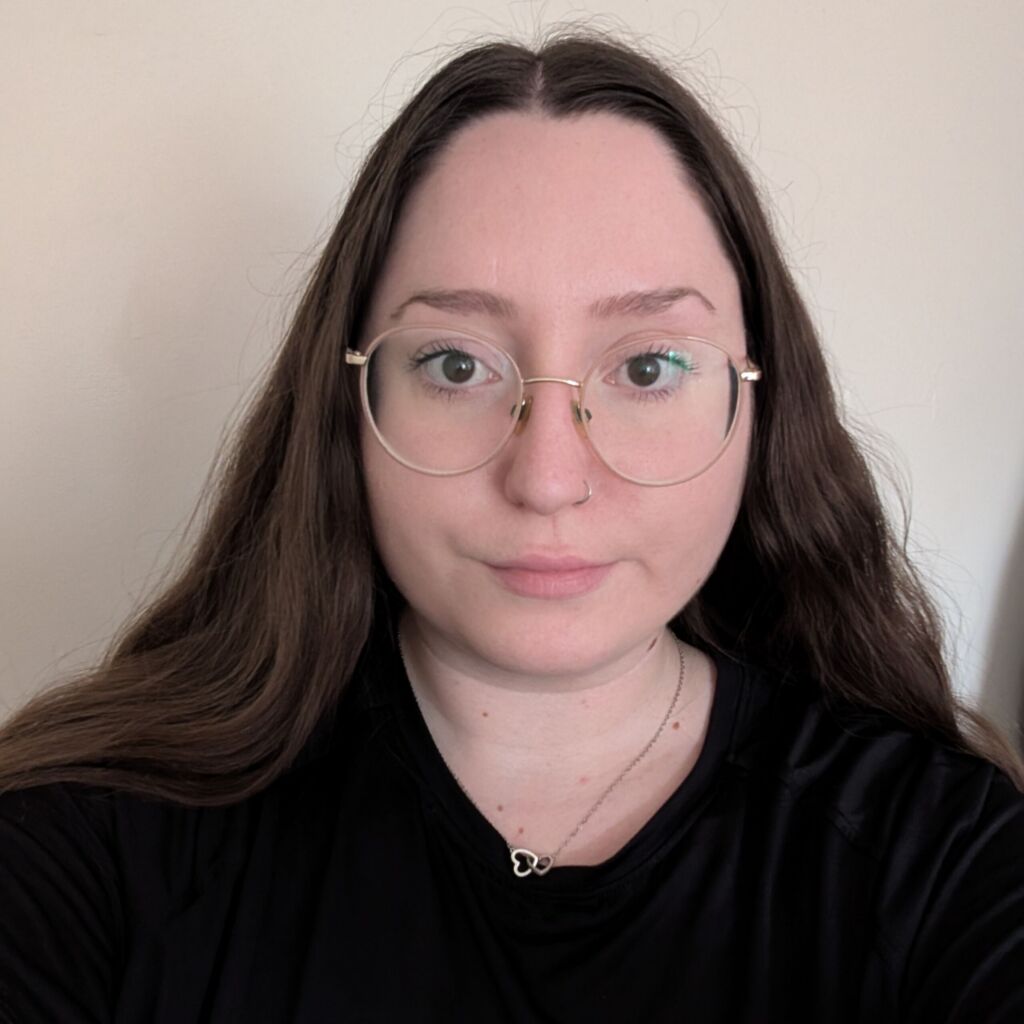
Chloe Linham
Chloe Linham, PhD Student, University of East Anglia and The Quadram Institute, UK
Chloe Linham completed her BSc (Hons) in Pharmacology at the University of Portsmouth in 2024, which included an industrial placement year in the materials science department at GSK. She is now undertaking her PhD as part of the Microbes, Microbiomes and Bioinformatics Doctoral Training Pathway at the University of East Anglia and the Quadram Institute. Her research encompasses materials science and microbiology with the aim to create a novel intravesical treatment in order to combat AMR in complex UTIs. Chloe’s project is an iCASE studentship with Uropharma LTD.
Back to Top of Page
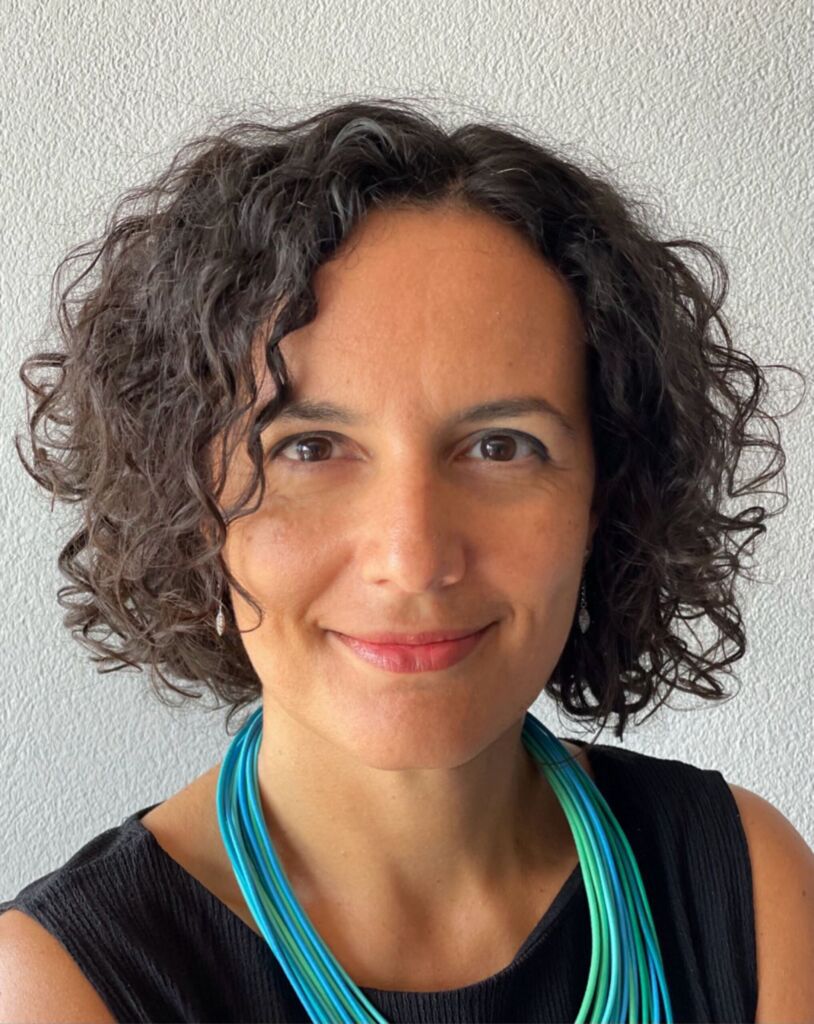
Professor Dr Paola Luciani
Professor Dr. Paola Luciani, Pharmaceutical Technology Research Group, Department of Chemistry, Biochemistry and Pharmaceutical Sciences, University of Bern, Switzerland
Paola Luciani is Full Professor of Pharmaceutical Technology at the University of Bern and Director of Studies of the Bachelor in Pharmaceutical Sciences. Before moving to Bern in 2019, she was an Associate Professor for Phospholipids in Drug Development at the University of Jena, Germany. She held research positions at the University of Florence and ETH Zurich. Paola served as Vice-President and President of the Controlled Release Society Local Chapter for Germany/Switzerland/Austria (2024-2026) and is currently Vice-President Science of the Swiss Academy of Pharmaceutical Sciences. Paola acts as external Specialist for Pharmaceutical Quality of Swissmedic (Swiss Agency for Therapeutic Products) and Expert of the NANO (Nanomedicine) Working group of the European Pharmacopoeia. She has been a member of the Scientific Advisory Council of the Phospholipid Research Center since 2019. In 2024, she co-founded the Center of Extracellular Research at the University of Bern. She serves as Editor for the International Journal of Pharmaceutics.
Her scientific contributions have earned her multiple recognitions, including an ERC Synergy Grant, the Breaking Barriers Breakthrough Award from the Controlled Release Society, and the title of Emerging Investigator from the Royal Society of Chemistry. Her research centers on the design and characterization of lipid-based delivery systems for drug delivery and diagnostics, with a focus on treatments for fibrotic and inflammatory diseases, including women’s health.
Back to Top of Page
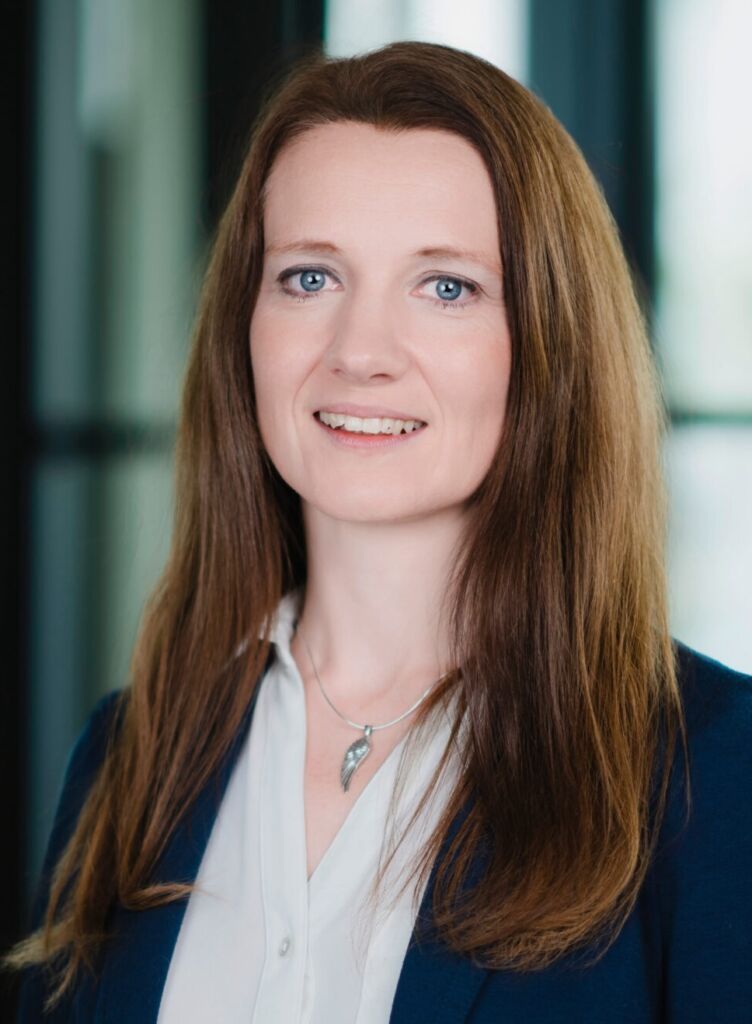
Professor Olivia Merkel
Professor Olivia Merkel, Professor and Chair of Drug Delivery, LMU Munich, Germany
Olivia Merkel has been a Professor of Drug Delivery at LMU Munich since 2015, Chair since 2022, and Vice-Director of the Department of Pharmacy since 2024. She is a Registered Pharmacist, received a MS (2006) and a PhD (2009) in Pharmaceutical Technology as well as numerous awards, including an ERC Starting Grant, ERC Proof-of-Concept Grant, and ERC Consolidator Grant, the APV Research Award and the Carl-Wilhelm-Scheele-Award. Merkel is the co-spokesperson for the BMBF Future Cluster CNAT-M and an author of over 150 articles and book chapters. She served as NIH reviewer from 2014-2015, SNSF reviewer from 2018-2022, is an Editorial Board member for JCR, EJPB, Molecular Pharmaceutics and other journals, Associate Editor for DDTR and WIREs Nanomedicine and Nanobiotechnology, was the President of the German Controlled Release Society in 2020 and the Chair of the CRS Focus Group on Transdermal and Mucosal Delivery from 2020-2022, and currently is a scientific advisory board member of Coriolis Pharma, AMW, and Corden Pharma as well as a co-founder of RNhale.
Her research focuses mainly on RNA formulation and pulmonary delivery for the treatment of a variety of lung diseases.
Back to Top of Page
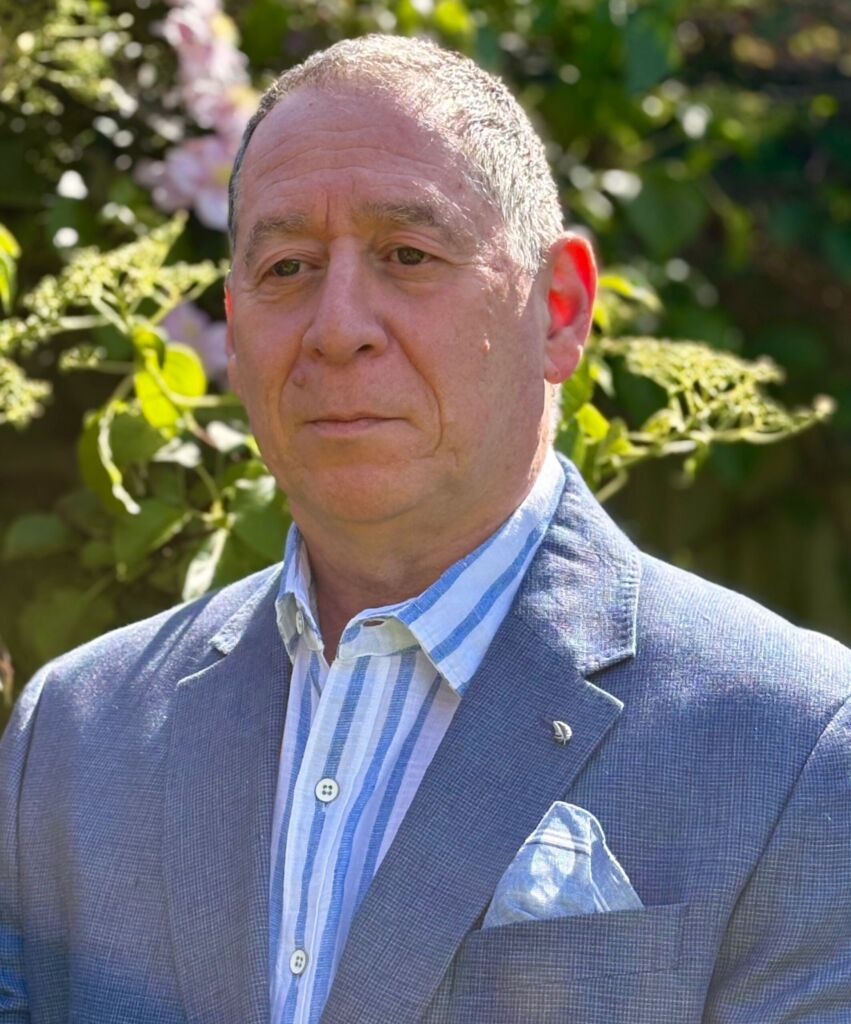
Professor Moein Moghimi
Professor Moein Moghimi, Newcastle University, UK
Moein Moghimi is a Professor of Pharmaceutics and Nanomedicine at the School of Pharmacy, Translational and Clinical Research Institute, and Centre for Biomedical Engineering at Newcastle University (UK). He also serves as an Adjoint Professor at the Skaggs School of Pharmacy and Pharmaceutical Sciences, University of Colorado Anschutz Medical Campus, USA, and Guest Professor at the China-Italy Joint Laboratory of Pharmacobiotechnology for Medical Immunomodulation, Shenzhen Institute of Advanced Technology, Chinese Academy of Sciences. He is also co-founder of three spin-offs in USA and UK, Editor-in-Chief of Drug Delivery (Taylor & Francis) and Associate Editor of Molecular Therapy (Cell Press). Prof. Moghimi is globally recognised as a leading authority in pharmaceutical nanotechnology, drug delivery and immunological safety with over 300 peer-reviewed publications and secured patents. His research has fundamentally shaped and provided crucial insights into how nanoparticles interact with the body’s defences and this knowledge has proved essential for design and engineering of immune-safe, long-circulating and target-specific nanomedicines. For the sixth consecutive year, the Stanford University-Elsevier’s “Updated Science-Wide Author Databases of Standardized Citation Indicators – Version 8” ranks Prof. Moghimi among the world’s leading 0.08% of all scientists within 22 scientific fields and places him in the top 50 scientists in the world under Pharmacology & Pharmacy Science-Metrix subfield on a career-long basis. In 2024, he received the Chinese Academy of Sciences PIFI Distinguished Scientist Award. He graduated with Honors in Biochemistry from the University of Manchester (UK) in 1985 and then completed a PhD in Biochemistry (liposome immunobiology) at Charing Cross and Westminster Medical School (Imperial College, London).
Back to Top of Page
Dr Chantal Mustoe
Dr Chantal Mustoe, Digital CMC CERSI Researcher & Training Developer, Digital CMC CERSI, UK
Chantal is a research fellow and training developer for the Digital CMC CERSI led from CMAC, University of Strathclyde to accelerate and realise the full benefit of the adoption of digital tools in regulatory submissions and inspections. With over ten years’ research experience in chemistry, machine learning and, more recently, automation in CMC, she has developed courses and workshops in interdisciplinary environments across industry, academia and government. In her role in the Digital CMC CERSI, she develops and delivers trainings for regulators, industrialists and developers on the credibility assessments of digital predictive tools in regulatory environments.
Back to Top of Page
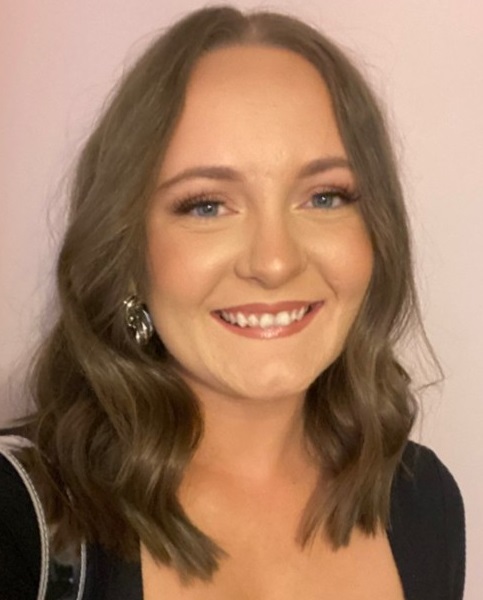
Lucy May Newman
Lucy May Newman, School of Pharmacy, Translational and Clinical Research Institute, Newcastle University, UK
Lucy is a third-year PhD candidate at Newcastle University, specialising in formulation design to enhance drug delivery through pharmaceutical cocrystals. Prior to undertaking her PhD, she gained industry experience in the pharmaceutical sector, which informs her translational approach to research. Her current work integrates solid-state chemistry, pharmaceutics and formulation science to develop strategies that streamline early-stage drug development and improve the delivery of poorly soluble medicines.
Back to Top of Page
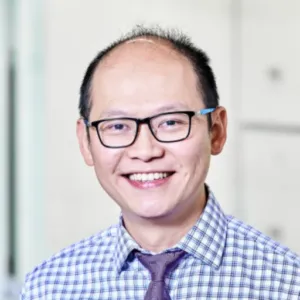
Dr Keng Wooi Ng
Dr Keng Wooi Ng, Senior Lecturer in Pharmaceutics, Postgraduate Research Coordinator, School of Pharmacy, Newcastle University, UK
Dr Keng Wooi Ng is a Senior Lecturer in Pharmaceutics whose research focuses on skin drug delivery and biosensing applications. His work combines pharmaceutical science and engineering to develop innovative technologies for therapeutic delivery and health monitoring, supporting the development of next-generation medicines.
Back to Top of Page
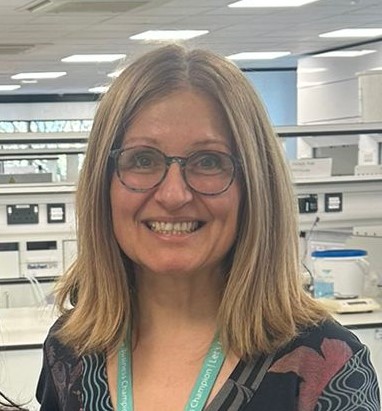
Professor Katarina Novakovic
Professor Katarina Novakovic, Newcastle University, UK
Katarina Novakovic is a Professor of Polymer Engineering at Newcastle University. She obtained a degree in Chemical Engineering from Belgrade University, after which she worked in the pharmaceutical industry at Solid Forms Plant, Hemofarm, Serbia, before obtaining a PhD from Newcastle University in the area of mathematical modelling of polymerization processes. Her research focuses on the development of technologies aimed at sustainable living, spanning from engineered polymeric materials for novel pharmaceutical formulations to technologies aimed at plastic waste reduction and management. Katarina’s research attracted many prestigious awards including EPSRC Career Acceleration Fellowship, New Directions for EPSRC Leaders Fellowship, and EPSRC Healthcare Technologies Impact Fellowship. Katarina’s role in the development of organic oscillatory reactions has been acknowledged by naming them Bruk Temkin–Gorodsky Novakovic (BT-GN) reactions, after the core contributors. In 2023 Katarina became EPSRC-WES Women in Engineering Ambassador (where WES stands for Women’s Engineering Society) and led formation of School of Engineering Women’s Engineering Network at Newcastle University. Katarina is dedicated to breaking barriers and actively promoting women in engineering, brainstorming together and shaping our engineering community.
Back to Top of Page
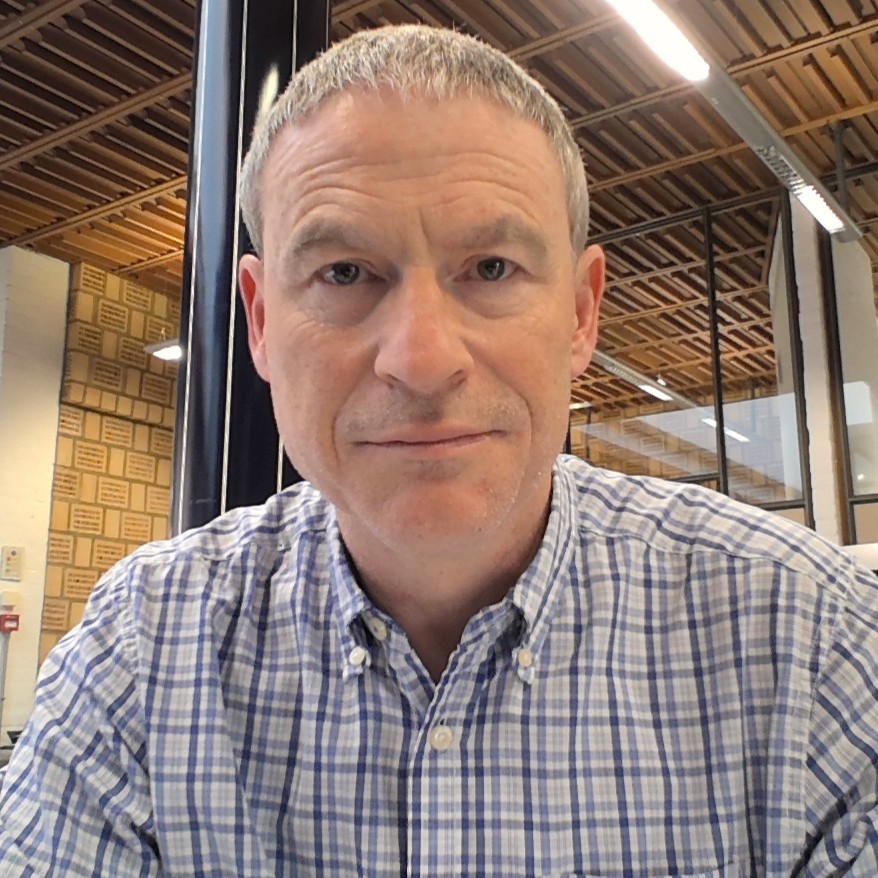
Dr Garry O’Connor
Dr Garry O’Connor, Head of Science, Cambridge Crystallographic Data Centre, UK
Garry O’Connor joined CCDC in 2024 with 25 years’ experience, having worked in the pharmaceutical industry leading teams and functions delivering pharmaceutical sciences-based solutions and outcomes of increasing complexity at all phases of development from Phase 1 to Phase 3, including commercial launch, technology transfer, and regulatory processes.
Garry has experience in leading a wide range of specialist scientific disciplines, especially within Active Pharmaceutical Ingredient development, including latterly in Materials Science extending into the API/DP interface. He is keen to create an environment and culture where CCDC’s scientists can thrive and strive to inspire and advance structural science to build a better world.
Garry holds a D.Phil in Organic Chemistry from the University of Oxford and gained his industrial experience at Zeneca, Macclesfield, and Pfizer, Sandwich, Kent.
Back to Top of Page
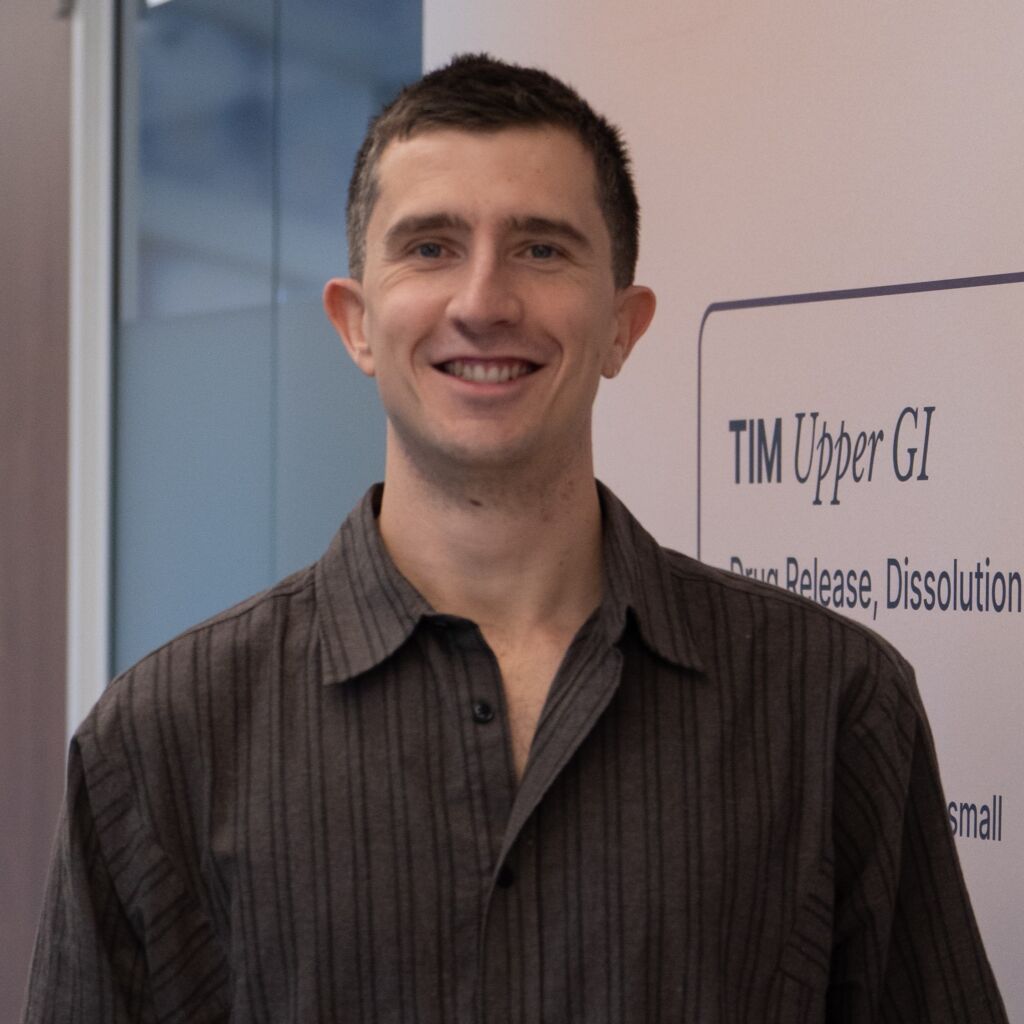
Dr Connor O’Farrell
Dr Connor O’Farrell, InnoGI Technologies, The Netherlands
Dr Connor O’Farrell is a Chemical Engineer by training with a PhD in Formulation Engineering. Connor specialises in the development and application of advanced in vitro and in silico models in biopharmaceutics and process engineering.
Back to Top of Page

Professor Olumayokun Olajide
Professor Olumayokun Olajide, Professor of Cellular & Molecular Pharmacology, School of Applied Sciences, University of Huddersfield, UK
Olumayokun (Mayo) Olajide is a Professor of Cellular & Molecular Pharmacology in the School of Applied Sciences, University of Huddersfield where he leads the ‘Drugs from Nature Targeting Inflammation’ Research Group. He completed his PhD in Pharmacology at the University of Ibadan, Nigeria. This was followed by Humboldt Postdoctoral Research Fellowships in the Center for Drug Research (Pharmaceutical Biology), Department of Pharmacy, University of Munich, and the Neurochemistry Research Laboratories, University of Freiburg Medical School, Germany. His research on the pharmacology of natural products focuses on translating indigenous knowledge to pharmacology (ethnopharmacology), conversion of agricultural and food wastes into pharmacologically active healthcare products (valorisation), cellular and molecular pharmacology of drugs from nature targeting inflammation, and pharmacological modulation of neuroinflammation with natural and synthetic compounds. Prof. Olajide is a Fellow of the Royal Society of Chemistry.
Back to Top of Page

Dr Asha Patel
Dr Asha Patel, Imperial College London, UK
Asha is Associate Professor in Advanced Therapies at Imperial College London and leads a multidisciplinary team developing RNA based technologies at the interface of pharmaceutical chemistry, biomaterials and nanomedicine. Prior to joining Imperial, Asha completed her postdoctoral training at MIT, is a pharmacist by training, and member of the Nanomedicine Steering Committee at the Academy of Pharmaceutical Sciences, GB.
Back to Top of Page
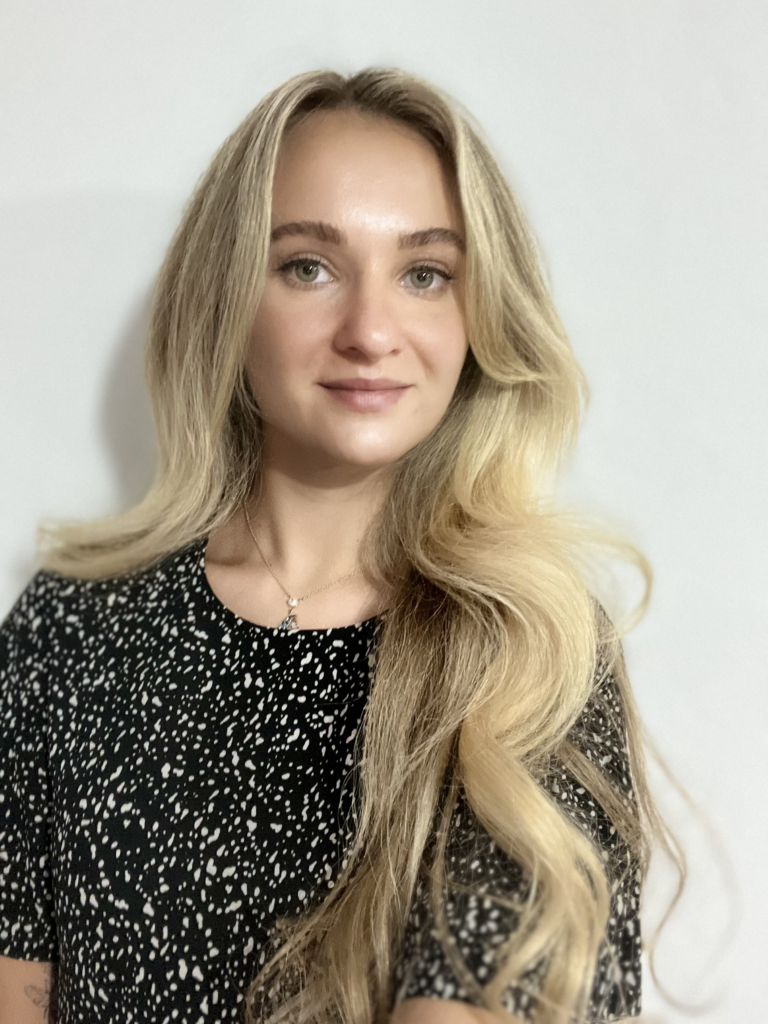
Goda Pyragaite
Goda Pyragaite, London Metropolitan University, UK
Originally from Lithuania, Goda moved to the UK to pursue her passion for science, becoming a first-generation graduate with a First-Class BSc (Hons) in Pharmaceutical Science from London Metropolitan University. Her undergraduate research integrated structure–activity relationship (SAR) analysis, computational molecular docking, organic synthesis, and biological evaluation to design quinazolinone derivatives as potential targeted anticancer agents.
Driven by strong curiosity and a commitment to continuous learning, Goda complemented her academic studies with extensive industry experience. During her placement in Respiratory Supply Chain Operational Quality at GSK, she led data-driven quality improvement initiatives, supported paperless workflow projects, and automated operational reporting through interactive dashboards, while also completing additional data analytics certifications.
She is currently completing an internship in Product Development Quality Digital Excellence at Roche, where she is gaining further experience at the intersection of pharmaceutical quality, data, and digital innovation. She will next pursue an MSc in Predictive Modelling and Scientific Computing at the University of Warwick.
Back to Top of Page
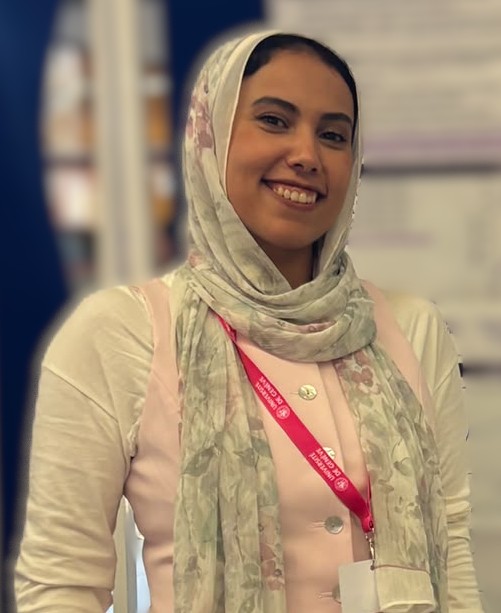
Basmala Qaysson
Basmala Qaysson, PhD Student, University College London, UK
Basmala Qaysson is a PhD student in the Department of Pharmaceutics at University College London, London, United Kingdom. Her research focuses on the development of long-acting injectable drug delivery systems for the local delivery of immune checkpoint inhibitors. Research interests include biomaterials, hydrogel-based drug delivery systems, biologics formulation, and translational approaches for cancer immunotherapy.
Back to Top of Page
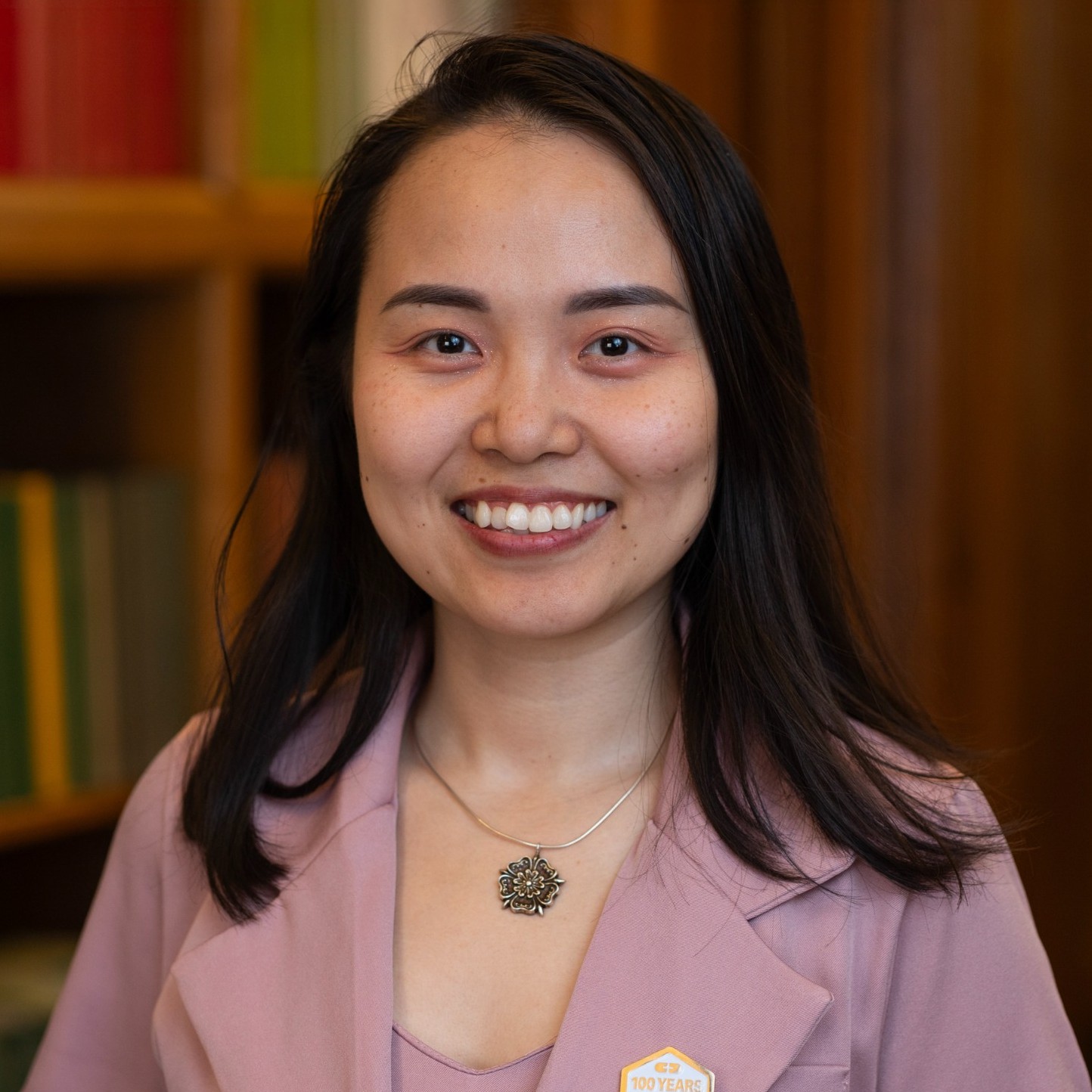
Dr Tien Thuy Quach
Dr Tien Thuy Quach, Teaching Fellow in Pharmaceutics, Aston University, UK, Communication Chair of APS Emerging Technologies Focus Group
Tien completed a Pharmacy undergraduate programme (2011-2016) at the University of Medicine and Pharmacy at Ho Chi Minh City (UMP), Vietnam. From 2016 to 2018, Tien did the internship at Asian Shine company before working as Lecturer and Dean-Assistant at Ho Chi Minh City University of Technology (HUTECH), Vietnam. After that, Tien came to the UK for higher education starting with MSc Advanced Pharmaceutical Manufacturing (2018-2019) at the University of Strathclyde and PhD in Pharmacy at the University of Nottingham from 2019 to 2024. After working as a Research Associate/Fellow and Project Manager at the University of Nottingham, Tien joined Pharmacy team at Aston University, UK (under Global Talent Visa). Tien is happy to work with other colleagues to initiate and progress more inspirational lectures, productive projects, and relevant activities to support the students’ learning and development (such as knowledge exchange, career orientation, industrial opportunities, etc). Feel free to check her LinkedIn (https://www.linkedin.com/in/tien-thuy-quach/) for more details and collaboration.
Back to Top of Page

Dr Parul Rani
Dr Parul Rani, Research Fellow, School of Pharmacy, Queen’s University Belfast, Ireland
Dr Parul Rani is a Research Fellow working with Dr Garry Laverty in the School of Pharmacy at Queen’s University Belfast. She is a medicinal chemist with interdisciplinary experience in synthetic and analytical chemistry, materials science, antibodies modification and drug delivery. Her current research focuses on developing long-acting injectable formulations for tuberculosis drug delivery.
She holds a BPharm and MPharm from Banasthali University, Jaipur, India and completed her PhD in 2024 under the supervision of Associate Professor Allan Gamble at the School of Pharmacy, University of Otago, Dunedin, New Zealand. Her PhD research focused on the development of bioorthogonal click chemistry-based hydrogels derived from peptides and polymers, as well as prodrug development for targeted cancer drug delivery.
Back to Top of Page
Dr Jeanne Rivera
Dr Jeanne Rivera, Science Lead, National Measurement Laboratory (NML) at LGC, UK
Jeanne Rivera is the Science Lead for the Cell Metrology team of NML at LGC based in Nexus, Leeds. Jeanne joined NML at LGC in April 2022 where she oversaw the laboratory design and renovation of the cell biology lab and led the management and upkeep of ISO9001 lab certification. Her role involves people and project management, project delivery of core metrology and building collaborative relationships through partnerships. Jeanne is an active participant in international metrology committees including CCQM Cell Analysis Working Group, ISO TC 276 Biotechnology: Cell Characterisation and NIST Flow Cytometry Consortium. She has also led on various commercial projects including Innovate UK: Analysis for Innovators. Jeanne is currently leading to multidisciplinary research and development focused on the measurement of cells and cell-derived particles, ensuring accurate evaluation of Critical Quality Attributes (CQAs) such as morphology, viability, potency, and extracellular vesicle profiling. Her role underpins the standardisation of methodologies, supports regulatory alignment, and advances novel technologies for cell therapy, diagnostics, and biomedical research.
Back to Top of Page

Dr Simon Roberts
Dr Simon Roberts, Controlled Release Manager, EMEA, IMCD, UK
An experienced pharmaceutical materials scientist with a career spanning academic research, pharmaceutical development and manufacturing at Abbott, and excipient sales and business development at ISP, Ashland, Barentz and ACG. Currently he has responsibility for the controlled release excipient portfolio across EMEA at IMCD, a leading global chemical distribution company.
Back to Top of Page

Chris Roe
Chris Roe, Principal Research Fellow, Scientific Consulting, Quotient Sciences, UK
Chris has over 30 years’ experience across pharmaceutical sciences and biopharmaceutics through a series of previous technical and leadership roles at Sanofi, Pfizer, AstraZeneca and Walgreens Boots Alliance. His expertise ranges from early pre-formulation and biopharmaceutical assessments, through development of a wide range of dosage forms including inhalation, topical, oral immediate and modified release formulations, to maintenance and life-cycle management of marketed products. Chris’ role at Quotient involves designing science-led, robust, clinical study programs which maximise output for clients, in addition to providing scientific support throughout study delivery.
Back to Top of Page
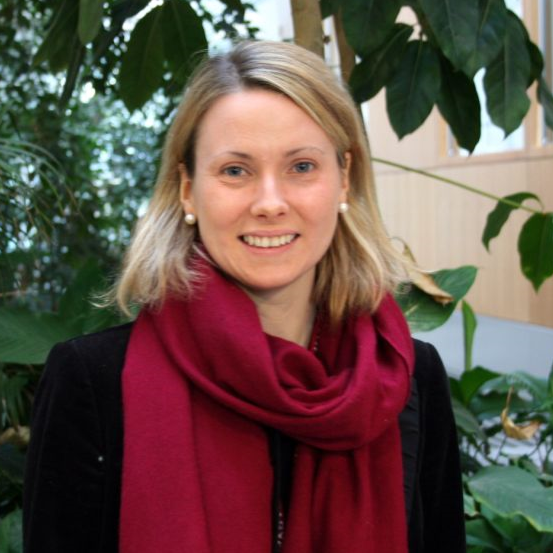
Dr Katie Ryan
Dr Katie Ryan, Senior Lecturer (Associate Professor) in Pharmaceutics, School of Pharmacy, University College Cork, Cork, Irleand
Dr Katie Ryan is a Senior Lecturer (Associate Professor) in Pharmaceutics at the School of Pharmacy, University College Cork. A qualified pharmacist, she holds a BSc (Pharm), PhD in Pharmaceutics, and a Postgraduate Diploma in Quality Improvement from Trinity College Dublin, as well as a Master’s in Teaching and Learning from UCC. She is a past President of the United Kingdom and Ireland Controlled Release Society (UKICRS) and current management committee member for the IMPROVE COST action network focused on improving the quality of biomedical science with 3Rs concepts. Her research is translational, involving collaborations with industry in pharmaceutical formulation and combination medical device development. She has secured over €1.2 million in research funding from Research Ireland (formerly SFI), Enterprise Ireland and industry partners. She is also a funded investigator within the RINN Pharma & Biopharma centre. Her research focuses on the formulation and processing of challenging therapeutic agents, including proteins and poorly soluble drugs, for applications in drug delivery, medical devices and tissue regeneration. Current projects are investigating clinically relevant in vitro 3D models, pulmonary delivery of RNA therapeutics and implants for the management of posterior ocular diseases.
Back to Top of Page
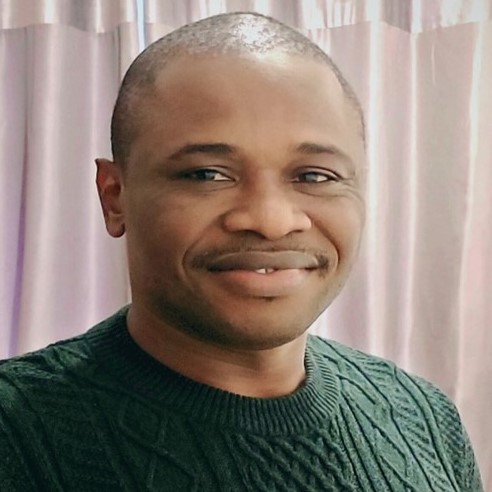
Foday Samura
Foday Samura, University of Greenwich, UK
Foday, Edward Samura holds a bachelor’s degree with Honors in Pharmaceutical Science from the University of Greenwich. He is currently studying for an MSc in Data Science and its Application to Medicine from the University of Greenwich. Foday works with the Outreach and Educational Partnerships Team at the University of Greenwich as an Outreach Ambassador. He works closely with schools and further education colleges to support their students directly in taking the next step, wherever that may take them. Foday is a student member of the APS and a member of the New Scientist Focus Group committee. Foday is passionate about a career in drug research and data science in the pharmaceutical industry.
Back to Top of Page

Professor Dr Hélder A. Santos
Professor Dr Hélder A. Santos (D.Sc. Chem. Eng.), Head of the Department of Biomaterials and Biomedical Technology and Head of the Translational Bionanomicro Theragenerative Medicine Lab, University Medical Center Groningen, University of Groningen, The Netherlands
Prof. Santos (D.Sc. Tech., Chem. Eng.) is a Full Professor and Chair in Biomedical Engineering, and the Head of the Department of Biomaterials and Biomedical Technology, University Medical Center Groningen, University of Groningen. He was also a former Full Professor and Head of Division of Pharmaceutical Chemistry and Technology at the University of Helsinki, Faculty of Pharmacy. Prof. Santos is also the co-founder of the startups Capsamedix Oy and Medixmicro Oy, and was the Coordinator of a large MSCA-ITN P4 FIT network in tendon repair (~ 4.1 m€). He holds an Honorary Adjunct Fellow at the University of Technology Sydney, and held previously Visiting Professorships at the Shanghai Jiao Tong University School of Medicine and University of Tartu. Prof. Santos research interests include the development of nanoparticles/nanomedicines and biomaterials for biomedical applications, particularly cancer and heart diseases. Currently, he (co)-supervises +30 PhD students and 5 MSCA-postdoctoral fellowships. His lab makes the unique bridge between medical engineering, pharmaceutical nanotechnology, and tissue engineering by combining unique techniques to develop novel therapeutic formulations for translation into the clinic. He is co-author of more than +650 publications (+35000 citations; h-index = 106) and 8 patents. He has +300 invited talks around the world. He has (co-)supervised +50 PhD students and +40 postdocs. His former lab members +10 are know well established professors around the world. He is also in Editorial board member of Advanced Healthcare Materials, Advanced Therapeutics, Journal of Controlled Release, VIEW, Journal of Functional Materials, Precision Nanomedicine, Biomedical Technology, Smart Medicine, among many others. He is Associate Editor of Nano Select, and Drug Delivery and Translational Research, among others. Prof. Santos has received prestigious honours, awards and grants, such as the “Talent Prize in Science” in 2010 attributed by the Portuguese Government, the European Research Council Starting Grant in 2013, the European Research Council Proof-of-Concept Grant in 2018, the Young Researcher Award in 2013 attributed by the University of Helsinki, the Academy of Finland Award for Social Impact in 2016, the Controlled Release Society Young Investigator Award 2021, and the APV Research Award for Outstanding Achievements in Pharmaceutical Sciences 2026. Altogether, Prof. Santos has secured, since 2009, +35 research grants nationally and internationally worth of +25 M€.
Back to Top of Page
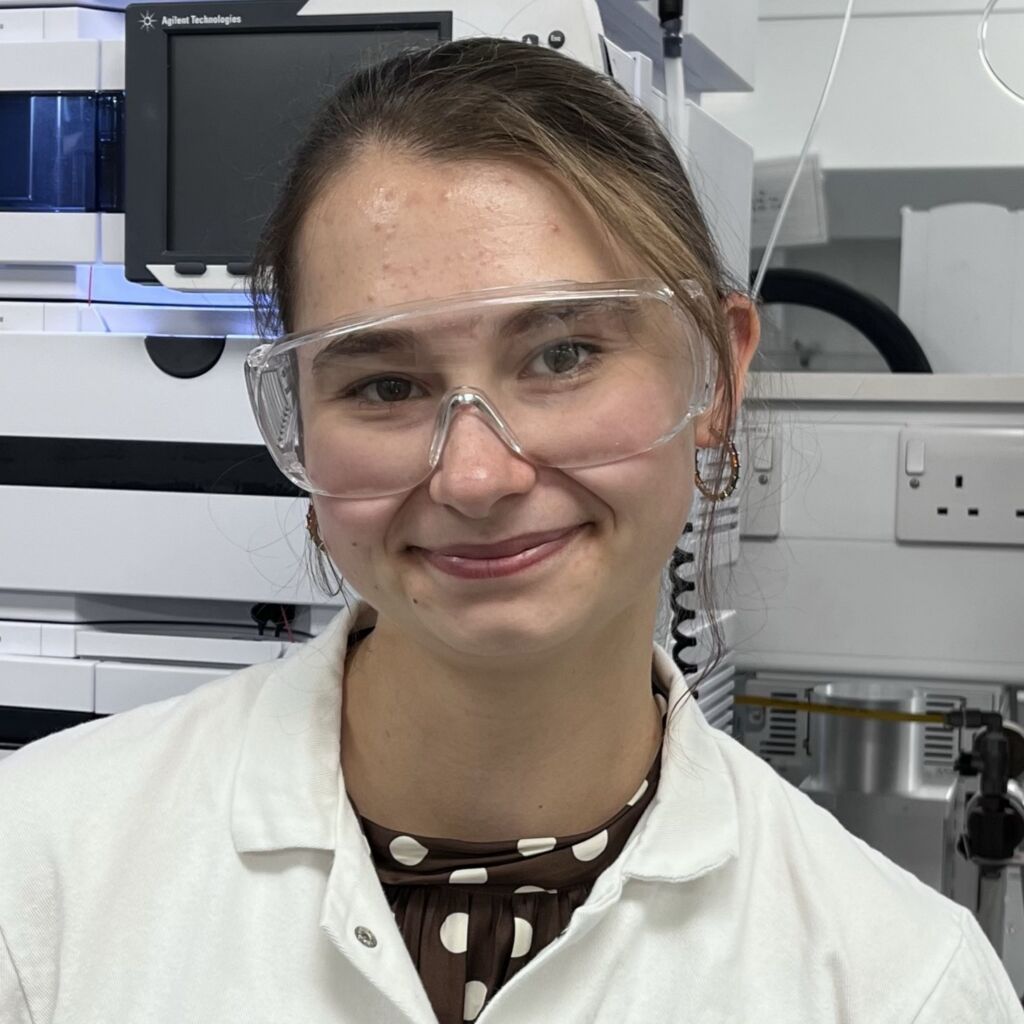
Lucy Smith
Miss Lucy Smith, Pharmaron, UK
Lucy Smith is an early-career scientist in the Drug Substance group at Pharmaron Ltd, based in Hoddesdon. She holds a Master’s degree in Chemistry, including a Year in Industry, from the University of York.
During her studies, Lucy undertook several research projects, including investigating low-field NMR and MRI techniques, as well as developing an integrated chiral screening workflow to optimise the analysis of chiral active pharmaceutical ingredients (APIs) during her industrial placement at Pharmaron.
Following the completion of her degree, Lucy joined Pharmaron full-time, where she has continued to strengthen the department’s analytical capabilities. Over the past year, she has successfully led the delivery of both GMP and non-GMP projects, encompassing method development, analytical testing, and cross-functional coordination to support project milestones and client deliverables.
Back to Top of Page
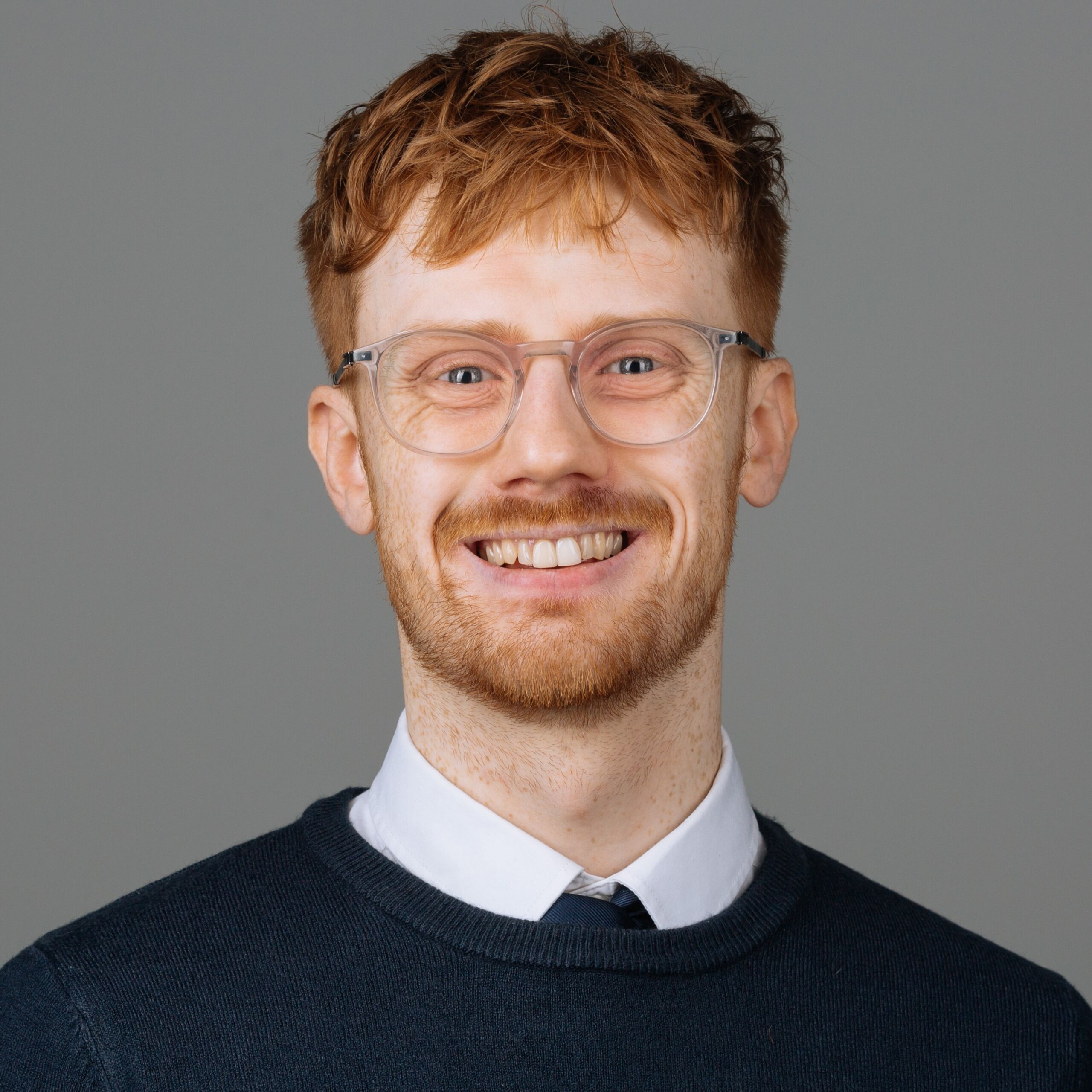
Dr Kyle Stockdale Stanforth, Scientific Operations Manager, Aelius Biotech, UK
Dr Kyle Stockdale-Stanforth is the Scientific Operations Manager at Aelius Biotech. A gastrointestinal physiologist by training, Kyle completed his PhD at Newcastle University in 2023, focusing on the development and qualification of the Aelius Biotech MuCo Absorb model for predicting oral drug absorption under physiologically relevant conditions. This research involved the incorporation of a novel biocompatible mucin gel into the established Caco-2 system, enabling the integration of digestion, mucus permeation and absorption within a single platform. In their current role, Kyle leads the development, application and implementation of the Aelius Biotech MuCo platform of human-relevant in vitro gut models, supporting pharmaceutical research and development through more predictive approaches to assessing oral drug performance.
Back to Top of Page
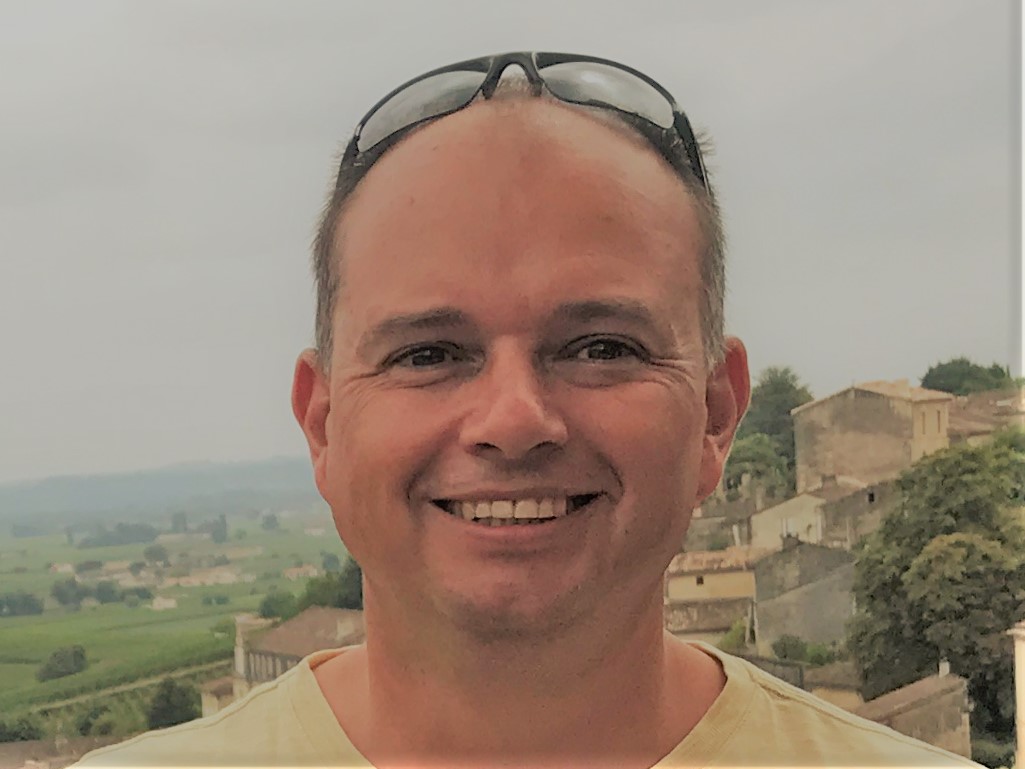
Dr Jason Teckoe
Dr Jason Teckoe, Director of Film Coating Technical Strategy, Colorcon Limited, UK
Dr Jason Teckoe recently took on the role of Director of Film Coating Technical Strategy at Colorcon, where he leads global technical initiatives to advance film coating technologies for solid oral dosage forms. Since joining Colorcon in 2007, he has held senior technical and leadership roles across Europe and the United States, driving innovation in pharmaceutical coatings and excipients.
During his time in the US, Dr Teckoe led new product development programs that delivered a portfolio of immediate, delayed, and extended-release film coating systems. Returning to the UK in 2017, he served as Technical Director for EMEA, strengthening scientific leadership, expanding academic collaborations, and enhancing customer engagement across a diverse regional landscape.
A Chartered Chemist with a PhD in Polymer Physics, Dr Teckoe brings over 25 years of experience in formulation development and advanced film coating design. He is passionate about translating material science and digital innovation into practical solutions that enhance drug delivery, improve manufacturing efficiency, and ultimately provide better patient outcomes.
Back to Top of Page

Dr Thomas Thompson
Dr Thomas Thompson, Illuminate Pharmacy Fellow, School of Pharmacy, Queen’s University Belfast, Ireland
Thomas Thompson is an Illuminate Pharmacy Fellow in the School of Pharmacy at Queen’s University Belfast, where he leads a research programme on antibiotic tolerance in Staphylococcus aureus prosthetic joint infection. His work uses synthetic synovial fluid models and isothermal microcalorimetry to understand why infections caused by susceptible organisms fail to respond to treatment. He is a registered pharmacist, a Junior Editor for Letters in Applied Microbiology, and holds the inaugural John Snow Prize from Applied Microbiology International.
Back to Top of Page
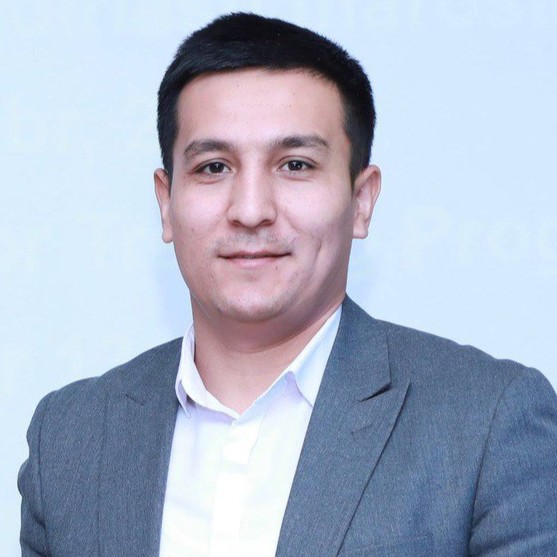
Mirjalol Uktamov
Mirjalol Uktamov, PhD Researcher, School of Pharmacy, Queen’s University Belfast, Ireland
Mirjalol Uktamov holds a BSc in Industrial Pharmacy from Tashkent Pharmaceutical Institute, Uzbekistan, and an MSc in Drug Discovery and Development from the University of Sunderland, UK. Since 2024, he has been pursuing a PhD at Queen’s University Belfast, where his research focuses on transdermal drug delivery using microneedle-based delivery systems. His research interests are particularly centred on the delivery of proteins and peptides, with an emphasis on developing and characterising microneedle platforms for minimally invasive drug delivery.
Back to Top of Page
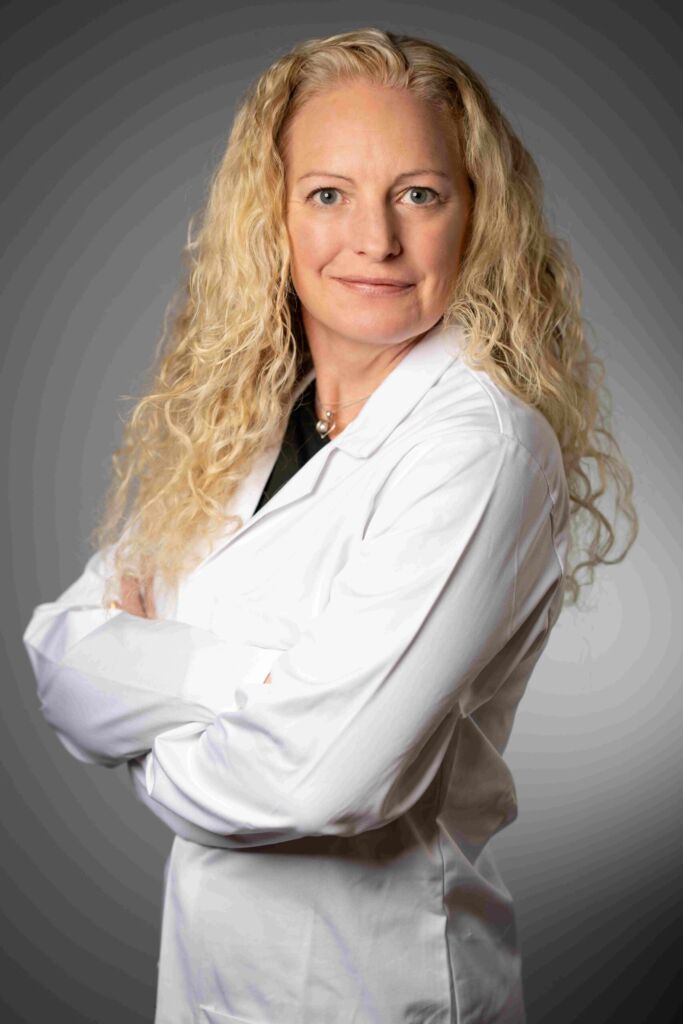
Professor Laura Waters
Professor Laura Waters, University of Huddersfield, UK
Laura is Professor of Pharmaceutical Analysis within the School of Applied Sciences and currently Strategic Lead (Associate Dean) for Research and Enterprise. Laura is heavily involved in the Royal Society of Chemistry and a current member of the JPAG committee.
Laura has an active research group investigating phenomena at the interface of chemistry and pharmaceutics, developing analytical techniques, characterising chemical interactions and enhancing formulations, all funded through external sources. Her work in the area of public engagement includes public lectures and media presentations and she has appeared on BBC1, BBC2, BBC3, Sky, Radio 3, Channel 4 and Channel 5.
Back to Top of Page
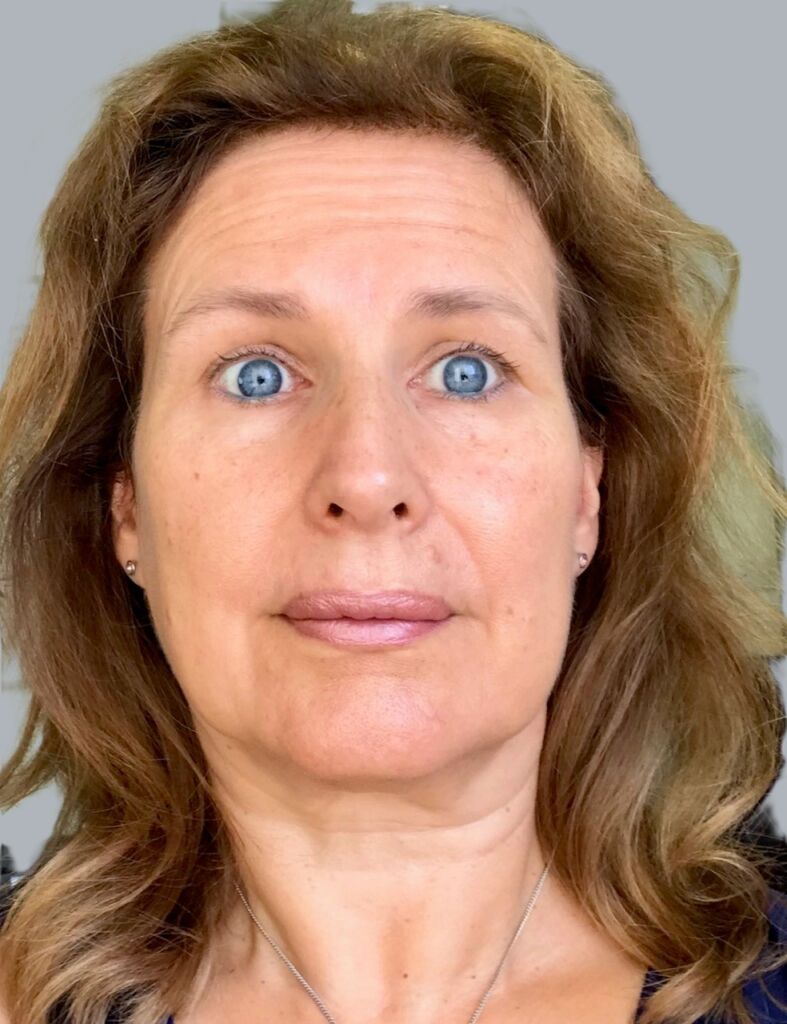
Dr Gail Whiting
Dr Gail Whiting, Medicines and Healthcare products Regulatory Agency (MHRA), UK
Gail Whiting is a Principal Scientist in Proteomics and Mass Spectrometry at the Medicines and Healthcare products Regulatory Agency (MHRA). Her role involves development of mass spectrometry techniques for the analysis of biological medicines such as vaccines and biotherapeutic products, particularly quantitative approaches for the mass assignment of biological reference standards. Gail Whiting holds a PhD in Molecular Microbiology from University College London. Her post-doctoral studies at University College Medical School and at the National Institute for Biological Standards and Control (NIBSC) focused on microbial pathogenicity.
Back to Top of Page
MoMo Zandieh
MoMo Zandieh, Leverhulme Early Career Fellow, Department of Chemistry, Institute for Structural and Molecular Biology, University College London, UK
MoMo Zandieh earned his MSc in Biotechnology Engineering from Sharif University of Technology, Iran, before completing his PhD in Chemistry at the University of Waterloo, Canada, in 2023. He then joined the laboratory of Stefan Howorka at University College London (UCL) as a Research Fellow. In September 2026, he will begin his independent research career as a Leverhulme Early Career Fellow in the Department of Chemistry at UCL.
His research sits at the interface of environmental nanoscience, DNA nanotechnology, and biological systems. During his doctoral and postdoctoral work, he developed innovative molecular approaches to study nanomaterials, including the discovery of plastic-binding DNA aptamers. At UCL, he has broadened his research into membrane biophysics and cellular systems.
By integrating concepts from chemistry, nanotechnology, and biology, his work aims to create molecular tools that address fundamental questions at the boundary between synthetic materials and living systems.
Back to Top of Page
Dr Mischa Zelzer
Dr Mischa Zelzer, Associate Professor, School of Pharmacy, University of Nottingham, UK
Mischa Zelzer is an Associate Professor in the School of Pharmacy at the University of Nottingham, where his research sits at the intersection of predictive modelling and experimental pharmaceutical science. His group develops machine learning workflows, kinetics models, and data-driven approaches to understand and predict how material properties affect pharmaceutical performance. The overarching goal is to reduce the experimental burden of drug development through explainable, actionable predictive tools. Mischa’s work spans nanomedicines, lipid-based formulations, oral dosage forms, microneedles, and oligonucleotide-based therapeutics.
Mischa holds a Diplomingenieur in Chemistry from Graz University of Technology, a PhD in Material and Surface Science from the University of Nottingham, and an MRes in Bioinformatics, also from Nottingham. He has secured over £16M in external research funding, published more than 45 research articles, and leads the computational agenda for the EPSRC Centre for Doctoral Training in Accelerated Medicines Design and Development (AMDD). He is the inaugural recipient of the UKSAF Vickerman Prize and a 2026 recipient of the RSC Inspirational Committee Award.
Back to Top of Page
Yucheng Zhu
Yucheng Zhu, PhD Student, School of Pharmacy, Queen’s University Belfast, UK
Yucheng Zhu is a PhD student at the School of Pharmacy, Queen’s University Belfast. His research focuses on the development of high-throughput approaches for liposome formulation screening and the characterisation of nanoparticle diffusion in complex biological environments. His work integrates single-particle tracking using TIRF microscopy with machine learning to support data-driven formulation optimisation.
Back to Top of Page
If you have any questions please send us an email to info@apsgb.co.uk and one of our team will come back to you.